The First 48 Hours: How to Protect Your Personal Injury Claim

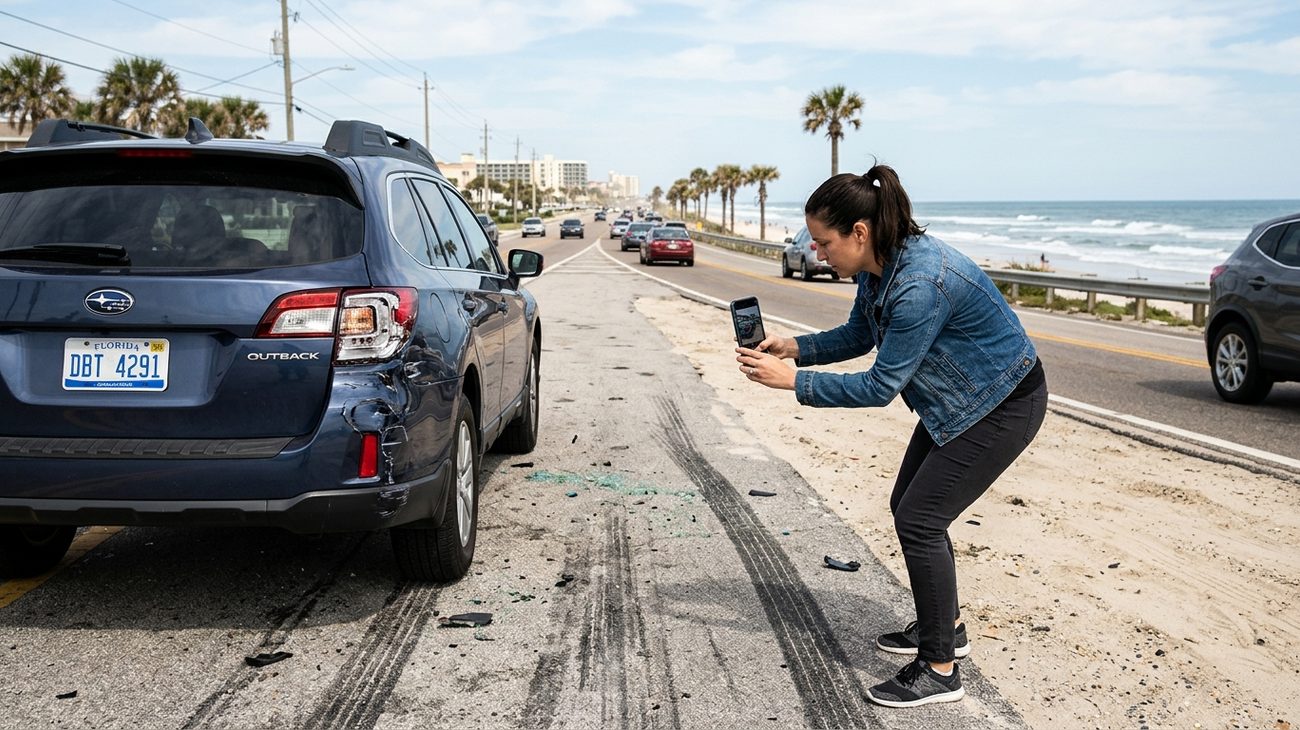
Image generated by AI / Timely documentation and medical evaluations in the initial 48 hours preserve vital evidence for personal injury claims.
On the roads in and around Daytona Beach, crashes are a daily reality. Volusia County, ranked as one of the deadliest counties in the country, averages close to 28 traffic accidents every day. If you’re in one of them, the clock starts the moment the dust settles.
What you do in the first 48 hours after an injury can quietly make or break your claim. Evidence is freshest right away, memories are sharpest, and early mistakes are the hardest ones to undo later.
The good news is that protecting yourself isn’t complicated, just time-sensitive. Local counsel like Rue & Ziffra consistently report that claims go much smoother when victims get these early steps right. Here’s what to focus on while it still counts.
| Time Window | Priority Action Item | Critical Legal & Insurance Purpose |
|---|---|---|
| Hours 0 – 2 | Call emergency services, file a police report, and photograph vehicle damage and skid marks | Establishes neutral third-party documentation of the scene before vehicles are moved |
| Hours 2 – 24 | Undergo professional medical evaluation at an urgent care or emergency room | Connects bodily symptoms directly to the collision; satisfies Florida's 14-day PIP window |
| Hours 12 – 36 | Exchange credentials, record eyewitness contacts, and start a written symptom diary | Preserves perishable eyewitness testimony and logs subjective daily recovery challenges |
| Hours 24 – 48 | Notify your auto insurance carrier of the crash without providing recorded statements | Complies with mandatory policy reporting requirements while guarding against premature releases |
See a Doctor Right Away, Not “Later”
This is the single most important step, so start here. Get checked by a medical professional as soon as you can, even if you feel fine.
Adrenaline is a master at hiding pain, and injuries like whiplash or a concussion can take a day or two to surface. A prompt visit also ties your injury directly to the accident, which insurers love to dispute. In Florida, there’s an added reason to hurry: under the state’s no-fault rules, you generally must get initial care within 14 days of a crash to use your Personal Injury Protection benefits. Wait too long, and you can lose that coverage entirely.
Call It In and Get It on Record
Next, make the incident official. An unreported injury is an easy target for doubt.
For a car crash, call the police and make sure a report gets filed. If you fall or are injured on someone’s property, report it to the owner or manager and request a written incident report. That official document serves as a neutral anchor for your story, and getting it created early is much easier than trying to reconstruct events weeks later. In Florida, you can usually pull the official crash report online a few days afterward.
Document Everything While It’s Fresh
Your phone is one of your best tools in these first hours. Take photos and video of everything: the vehicles, the damage, the hazard that hurt you, the surrounding scene, and your injuries. Note the other party’s name, contact, and insurance details. Grab names and numbers from any witnesses before they scatter. Memories fade and scenes get cleaned up fast, so capture it all now, while it’s still there.
Start Writing It All Down
Beyond the scene photos, begin a simple record of your own. Day one is the time to start this.
Jot down how you feel each day: your pain level, symptoms, appointments, missed work, and everyday things you can no longer do. Keep every bill, receipt, and piece of correspondence together in one folder. Memory gets fuzzy within weeks, and a steady, dated record becomes crucial when it’s time to show how the injury actually affected your life.
Don’t Hand the Other Side Ammunition
Be careful with your words in these early days. A few careless comments can cause problems later.
Don’t apologize or admit fault at the scene, even reflexively. Stick to the plain facts when you talk to police. And be very cautious if the other driver’s insurer calls asking for a recorded statement, since you’re generally not required to give one. Also, stay off social media, because a cheerful post can be twisted to suggest you’re not really hurt.
Notify, but Don’t Sign or Settle
You do need to loop in your own insurance company, usually right away, since most policies require it. Just be careful how far you go.
Report the basic facts, but don’t let the first 48 hours pressure you into signing anything or accepting a quick payout. Early offers are often lowball offers, made before anyone knows the full extent of your injuries. You can’t reopen a claim once you’ve signed it away.
Laying the Strongest Foundation for Your Injury Claim
The first two days after an injury are a narrow, high-stakes window. Get medical care, report the incident, document the scene, guard your words, and resist any rush to settle. None of it requires a law degree, just quick, deliberate action while the evidence and your options are still available. Handle those first 48 hours well, and you give your claim the strongest possible foundation.
Related Travel Guides
How Can You Prepare for an Initial Personal Injury Lawyer Consultation?
This article is for informational purposes. Flight routes, passenger regulations, visa rules, and transit advisories are subject to change by airlines and aviation authorities. Readers are advised to verify schedules and travel documentation with relevant carriers and border agencies before departure.
Related Stories
How Can You Prepare for an Initial Personal Injury Lawyer Consultation?
Car Accident Evidence to Preserve in the First 72 Hours