Who May Be Responsible When a Commercial Truck Causes a Crash?

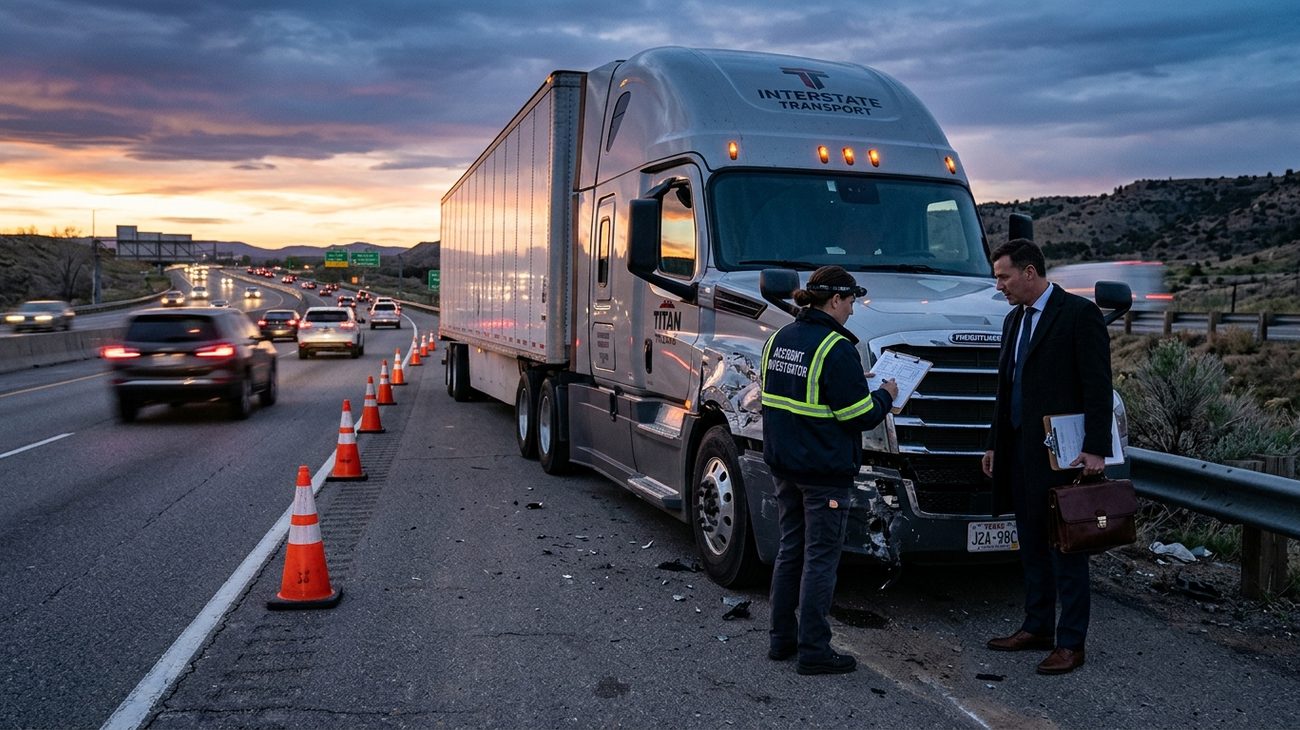
Image generated by AI / Multi-party investigations determine commercial vehicle liability across drivers, motor carriers, and third-party contractors.
A big-rig crash on an Arkansas highway can leave a driver wondering who is actually responsible. The truck may have one name on the door, another company in the paperwork, and several businesses connected to its cargo or operation. In Arkansas, FMCSA recorded 2,621 crashes involving large trucks and buses in 2024, resulting in 80 deaths and 1,274 injuries. Those numbers explain a lot about why a bad truck wreck may need a closer look at everyone involved.
When responsibility is not obvious, a truck accident lawyer can examine the people and businesses connected to the truck, its driver, and the shipment. The goal is not to blame every company in sight. It is to find out which parties may have contributed to the crash.
| Potentially Liable Entity | Scope of Duty and Regulatory Obligations | Critical Evidence to Review |
|---|---|---|
| Commercial Truck Driver | Safe vehicle operation, hours-of-service compliance, pre-trip vehicle checks | Electronic Logging Device (ELD) data, toxicology reports, dashcam footage, driver logbooks |
| Motor Carrier / Trucking Company | Driver hiring, road testing, ongoing safety training, dispatch scheduling | Driver Qualification Files (DQF), internal safety audits, dispatch time records |
| Truck Owner / Equipment Lessor | Providing roadworthy tractors and trailers compliant with federal safety standards | Equipment lease agreements, title and registration papers, interchange contracts |
| Cargo Loading Contractor | Complying with FMCSA securement rules, balancing cargo weight, verifying tie-downs | Bills of lading, weigh station scale tickets, loading dock surveillance, cargo manifests |
| Maintenance & Repair Facility | Executing certified brake, tire, steering, and powertrain repairs | Work orders, component inspection logs, diagnostic readouts, maintenance receipts |
The Truck Driver: Driver Qualifications and Behavioral Fault
The driver is one obvious place to start. A driver may be responsible when unsafe driving causes a collision, such as speeding, following too closely, making an unsafe turn, or driving while distracted or impaired.
There also could be questions about whether the driver was properly qualified and followed federal safety rules. Just because someone is driving the truck does not necessarily mean they are legally responsible for every accident involving it.
The Trucking Company: Motor Carrier Oversight and Operational Policies
The carrier operating the truck may have its own responsibilities. The company may have had something to do with hiring, training, supervision, scheduling, or the way the vehicle was being used.
Federal rules require motor carriers to ensure that drivers follow applicable regulations. Investigators may therefore need to look at company records and policies instead of stopping with the driver's statement.
Arkansas law provides for comparing the fault of people or entities that contributed to an injury. The statute allows a fact finder to consider the conduct of other persons or entities when assigning percentages of fault.
Vehicle Ownership vs. Operating Authority: Leasing Complexities
A truck can belong to one business while another company operates it. Leasing arrangements can make the picture more complicated.
Ownership papers, registration information, and lease agreements may help establish who controlled the vehicle at the time of the crash. They may also clarify each party’s responsibilities.
Cargo Loading Entities: Securement Violations and Weight Imbalance
Cargo can be another piece of the puzzle. A poorly distributed, shifted, or improperly secured load can impact how a truck handles on the road.
Federal regulations address loading and securement requirements for commercial motor vehicles. When cargo appears to have played a role, investigators may need to ask who loaded it, who secured it, and who was expected to catch a problem before leaving.
Maintenance and Repair Facilities: Mechanical Failure Liabilities
A separate repair shop can matter when a mechanical issue is part of the crash investigation. The shop is not automatically at fault because it worked on the truck. The real question is whether the repair work, or a failure to perform needed work, contributed to the collision.
This can be relevant when a vehicle recently underwent repairs or inspections involving a component connected to the crash.
Shared Liability and Arkansas Comparative Fault Principles
Sometimes the answer is not one person or company. A driver could make a poor decision while the carrier failed to address a separate safety problem. A cargo company could also have made an error.
Arkansas's comparative-fault statute says damages can be reduced based on a claimant's own percentage of fault when the legal requirements are met. It also says that a claimant whose fault is equal to or greater than the fault of the parties from whom recovery is sought is not entitled to recover those damages.
That makes it useful to identify all potentially relevant parties early, rather than assuming the driver is the entire story.
Putting the Pieces Together: Building an Evidentiary Chain
A truck crash investigation can involve driver records, employment documents, leases, cargo paperwork, inspection reports, photographs, witness accounts, and the crash report. Each record answers a different question.
Finding a company connected to the truck does not prove that it caused the accident. The important step is connecting that party's conduct to what happened.
For an Arkansas family dealing with a serious commercial truck collision, that broader review can reveal a side of the crash that is easy to miss. The person who was driving may be part of the explanation, but sometimes responsibility reaches much further down the chain.
Related Travel Guides
How Hiring a Car Accident Attorney Near Me Las Vegas Maximizes Your Compensation
Why Victims of Car Accidents Seek a North Las Vegas Personal Injury Lawyer
Arkansas Commercial Vehicle Safety Regulations and Accident Liability Guide 2027
This article is for informational purposes. Flight routes, passenger regulations, visa rules, and transit advisories are subject to change by airlines and aviation authorities. Readers are advised to verify schedules and travel documentation with relevant carriers and border agencies before departure.
Related Stories
Damages Recoverable in a Texas Personal Injury Lawsuit
How Personal Injury Lawyers Evaluate Liability After Accidents