
Thailand Tourism Momentum: High-Season Arrivals and Global Events Drive Growth
Despite a temporary 2.9% drop in foreign arrivals between January 1 and August 8, 2026, Thailand's tourism sector prepares for a strong final quarter.

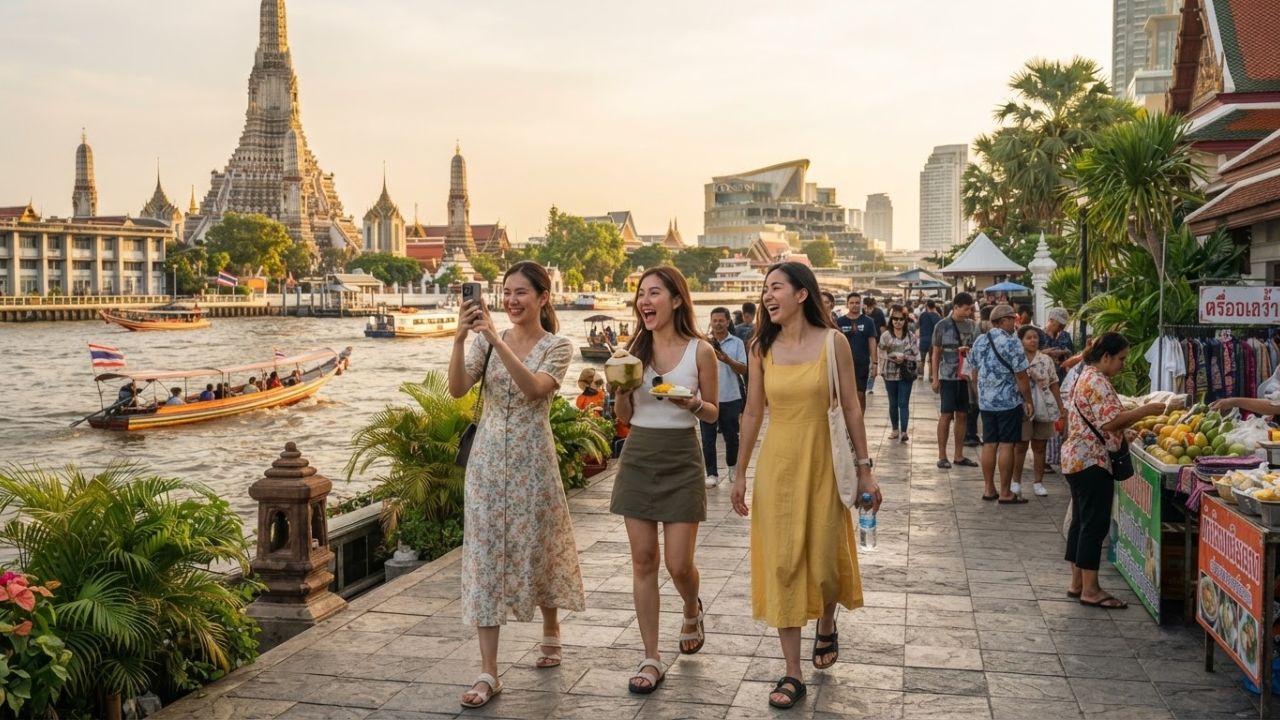
Image generated by AI
Despite a temporary 2.9% drop in foreign arrivals between January 1 and August 8, 2026, Thailand's tourism sector is preparing for a strong final quarter powered by global events and peak-season demand.
Flight Bookings and High-Season Target Markets
International arrivals in Thailand experienced a minor decline of 2.9% during the period from January 1 to August 8, 2026, compared to the previous year. However, the Ministry of Tourism and Sports (MoTS) projects a positive shift for the final quarter, supported by seasonal demand from Europe and the Middle East during the cooler winter months.
The Tourism Authority of Thailand (TAT) is focusing on promotional flight campaigns and lower airfares to attract regional and long-haul travelers who delayed travel earlier in the year due to high transit costs.
Global Conventions and Festivals in Late 2026
A primary driver of the year-end recovery is the hosting of major international gatherings. Bangkok will host the IMF-World Bank Annual Meetings, drawing corporate and governmental travelers.
Additionally, the entertainment sector will receive a boost with the staging of Tomorrowland Thailand, marking the electronic music festival's first Asian edition. These events support the hospitality, transport, and dining sectors, extending stays and increasing tourist spending.
Sourcing Local Culture: Beyond Beach Tourism
While islands like Phuket, Koh Samui, and Krabi remain popular for luxury resorts and marine tourism, the TAT is promoting alternative segments, including wellness retreats, adventure travel, and community-based tourism.
Sourcing food from local markets, booking stays at village homestays in Chiang Mai, and hiring local guides at historic sites like the Grand Palace and Wat Arun help distribute tourism spending directly to local communities. Ethical sanctuaries monitored by the Department of National Parks, Wildlife and Plant Conservation (DNP) offer sustainable animal interaction alternatives.
Regional Competition and Market Adaptations
Thailand faces competition from neighboring Southeast Asian nations, including Vietnam, Malaysia, and Indonesia, which have introduced visa relaxations and updated tourist infrastructure.
While Chinese and Malaysian arrivals have faced economic fluctuations, the Thai government is targeting high-value segments, including digital nomads, health tourists, and luxury travelers, to build a resilient tourism economy.
Local Insider Travel Strategies
- Optimal Weather Windows: Visit northern regions like Chiang Mai between November and February to enjoy cooler temperatures (around 15°C to 25°C) and avoid the burning season in March and April.
- Respect Sacred Protocol: When visiting temples like Wat Arun or Wat Phra Kaew, dress modestly with shoulders and knees covered, and remove shoes before entering prayer halls. Avoid pointing the soles of your feet at Buddha images or local residents.
- Savor Local Culinary Specialties: Try Khao Soi (a coconut curry noodle soup) in Chiang Mai, Som Tum (spicy green papaya salad) at Bangkok street food stalls, and fresh grilled seafood in Krabi.
- Support Ethical Tourism: Support certified elephant sanctuaries that prohibit riding, ensuring your tourism dollars fund conservation and animal welfare.
- Under-the-Radar Beach Escapes: Skip the crowded beaches of Phuket and take a ferry to Koh Lanta or explore the quiet sands of Koh Kood near the Cambodian border.
Long-Term Outlook for Thai Tourism
The transition toward high-value, experience-focused travel represents a permanent change in Thailand's hospitality model. By utilizing global events, promoting regional heritage, and prioritizing environmental conservation, the country aims to establish a balanced and sustainable tourism sector that supports year-round economic growth.
Related Travel Guides
Disclaimer
This article is for informational and educational purposes only. It does not constitute legal, financial, or professional advice. While we strive to provide accurate and up-to-date information, travel policies, regulations, and conditions change rapidly. Always verify information with official sources before making travel decisions. Nomad Lawyer makes no representations about the accuracy, reliability, completeness, or suitability of the information provided. Readers should consult qualified professionals for advice specific to their circumstances. The views expressed in this article are those of the author and do not necessarily reflect the views of Nomad Lawyer.
Raushan Kumar
Founder & Lead Developer
Full-stack developer with 11+ years of experience and a passionate traveller. Raushan built Nomad Lawyer from the ground up with a vision to create the best travel and law experience on the web.
Learn more about our team →