Bohol Secures UNESCO Green Card Anew: Philippines’ Only Global Geopark Reaffirms Sustainable Tourism Leadership

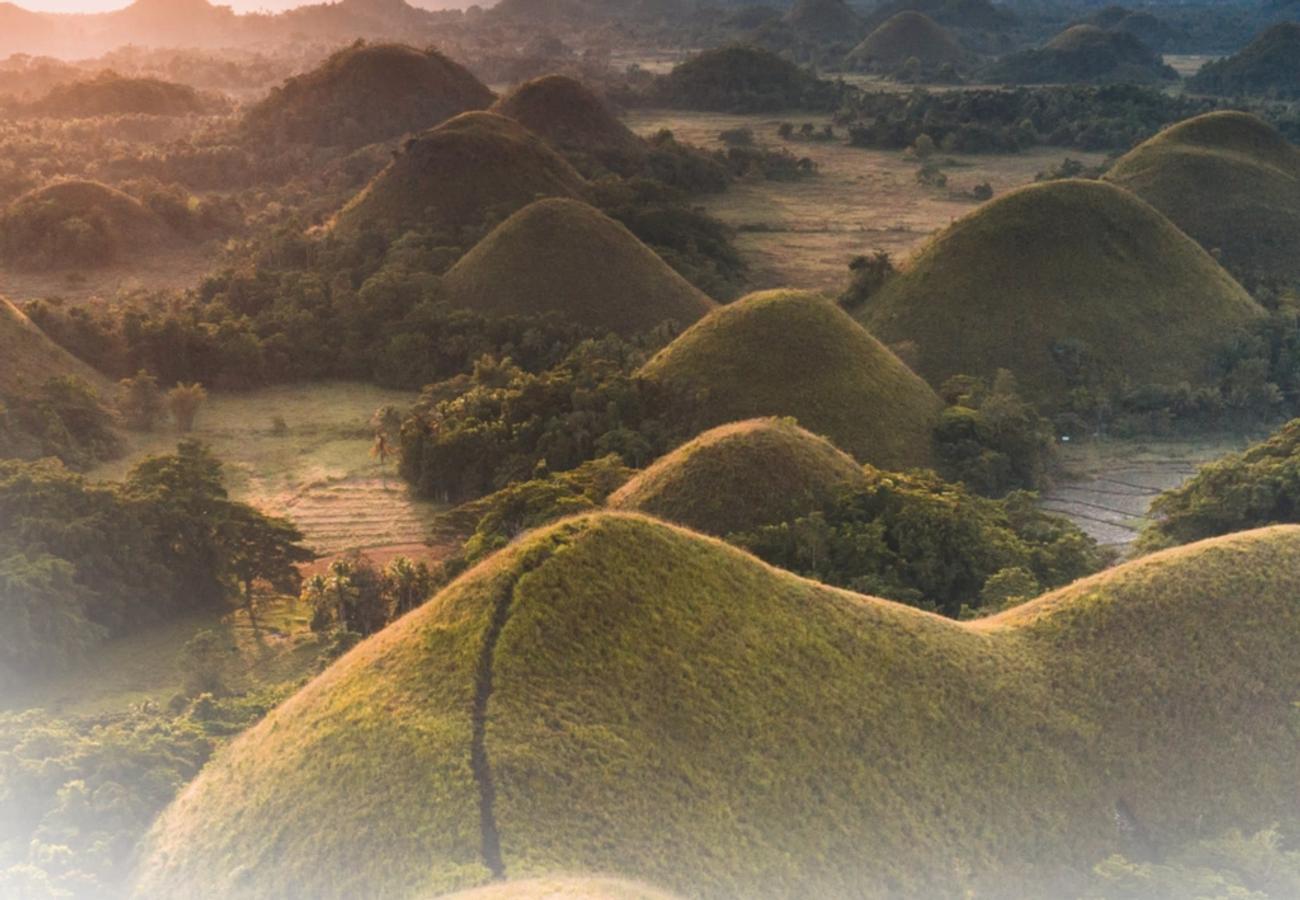
The iconic Chocolate Hills of Bohol, the geological crown jewel of the Philippines' first and only UNESCO Global Geopark.
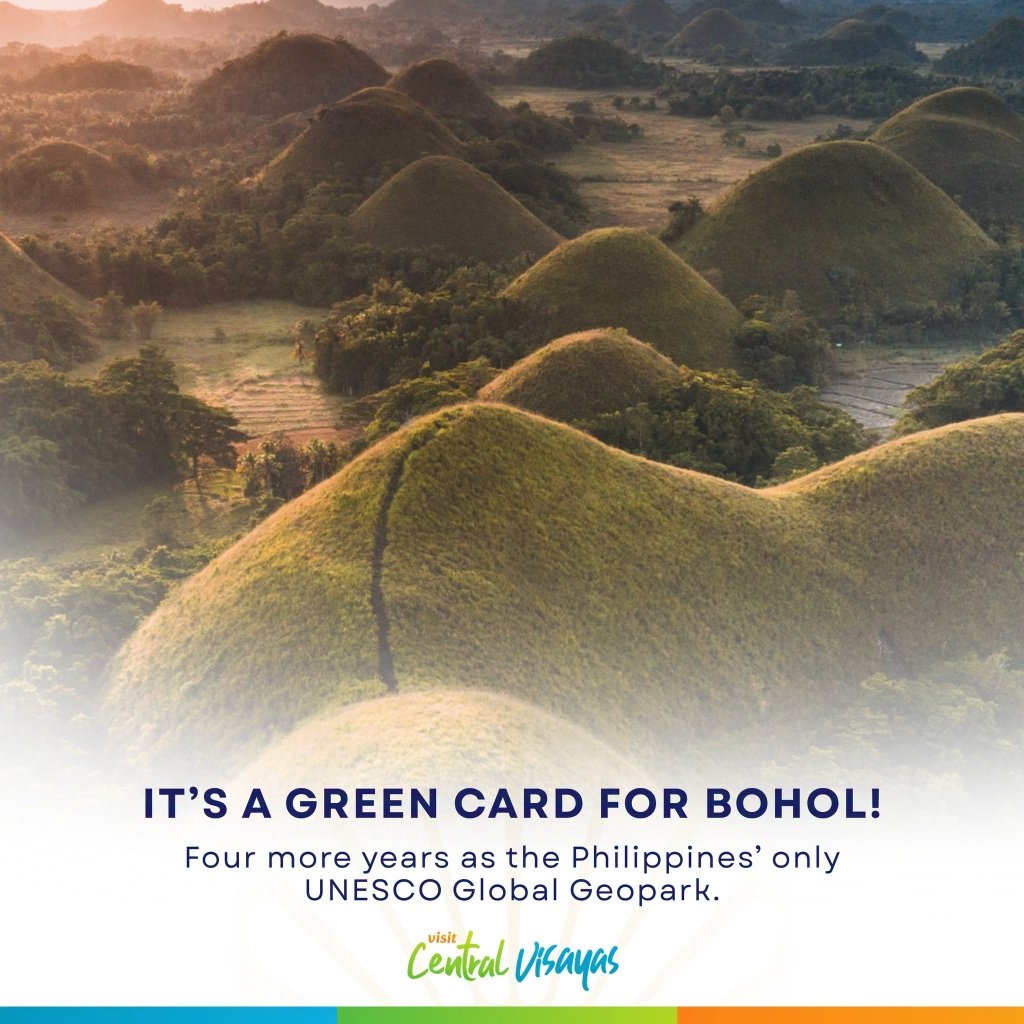
Bohol has officially secured another four years as the Philippines’ first and only UNESCO Global Geopark, with the UNESCO Global Geoparks Council unanimously granting a prestigious Green Card revalidation during its 11th Session at UNESCO Headquarters in Paris, France. The milestone coincides with regional sustainability honors for Bohol-Panglao International Airport (BPIA), cementing the island province's benchmark model for eco-conscious tourism, conservation, and aviation in Southeast Asia.
The decision, formalized following rigorous evaluations conducted during the Council's assembly from November 2 to 4, 2026, confirms that Bohol Island has fully maintained and exceeded the exacting global benchmarks established for geological conservation, visibility, local community engagement, and territorial stewardship.
Unanimous Green Card Revalidation in Paris: What UNESCO's Decision Signifies
Under the UNESCO Global Geoparks framework, a "Green Card" represents the highest possible stamp of revalidation, granting an unconditional four-year renewal of designation. A lesser evaluation—a Yellow Card—flags compliance issues and requires immediate remedial action within two years, while a Red Card revokes UNESCO recognition entirely.
Bohol's unanimous Green Card affirmation followed a comprehensive on-ground First Revalidation Mission conducted from August 3 to 7, 2026. International evaluators inspected key geological monuments, indigenous cultural centers, municipal conservation zones, and sustainable livelihood programs across the island. The mission verified Bohol’s adherence across critical criteria, including Geological Heritage and Conservation, Territory and Visibility, Local Governance Integration, and Sustainable Development Policy and Activities, as documented by the Department of Tourism Central Visayas.
Commending the island-wide collective effort behind the achievement, Bohol Governor Erico Aristotle “Aris” C. Aumentado underscored that the global badge carries profound civic obligations:
“Ang Green Card bunga sa panaghiusa ug paningkamot sa atong mga LGU, komunidad, stakeholders, partners, ug ang tibuok katawhang Bol-anon nga adunay papel sa pag-atiman sa atong pinalanggang probinsya. Apan kauban niini ang mas dakong responsibilidad nga atong panalipdan ug ampingan ang atong natural ug kultural nga bahandi alang sa sunod nga mga henerasyon.
(The Green Card is the result of the unity and hard work of our LGUs, communities, stakeholders, partners, and the entire Bol-anon people—all of whom have played a role in caring for our beloved province. However, this also brings with it an even greater responsibility: to protect and safeguard our natural and cultural treasures for future generations.),” emphasized Bohol Governor Erico Aristotle “Aris” C. Aumentado.
The Three Foundational Pillars: Geoconservation, Geoeducation, and Geotourism
Bohol Island was originally inscribed as a UNESCO Global Geopark in May 2023, joining an elite global network of landscapes of international geological significance. The geopark encompasses the entire province, spanning 4,772 square kilometers of diverse terrain—from the world-renowned Chocolate Hills cone karst formations and the Danajon Bank Double Barrier Reef to subterranean cave systems, marine trenches, and pristine mangrove rivers.
The geopark’s operational framework functions on three interconnected pillars:
- Geoconservation: Implementing stringent protection laws, scientific research stations, and community-led watershed guarding to shield geological formations, karst forests, and marine sanctuaries from destructive commercial exploitation.
- Geoeducation: Embedding local earth sciences, biodiversity conservation, and Bol-anon oral traditions into public elementary, high school, and university curricula, alongside interpretive trails and visitor learning hubs.
- Geotourism: Fostering community-based ecotourism that empowers grassroots cooperatives, artisanal weavers, fisherfolk associations, and local culinary enterprises, ensuring financial gains directly uplift rural residents without exceeding environmental carrying capacities.
Eco-Airport Excellence: Bohol-Panglao International Airport Wins Asia Sustainability Award
Complementing the province’s global geopark status is a shared commitment to minimizing environmental impact at the primary point of visitor arrival: Bohol-Panglao International Airport (BPIA).
Operated by Aboitiz InfraCapital Bohol Airport Corporation (ABAC), BPIA—celebrated as the Philippines’ first purpose-built eco-airport—was recently crowned the Sustainability Initiative of the Year – Philippines at the prestigious 2026 Travel Daily Media (TDM) Travel Trade Excellence Awards – Asia.
Conferred on November 10, 2026, at the Sands Expo and Convention Centre in Singapore, the award honors BPIA’s transformative ECO-Airport Project, a structured portfolio of operational reforms aimed at curtailing carbon emissions and conserving island resources.
“Bohol's continued recognition as a UNESCO Global Geopark reinforces the importance of developing tourism in a way that protects the very assets that make the island unique,” said BPIA General Manager Aldwin Uy. “At ABAC, we believe that infrastructure development and environmental stewardship must go hand in hand. Through BPIA, we are committed to providing sustainable connectivity that supports Bohol's tourism industry, empowers local communities, and helps preserve the island's natural and cultural heritage for generations to come.”
Seven Strategic Action Areas Driving BPIA’s ECO-Airport Portfolio
The ECO-Airport Project integrates seven proactive environmental initiatives across daily terminal and airfield operations:
- Rooftop Solar Energy Generation: Utilizing extensive solar photovoltaic arrays to generate clean power for daytime terminal operations, significantly curbing grid reliance.
- Advanced Water Conservation & Rainwater Harvesting: Capturing and treating rainwater for landscape irrigation, airfield maintenance, and terminal sanitation.
- Electric Ground Support Equipment (e-GSE): Transitioning baggage tugs, passenger boarding stairs, and maintenance vehicles from diesel engines to zero-emission electric power.
- Single-Use Plastic Eradication: Enforcing strict plastic-free policies across airport concessionaires, restaurants, lounges, and retail shops.
- Natural Ventilation & Daylight Architecture: Maximizing open-air louvered architectural design and high-efficiency skylights that harness sea breezes and reduce air-conditioning loads.
- Comprehensive Waste Segregation & Composting: Diverting organic food waste into municipal agricultural composting systems while maximizing material recycling.
- Institutional Partnership with Bohol UNESCO Geopark: Incorporating native geological exhibits, indigenous cultural storytelling, and conservation awareness messaging throughout the departure and arrival concourses.
Aboitiz InfraCapital Sweeps Regional Aviation Honors Across the Philippines
BPIA’s sustainability award was part of an unprecedented clean sweep for Aboitiz InfraCapital (AIC) Airports at the 2026 TDM Travel Trade Excellence Awards in Singapore. All three gateways in the group's aviation portfolio captured top honors:
- Mactan-Cebu International Airport (MCIA) was awarded Airport Experience of the Year – Philippines, recognizing its world-class resort-themed architecture and passenger-centric terminal hospitality.
- Laguindingan International Airport in Northern Mindanao took home Health and Safety Initiative of the Year – Philippines, highlighting its operational safety protocols.
- Bohol-Panglao International Airport (BPIA) secured Sustainability Initiative of the Year – Philippines.
Collectively, the accolades affirm AIC Airports’ holistic operating philosophy: pairing seamless passenger travel with deep ecological accountability and community resilience.
What the UNESCO Green Card Means for Travelers Visiting Bohol
For international and domestic tourists, Bohol’s Green Card revalidation provides independent assurance that their travel spending supports genuine conservation and equitable community livelihoods.
Visitors to Bohol are encouraged to engage with the geopark responsibly:
- Explore geopark interpretive centers at Carmen (Chocolate Hills), Alicia Panoramic Hills, and Hinagdanan Cave.
- Opt for eco-certified local tour guides trained in geoeducation and sustainable wildlife observation (including ethical tarsier sanctuary guidelines).
- Patronize community cooperatives in coastal towns, savor native organic cuisine, and purchase locally woven raffia crafts.
- Take advantage of low-emission ground transit options and respect carry-in, carry-out waste rules along all mountain trails and marine reefs.
As Bohol embarks on its next four-year UNESCO mandate, its message to the global travel community is clear: true luxury is a preserved landscape, and the most rewarding way to experience paradise is by ensuring it thrives for generations to come.
Official Press Inquiries & Corporate Contacts
For additional information on the Bohol Island UNESCO Global Geopark programs, municipal conservation initiatives, or airport sustainability developments:
Media & Corporate Inquiries:
- Contact: Franz Jonathan G. De La Fuente
- Designation: Corporate Communications & Branding Manager
- Organization: Aboitiz InfraCapital, Inc.
- Email: [email protected]
- Campaign: #OneNewAboitiz
Related Travel Guides
This article is for informational purposes. Flight routes, passenger regulations, visa rules, and transit advisories are subject to change by airlines and aviation authorities. Readers are advised to verify schedules and travel documentation with relevant carriers and border agencies before departure.
Related Stories
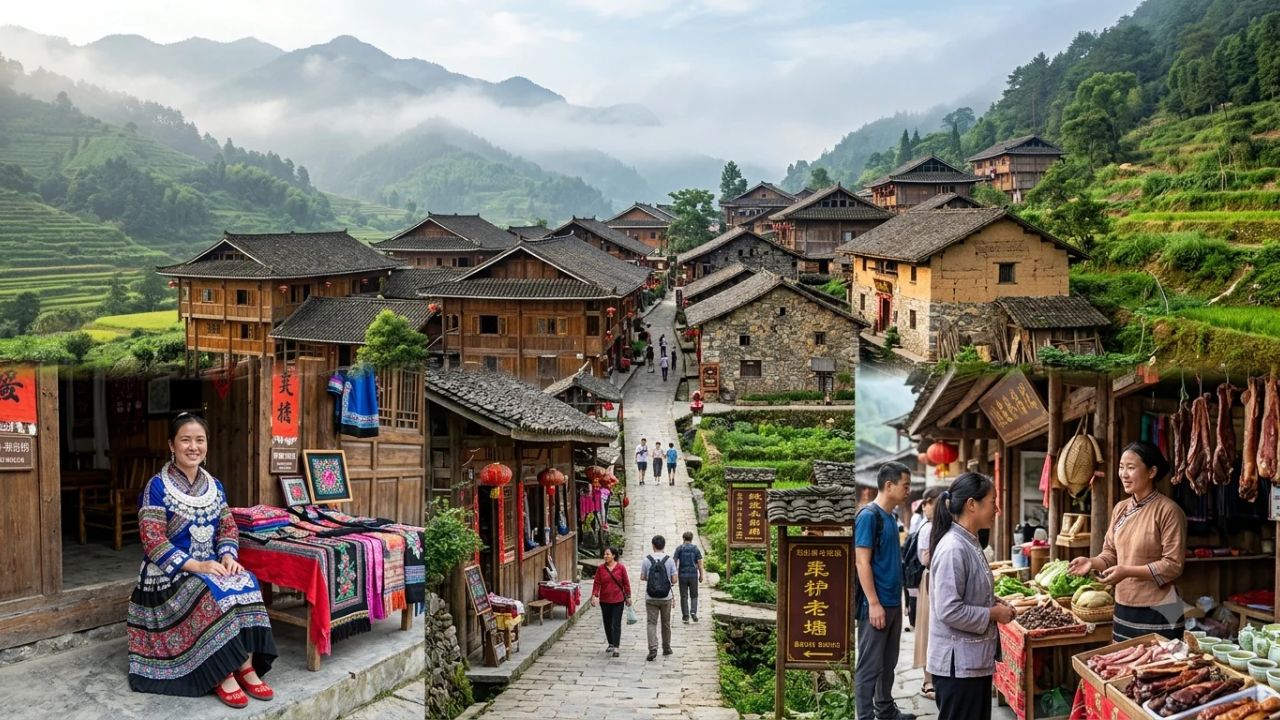
China Drives Rural Tourism Revitalisation: How Shibadong and Simola Wa Village Transform Local Economies Through Cultural Heritage and Cooperatives
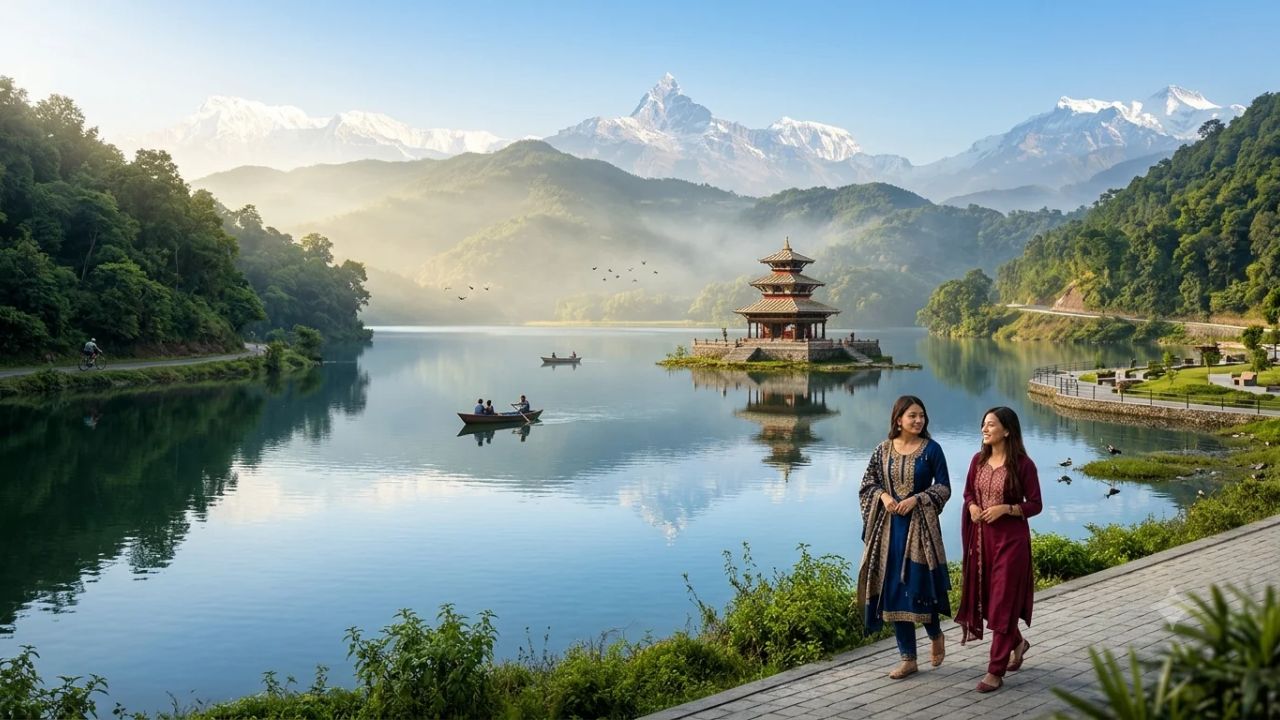
Nepal Invests Rs 4.5 Billion in Rupa Lake Tourism Expansion: Dam Construction, Island Temple, and Eco-Recreation Corridor in Pokhara