
Yucatán Peninsula Diversifies Tourism as Sargassum Strains Caribbean Coast
More than 105,000 tonnes of sargassum seaweed removed from Quintana Roo beaches by mid-August 2026, pushing travelers to explore inland Yucatán cities.

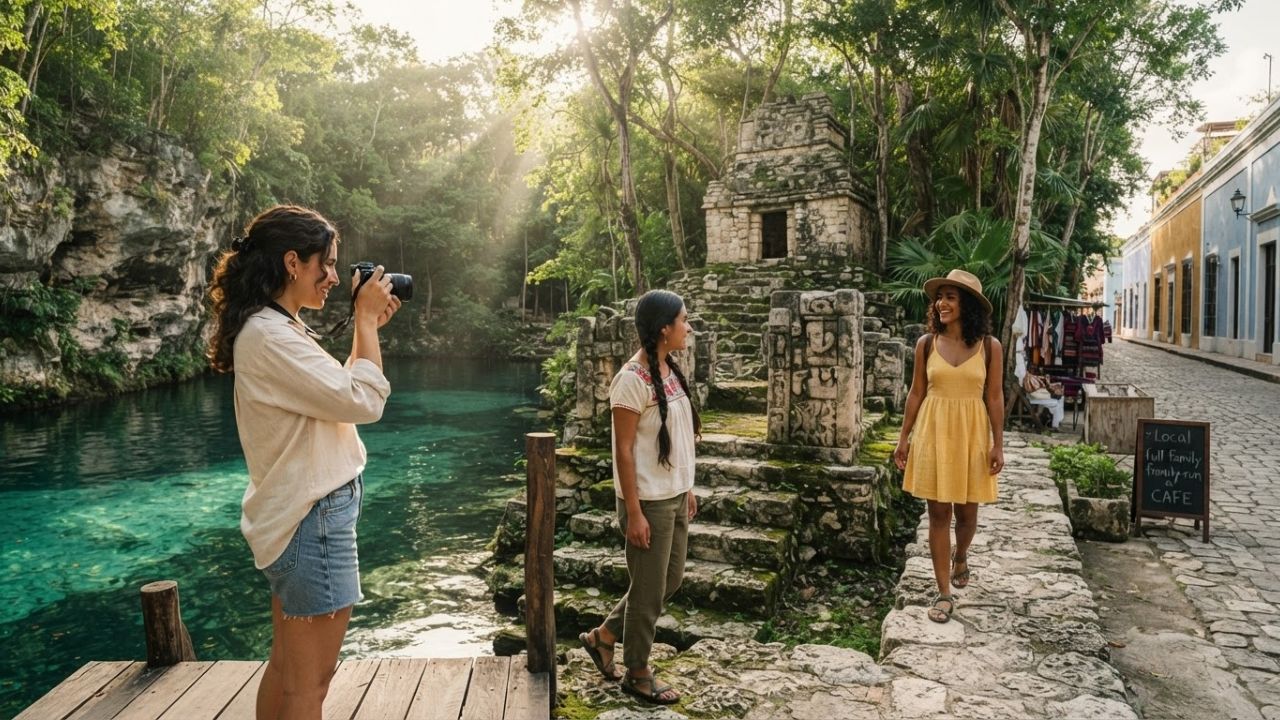
Image generated by AI
More than 105,000 tonnes of sargassum seaweed were removed from Quintana Roo beaches by mid-August 2026, pushing travelers to explore inland cities, cenotes, and Mayan heritage sites.
Environmental Realities: Sargassum Strains the Mexican Caribbean
According to official collection figures, over 105,000 tonnes of sargassum seaweed have been cleared from the coast of Quintana Roo by mid-August 2026. This volume surpasses the total amount collected in the region during all of 2025, and with the seaweed season expected to run into October, beach destinations like Cancun, Playa del Carmen, and Tulum face continued operational pressures.
Rather than cancelling trips, travelers are adapting by looking inland to the Yucatán Peninsula, where colonial architecture, subterranean sinkholes, and ecological reserves provide reliable travel alternatives unaffected by coastal conditions.
Mérida and Valladolid: Heritage Gateways of the Interior
The capital of Yucatán, Mérida, has established itself as a major destination. Inscribed as a UNESCO Creative City of Gastronomy, Mérida offers historic cantinas, colonial squares, and culinary tourism. Sited within driving distance of major ruins, it serves as a base to visit local haciendas and archaeological zones managed by the National Institute of Anthropology and History (INAH).
Valladolid has similarly evolved from a brief stopover into a primary destination. Featuring colorful streetscapes, access to cenotes, and Zapotec-influenced restaurants, it encourages overnight stays that direct tourism capital to local hotels, drivers, and artisans.
Community-Led Ecotourism: Camino del Mayab and Maya Ka'an
In 2026, the Mexican Ministry of Tourism (Sectur) designated Camino del Mayab in Yucatán, Maya Ka'an in Quintana Roo, and Pueblos Mancomunados in Oaxaca as priority community tourism destinations.
Camino del Mayab, a network of hiking and cycling trails developed in partnership with Fonatur and the Yucatán Secretariat of Tourism Development (Sefotur), connects travelers with remote Mayan villages. Booking community guides and staying in village-owned lodgings ensures that travel spending directly supports local family economies.
Fortified Cities and Rainforest Reserves: Campeche and Calakmul
On the western side of the peninsula, Campeche offers a UNESCO World Heritage historic fortified center. Its baroque architecture and cobblestone streets provide stable cultural experiences unaffected by maritime seaweed patterns.
Further south, Calakmul features the Ancient Maya City and Protected Tropical Forests, a UNESCO property where visitors can hike through rainforests and climb ancient ruins, presenting a contrast to standard beach vacations.
Environmental Management in Bacalar
Ecotourism expansion requires careful regulation. In Bacalar, the delicate lagoon ecosystem, famous for its ancient stromatolites (microbial reefs), faces risks from sudden passenger increases. Tourism boards emphasize that visitor quotas and strict water regulations are necessary to prevent ecological degradation.
Local Insider Travel Strategies
- Cenote Etiquette: Always shower before entering a cenote to remove body lotions, and use only biodegradable sunscreens to protect the underground freshwater system.
- Beat the Midday Heat: Plan walks through historic towns like Valladolid or Mérida during the late afternoon (4:00 PM to 6:00 PM) when temperatures drop and public squares host traditional dances.
- Savor Regional Cuisine: Try traditional Yucatecan dishes like Sopa de Lima (lime chicken soup with tortilla strips) or Poc Chuc (citrus-marinated grilled pork).
- Discover Izamal: Visit the historic town of Izamal, known as the "Yellow City," located between Mérida and Valladolid, to explore its massive Franciscan convent and ancient pyramid ruins.
- Support Local Artisans: Purchase embroidered clothing (huipiles) and woven hammocks directly from Mayan family cooperatives rather than city souvenir shops.
Long-Term Outlook for Mexican Tourism
The growth of inland tourism in Yucatán represents a shift toward resilient, experience-led travel. By developing community-focused trails and promoting historic cities, Mexico is establishing a sustainable model that reduces dependence on coastal resorts. This balanced approach protects fragile marine biomes while ensuring that inland economies participate in the country's tourism growth.
Related Travel Guides
Disclaimer
This article is for informational and educational purposes only. It does not constitute legal, financial, or professional advice. While we strive to provide accurate and up-to-date information, travel policies, regulations, and conditions change rapidly. Always verify information with official sources before making travel decisions. Nomad Lawyer makes no representations about the accuracy, reliability, completeness, or suitability of the information provided. Readers should consult qualified professionals for advice specific to their circumstances. The views expressed in this article are those of the author and do not necessarily reflect the views of Nomad Lawyer.
Raushan Kumar
Founder & Lead Developer
Full-stack developer with 11+ years of experience and a passionate traveller. Raushan built Nomad Lawyer from the ground up with a vision to create the best travel and law experience on the web.
Learn more about our team →