
Ten Crowd-Free Lake Tahoe Alternatives Across the United States: 2026 Mountain Water Escapes
Escape Lake Tahoe's summer traffic and crowded beaches with ten pristine freshwater alternatives across America, from Idaho's Priest Lake to Vermont's Lake Willoughby.

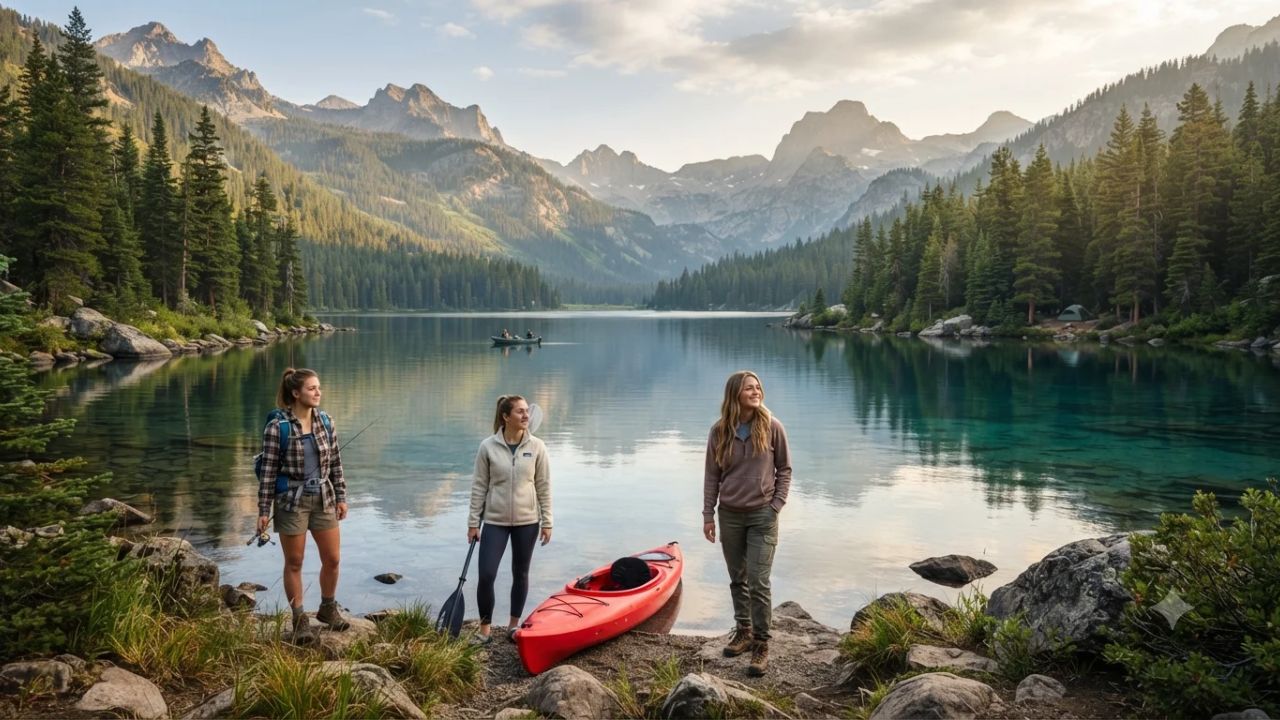
Image generated by AI
While over fifteen million annual travelers funnel into the narrow two-lane corridors flanking Lake Tahoe—enduring gridlock on Highway 89 and packed beaches—an aerial tramway glides in near-total mountain silence to an elevation of approximately 8,200 feet above Oregon's Wallowa Lake. Across the United States, freshwater travelers are awakening to the reality that high alpine water, dramatic granite cliffs, and pine-scented shores do not require battling tour buses or hunting for scarce trailhead parking. From the glacial cuts of New England to the vast timberlands of the Pacific Northwest and the warm reservoirs of the American South, a network of ten pristine alternatives delivers Tahoe-level outdoor grandeur without the punishing tourist density.
For travelers who prioritize waking up to mirror-calm waters rather than bumper-to-bumper traffic, looking beyond the Sierra Nevada reveals extraordinary geographic variety. These ten lakes span diverse regional ecosystems, offering cold-water glacial immersion, championship angling, backcountry paddling, and deep historic charm while maintaining a gentle, unhurried pace of life.
The Rising Exodus Toward Solitary Mountain Waters
Lake Tahoe straddles the California and Nevada border as one of the continent's most celebrated aquatic treasures. Yet its runaway popularity has triggered strict parking permits, environmental degradation, and escalating lodging tariffs that alienate independent outdoor explorers. The shift toward quieter freshwater havens represents a broader national movement toward lower-impact outdoor recreation, where immersion in nature takes precedence over crowded resort plazas.
In the northern panhandle of Idaho, Priest Lake rests beneath the jagged peaks of the Selkirk Mountains. Wrapped in dense stands of ancient cedar, towering fir, and golden tamarack, this northern refuge provides mirror-clear waters that remain tranquil even during midsummer. Swimmers and powerboaters share miles of open surface without competition, while winter visitors trade paddles for snowshoes along quiet timberline routes. Wildlife observers regularly record sightings of moose grazing in shoreline bogs, white-tailed deer stepping through subalpine glades, and bald eagles hunting over undisturbed coves.
Further west in northeastern Oregon, Wallowa Lake sits cradled by the snow-dusted Wallowa Mountains, often termed America's Little Switzerland. Its deep glacial basin reflects steep pine-covered slopes, leading up to the historic tramway terminal near Mount Howard's summit at 8,200 feet. The destination combines high-elevation alpine hiking with calm kayaking, supported by regional travel resources like Travel Oregon that guide visitors through its delicate wilderness access points.
Moving east to the Blue Ridge mountains of southwestern North Carolina, Lake Glenville stands out with approximately 26 miles of shoreline and turquoise-tinted mountain waters. Hidden waterfalls cascade directly down forest cliffs into the lake, creating natural navigation markers for paddleboarders, fishermen, and tubing enthusiasts. Unlike commercialized reservoirs, Glenville retains a peaceful Appalachian cadence framed by hardwood ridges.
New England harbors two of the country's most dramatic freshwater sanctuaries. In eastern Vermont, Lake Willoughby fills a massive glacial gap carved between Mount Hor and Mount Pisgah. With sheer rock walls plunging straight into icy, crystal-clear water, Willoughby feels more like a Norwegian fjord than an American mountain basin, drawing hardy swimmers, paddlers, and ambitious cliff-trail hikers. Meanwhile in New Hampshire, Newfound Lake covers approximately 4,100 acres fed by pure underground springs. Centered around Wellington State Park, its shores present exceptional water visibility for trout anglers and families seeking unblemished sandy stretches.
Deep in the north woods of Maine, Moosehead Lake covers approximately 75,000 acres, dwarfing smaller regional ponds and offering an expansive wilderness scale. The sheer precipice of Mount Kineo rises straight out of the water, providing a dramatic landmark for landlocked salmon anglers, canoe expeditions, and autumn leaf-peepers seeking blazing foliage without coastal crowds.
Southern travelers seeking warmer conditions can head to Arkansas, where Lake Ouachita covers approximately 40,000 acres near Hot Springs. Surrounded by the protected ridges of the Ouachita National Forest, this massive reservoir lacks commercial shoreline development, making it an extraordinary haven for scuba diving in crystal visibility, kayak touring, and angling for largemouth bass, bream, crappie, and catfish. In western South Carolina, Lake Jocassee nestles in the Blue Ridge foothills, fed by pristine Appalachian streams and renowned for its hidden waterfall coves, scuba diving passages, and record-breaking mountain trout.
California road trippers seeking an alternative to Lake Tahoe's congestion can drive approximately three hours north to Lake Almanor. Nestled in the shadow of Lassen Peak—an active volcano preserved within Lassen Volcanic National Park through the National Park Service—Almanor delivers panoramic volcano views, rich trout fishing, and easy access to geothermal wonderlands without Lake Tahoe's summer crowds. Finally, Swan Lake in western Montana encompasses approximately 3,200 acres bordering the Flathead National Forest, managed alongside public conservation lands by the U.S. Forest Service. Its calm waters and quiet timber hamlets offer a peaceful refuge for travelers seeking wildlife watching and quiet lakefront reflection.
What Makes These Ten Lakes Stand Apart From Resort Basins
What distinguishes these destinations from Lake Tahoe is their commitment to preserving low-density natural shorelines over dense commercial development. Rather than encircling their perimeters with high-rise casino resorts, multi-lane highways, and gated mansions, these lakes are predominantly buffered by state parks, national forest lands, and modest family-owned marinas.
Geologically, they present distinct freshwater experiences. Lake Willoughby's glacial trough reaches depths that keep the water bracing all summer, while Lake Ouachita's warm, flooded island topography invites extended swimming sessions and underwater exploration. Culturally, each lake reflects the authentic personality of its surrounding communities. At Moosehead Lake, historic sporting camps continue traditions established in the nineteenth century, while Wallowa Lake honors the ancestral homelands and cultural history of the Nez Perce people.
Visitor Insider Tips
Maximizing an independent trip to these decentralized waterways requires regional preparation and respect for local seasonal realities.
- Time Your Mountain Journeys Carefully: High-elevation lakes like Wallowa Lake, Lake Almanor, and Lake Willoughby operate on short summer recreation windows, typically stretching from late June through early September. In northern Idaho and Montana, early June water can remain frigid from mountain runoff, whereas September brings crisp air, empty waters, and golden tamarack needles.
- Navigate State Park Capacities in New England: At Newfound Lake, Wellington State Park frequently hits parking limits by mid-morning on hot July weekends. Secure your day-use parking pass online in advance, or base yourself in nearby towns like Bristol to arrive before 8:30 AM.
- Embrace Dispersed Boat Launches: At Lake Ouachita and Moosehead Lake, skip the busy central marinas and seek out public boat ramps on national forest land to launch kayaks and canoes in complete seclusion.
- Respect Cold-Water Realities: Even in mid-July, the depths of Lake Willoughby and Priest Lake hover at brisk temperatures. Always carry personal flotation devices when paddleboarding, as alpine winds can generate sudden chop.
- Savor Hyper-Local Lakeside Fare: Seek out huckleberry pancakes in the rustic cafes surrounding Priest Lake, fresh wild blueberries and landlocked salmon in Greenville near Moosehead Lake, and warm Southern peach cobbler near Lake Jocassee.
Cultural and Environmental Context
The growing interest in lesser-known lakes brings vital economic revenue to rural communities, sustaining local bait shops, guide services, family-run cabins, and independent grocers. However, these delicate freshwater environments face ecological vulnerabilities. Unlike Lake Tahoe, which possesses substantial municipal infrastructure and dedicated conservation agencies, smaller lakes rely on modest county services and regional watershed associations.
Aquatic invasive species represent an ongoing hazard. Boaters must rigorously clean, drain, and dry all watercraft before moving between basins to prevent the introduction of quagga mussels and invasive weeds. Additionally, sensitive shoreline nesting habitats for loons in Maine and bald eagles in Idaho require strict no-wake zones near marshy coves. By treading lightly, packing out all waste, respecting private timber boundaries, and observing local quiet hours, travelers ensure these wild waters remain pristine for generations to come.
FAQ: Visiting America's Best Alternative Lakes 2026
Which lake is the closest direct alternative for Lake Tahoe travelers? Lake Almanor in Northern California sits approximately three hours north of Lake Tahoe, offering comparable pine-fringed mountain views, water sports, and Lassen Peak volcanic vistas without the heavy traffic.
Can you swim comfortably in these northern lakes? Yes, though water temperatures vary widely. Lake Glenville, Lake Ouachita, and Lake Jocassee offer warm summer swimming, while northern glacial waters like Lake Willoughby and Priest Lake remain invigoratingly crisp.
Are boat rentals available at all ten destinations? Most of these lakes feature independent marinas offering pontoon, motorboat, kayak, and stand-up paddleboard rentals during the primary summer operating season from Memorial Day to Labor Day.
What is the best destination for combining lake adventures with wildlife viewing? Moosehead Lake in Maine and Priest Lake in Idaho offer the greatest opportunities for spotting moose, black bears, bald eagles, and deer along undisturbed forested shorelines.
Stepping away from crowded resort shorelines reveals that the purest mountain reflections are found where the only ripples belong to nature.
Related Travel Guides
Travel California & New York 2026: Rising Costs Reshape US Destination Appeal
California best affordable suburbs near major cities 2026
10 Best Mountain Lakes in the American West, According To Reddit
Disclaimer
This article is for informational and educational purposes only. It does not constitute legal, financial, or professional advice. While we strive to provide accurate and up-to-date information, travel policies, regulations, and conditions change rapidly. Always verify information with official sources before making travel decisions. Nomad Lawyer makes no representations about the accuracy, reliability, completeness, or suitability of the information provided. Readers should consult qualified professionals for advice specific to their circumstances. The views expressed in this article are those of the author and do not necessarily reflect the views of Nomad Lawyer.
Raushan Kumar
Founder & Lead Developer
Full-stack developer with 11+ years of experience and a passionate traveller. Raushan built Nomad Lawyer from the ground up with a vision to create the best travel and law experience on the web.
Learn more about our team →