
China Luxury Tourism 2026: New Initiatives Transform Asia's Travel Landscape
China's ambitious 2026 tourism initiatives are reshaping luxury travel across Asia. New luxury hospitality programs and investment in high-end destinations make China a compelling choice for global travelers seeking premium experiences this year.

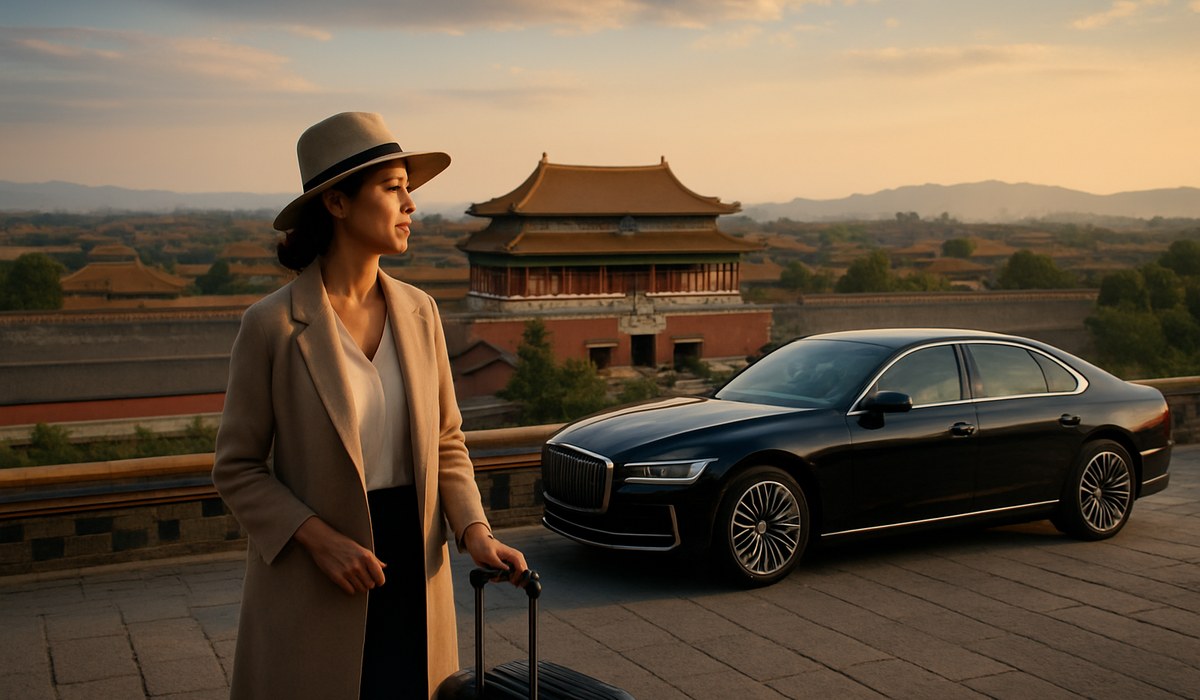
Image generated by AI
China is fundamentally reshaping its position as a premium destination through sweeping luxury travel initiatives unveiled in 2026. The country's comprehensive tourism transformation prioritizes high-end hospitality, cultural experiences, and international visitor engagement. These strategic shifts position China as an essential global destination for affluent travelers seeking authentic Asian experiences.
Luxury Hospitality Expansion Across Major Urban Centers
China's luxury hospitality sector experienced explosive growth throughout 2026. Five-star hotel operators expanded portfolios in Shanghai, Beijing, and Chengdu, introducing boutique properties that blend contemporary design with traditional aesthetics. Major chains like Four Seasons and Mandarin Oriental opened flagship properties featuring Michelin-starred restaurants and wellness facilities. Beijing Capital International Airport (PEI) now hosts premium lounges catering exclusively to luxury travelers. These developments directly address demand from high-net-worth individuals seeking personalized service and cultural immersion during their stays across destinations.
Premium Transportation and Access Infrastructure
Modern transportation networks now facilitate seamless luxury travel experiences throughout the country. High-speed rail corridors connecting Shanghai to Hangzhou and Chengdu reduce travel times while offering first-class cabins with gourmet dining. Airlines including Air China and China Eastern launched dedicated luxury cabin services featuring suites with direct aisle access. Pudong International Airport expanded its luxury terminal facilities. Investment in transportation revolution enables travelers to maximize time experiencing destinations rather than managing logistics during their journey planning.
Cultural Tourism and Experiential Travel Programs
China developed comprehensive experiential packages showcasing heritage sites and contemporary culture. Private museum tours in the Forbidden City offer exclusive access during non-public hours. Luxury resorts in Guilin and Lijiang partner with local artisans to create immersive workshops in traditional crafts. Lonely Planet recognized these initiatives as game-changing for destination diversity. High-end travel consultants can now customize multi-week itineraries combining archaeological sites with avant-garde art galleries. These revolution-focused programs attract global cultural enthusiasts willing to invest premium budgets in transformative travel experiences.
Best Time to Visit China for Luxury Travelers
The optimal windows for experiencing China's luxury tourism offerings align with spring and autumn seasons. March through May delivers mild temperatures and clear skies across most regions, making destinations like Xi'an and Yangshuo particularly appealing. September through November provides consistent weather patterns favorable for extended itineraries. Summer months (June-August) present humidity challenges in southern destinations. Winter travels to northern regions require specialized cold-weather planning. Luxury resorts adjust premium pricing during peak shoulder seasons, so advance booking with travel specialists secures optimal rates and exclusive experiences unavailable to standard visitors.
How to Get There: International Gateway Improvements
Multiple airports now provide convenient access for international luxury travelers heading to China. Shanghai Pudong International Airport (SHA) operates as the primary gateway for flights from North America and Europe. Beijing Capital International Airport (PEI) connects major Asian hubs and offers premium ground transportation through dedicated car services. Guangzhou Baiyun International Airport (CAN) serves travelers interested in southern destinations. Direct flights from Los Angeles, London, and Singapore arrive daily. Visa requirements were streamlined in 2026, with priority processing available for luxury tour package holders. Tour operators coordinate seamless connections from arrival to first-class accommodations within hours.
Investment in Sustainable Luxury Development
China integrated environmental responsibility into luxury tourism expansion. Zero-emission electric vehicles transport guests between high-end resorts and cultural sites. Mountain destinations restrict visitor numbers to preserve ecological integrity while maintaining premium experience quality. Official China Tourism Board published sustainability standards for hospitality providers. Luxury eco-lodges in Yunnan utilize renewable energy and traditional construction methods. This commitment addresses global traveler preferences for responsible tourism without compromising comfort or exclusivity. The approach positions destinations as leaders in conscious luxury travel.
| China Luxury Tourism Metric | 2026 Status | Significance for Travelers |
|---|---|---|
| International visitor target | 8.9 million arrivals projected | Increased flight capacity and accommodation availability |
| Luxury hotel rooms added | 12,000 new five-star properties | More location options and competitive pricing |
| High-speed rail expansion | 40,000 kilometers operational | Reduced travel times between premium destinations |
| Michelin-starred restaurants | 400+ locations nationwide | Gastronomic experiences rivaling global culinary capitals |
| Cultural experiential programs | 200+ exclusive offerings | Immersive activities unavailable through standard tourism |
| Average luxury traveler spending | $8,500-15,000 per week | Premium investment attracts world-class service standards |
What This Means for Travelers
These transformations deliver concrete advantages for luxury-focused travelers planning 2026 itineraries:
-
Enhanced destination variety: Previously lesser-known cities now offer five-star amenities, enabling personalized route planning beyond Beijing-Shanghai circuits.
-
Exclusive cultural access: Private museum hours, artist collaborations, and closed-door dining experiences provide status and authenticity unavailable in mass tourism.
-
Seamless logistics: Improved transportation networks and coordination reduce planning complexity, allowing more time for genuine cultural engagement.
-
Competitive pricing windows: Expanding hospitality inventory creates negotiation room during shoulder seasons, delivering value without compromising quality.
-
Personalized service standards: Boutique properties emphasize individualized attention and bespoke itinerary design over generic resort operations.
-
Sustainability assurance: Environmental certifications guarantee that luxury experiences align with contemporary values regarding responsible travel.
Frequently Asked Questions
What makes China tourism luxury experiences distinctive from other Asian destinations in 2026? China's 2026 luxury offerings combine ancient cultural heritage with cutting-edge hospitality infrastructure. Private access to UNESCO sites, Michelin-recognized dining, and zero-emission transportation distinguish China from Thailand or Vietnam. Investment in experiential programming creates activities impossible elsewhere in Asia, from exclusive Forbidden City tours to traditional craft apprenticeships with master artisans.
When should travelers book china tourism luxury packages to secure premium experiences? Booking 6-8 weeks in advance ensures access to exclusive experiences and optimal pricing. Spring season (April-May) and autumn (September-October) fill quickly as luxury travelers seek ideal weather. Direct contact with travel specialists beats standard booking platforms for securing private museum access and bespoke itinerary design unavailable to casual visitors.
Which destinations within China offer the best luxury travel revolution experiences? Shanghai delivers urban sophistication with Michelin restaurants and contemporary art. Beijing combines imperial history with modern luxury hospitality. Chengdu appeals to experiential travelers through sustainable mountain resorts and wildlife conservation programs. Lijiang offers heritage preservation with high-end resort amenities. Selection depends on personal interests ranging from gastronomy to environmental consciousness.
How do luxury travelers navigate visa requirements and entry procedures in 2026? China streamlined visa processing in 2026 for package tourists. Luxury tour operators coordinate all documentation, reducing complexity to minimal paperwork. Priority processing takes 2-3 business days. Standard visas remain valid for 90 days, enabling extended explorations. Travel insurance specialized for luxury destinations covers activities, transportation, and medical emergencies across the country.
Related Travel Guides
Disclaimer
This article is for informational and educational purposes only. It does not constitute legal, financial, or professional advice. While we strive to provide accurate and up-to-date information, travel policies, regulations, and conditions change rapidly. Always verify information with official sources before making travel decisions. Nomad Lawyer makes no representations about the accuracy, reliability, completeness, or suitability of the information provided. Readers should consult qualified professionals for advice specific to their circumstances. The views expressed in this article are those of the author and do not necessarily reflect the views of Nomad Lawyer.
Raushan Kumar
Founder & Lead Developer
Full-stack developer with 11+ years of experience and a passionate traveller. Raushan built Nomad Lawyer from the ground up with a vision to create the best travel and law experience on the web.
Learn more about our team →