Taiwan’s EVA Air Eyes 24 New Widebody Jets To Expand Long Haul Travel And Upgrade Passenger Experience

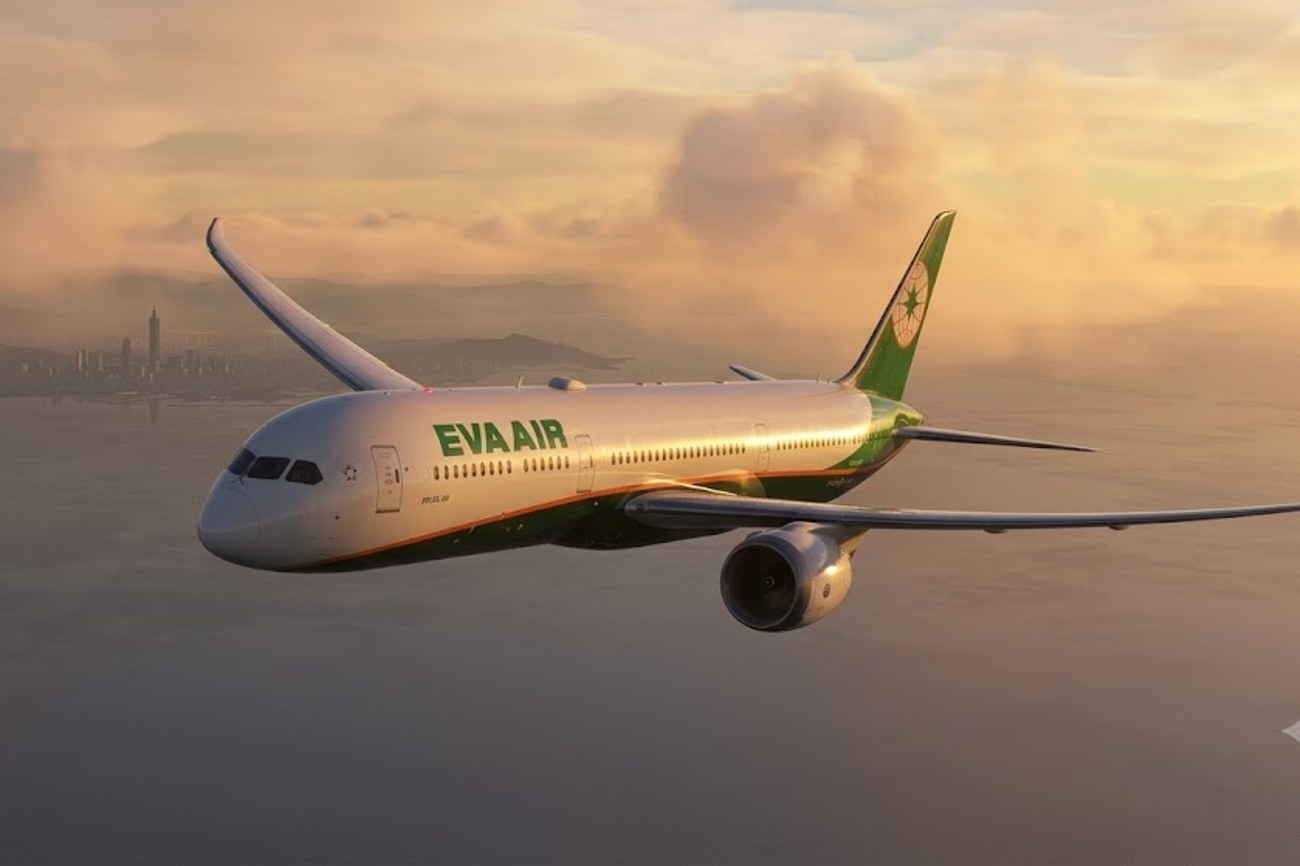
Image generated by AI
Approximately 24 large passenger aircraft are currently under consideration by EVA Air as the carrier weighs a massive fleet modernization effort to phase out its aging long-haul workhorses. This potential acquisition, reported by Bloomberg on 17 September 2026, signals a strategic pivot for the Taiwanese carrier as it navigates the complex transition from the Boeing 777-300ER era toward a more fuel-efficient, next-generation widebody operation.
The Sunset of the Boeing 777-300ER
The core of this procurement strategy is the systematic replacement of the Boeing 777-300ER. For years, this twin-engine giant has served as the backbone of EVA Air’s intercontinental connectivity, providing the necessary range and seat density to maintain viability on high-demand routes to North America and Europe. However, the operational economics of aviation have shifted. Older widebodies, while reliable, lack the fuel efficiency and carbon-reduction profiles of newer composite-heavy aircraft.
Currently, EVA Air manages a total fleet of approximately 89 aircraft. The Boeing 777-300ER represents nearly one-third of this total, meaning the carrier is facing a critical "cliff" where a significant portion of its capacity will require replacement simultaneously to avoid escalating maintenance costs and fuel penalties. This is not a sudden shift but the culmination of a program that began in 2023, during which the airline already secured approximately three dozen widebody aircraft from both Airbus and Boeing.
Procurement Data and Delivery Timelines
The current deliberations involve a competitive bidding process between the two global aerospace giants. While the specific models have not been disclosed, the focus is squarely on widebody jets capable of sustaining long-haul operations without sacrificing passenger comfort or payload capacity.
The following table outlines the specific parameters of the reported procurement strategy:
| Category | Reported Detail |
|---|---|
| Potential Order Volume | Approximately 24 large passenger jets |
| Primary Target for Replacement | Boeing 777-300ER |
| Current Fleet Scale | Approximately 89 aircraft |
| Prior Widebody Orders (Since 2023) | Approximately three dozen aircraft |
| Estimated Delivery Window | Mid-2030s |
| Current Status | Under consideration/Reviewing proposals |
| Home Hub | Taiwan Taoyuan International Airport |
The delivery window—stretching into the mid-2030s—is the most telling piece of data. It confirms that EVA Air is not seeking an immediate capacity surge to meet current demand, but is instead hedging against future delivery bottlenecks. In an era where International Air Transport Association (IATA) reports highlight chronic delays in aircraft manufacturing, securing a delivery slot now is a defensive legal and logistical maneuver.
Expert Analysis: The Strategic Hedge
For the frequent flyer and the industry analyst, this move is less about "growth" and more about "sustainability of scale." When an airline replaces nearly 30% of its fleet, the direct consequence is a fundamental shift in the Cost per Available Seat Mile (CASM). Newer aircraft typically offer 15% to 25% better fuel burn than the 777-300ER, which directly impacts the airline's ability to maintain competitive pricing on long-haul fares.
The pricing pressure created by this transition is twofold. First, the massive capital expenditure required for 24 new widebodies often leads airlines to optimize their cabin configurations—potentially increasing the ratio of premium economy seats to maximize yield per square foot. Second, the timing aligns with the development of a third terminal at Taiwan Taoyuan International Airport. By syncing fleet renewal with infrastructure expansion, EVA Air is positioning itself to handle higher passenger volumes without increasing the number of slots it occupies.
Furthermore, the competition between Airbus and Boeing for this specific order is a proxy for the battle over the Asia-Pacific market. If EVA Air leans heavily toward one manufacturer, it creates a "fleet commonality" effect, reducing pilot training costs and simplifying spare parts logistics. For the traveler, this usually manifests as higher reliability and fewer cancellations due to aircraft-specific technical faults.
Key Takeaways
- Fleet Transition: EVA Air is looking to replace a significant portion of its Boeing 777-300ER fleet, which currently makes up nearly one-third of its ~89 aircraft.
- Volume and Timing: The potential order of approximately 24 jets is aimed at the mid-2030s, emphasizing long-term stability over immediate expansion.
- Prior Investment: This follows a trend started in 2023, where approximately three dozen widebodies were already ordered to begin the modernization process.
- Infrastructure Synergy: The fleet expansion is designed to complement the construction of a third terminal at Taiwan Taoyuan International Airport.
- Market Competition: The order remains undecided, with Airbus and Boeing competing for the contract based on delivery slots and commercial terms.
FAQ: EVA Air Fleet Modernization 2026
Will this lead to new flight destinations for EVA Air? Not necessarily. The primary goal is the replacement of the Boeing 777-300ER fleet rather than adding new routes. While new aircraft can enable longer flights, the current focus is on maintaining existing long-haul capacity with more efficient planes.
When will passengers see these new aircraft in the air? The reported delivery window is the mid-2030s. Passengers will continue to fly on the current Boeing 777-300ER and the widebodies ordered since 2023 for the next several years.
How will this affect ticket prices? In the long run, newer, more fuel-efficient aircraft lower the operating cost per seat. While this doesn't guarantee lower fares, it allows the airline to remain competitive against rivals like China Airlines and Starlux Airlines.
Which aircraft will EVA Air choose, Airbus or Boeing? The airline has not yet made a final decision. They are currently reviewing proposals from both manufacturers, weighing factors like delivery timelines, cabin flexibility, and operational costs.
A calculated bet on the 2030s that ensures Taiwan's skies remain open and efficient.
Tags: EVA Air, Boeing 777-300ER, Taiwan Taoyuan International Airport, Airbus, Boeing, Asia-Pacific Aviation 2026
Related Travel Guides
- Bali Tourism Reaches Iconic Heights As Smooth Aviation Infrastructure Redefines Island Travel In Indonesia, Find Out Now
- Cyprus Transforms The Travel Industry By Turning Quiet Hidden Border Towns Into The Ultimate Year-Round Escape For Travelers
- Dubai’s Global Village Unveils Season 31 VIP Packages With Exclusive Perks And AED 31,000 Prize
This article is for informational purposes. Flight routes, passenger regulations, visa rules, and transit advisories are subject to change by airlines and aviation authorities. Readers are advised to verify schedules and travel documentation with relevant carriers and border agencies before departure.
Related Stories

United States Boosts Solo Travel Appeal With Scenic Escapes, Cultural Cities And Coastal Adventures

Hidden Lakes Offer Tahoe Inspired Adventures Without Crowds