
United States Aligns With Outdoor Escapes As Hidden Lakes Offer Tahoe Inspired Adventures Without Crowds
United States Aligns With Outdoor Escapes As Hidden Lakes Offer Tahoe Inspired Adventures Without Crowds

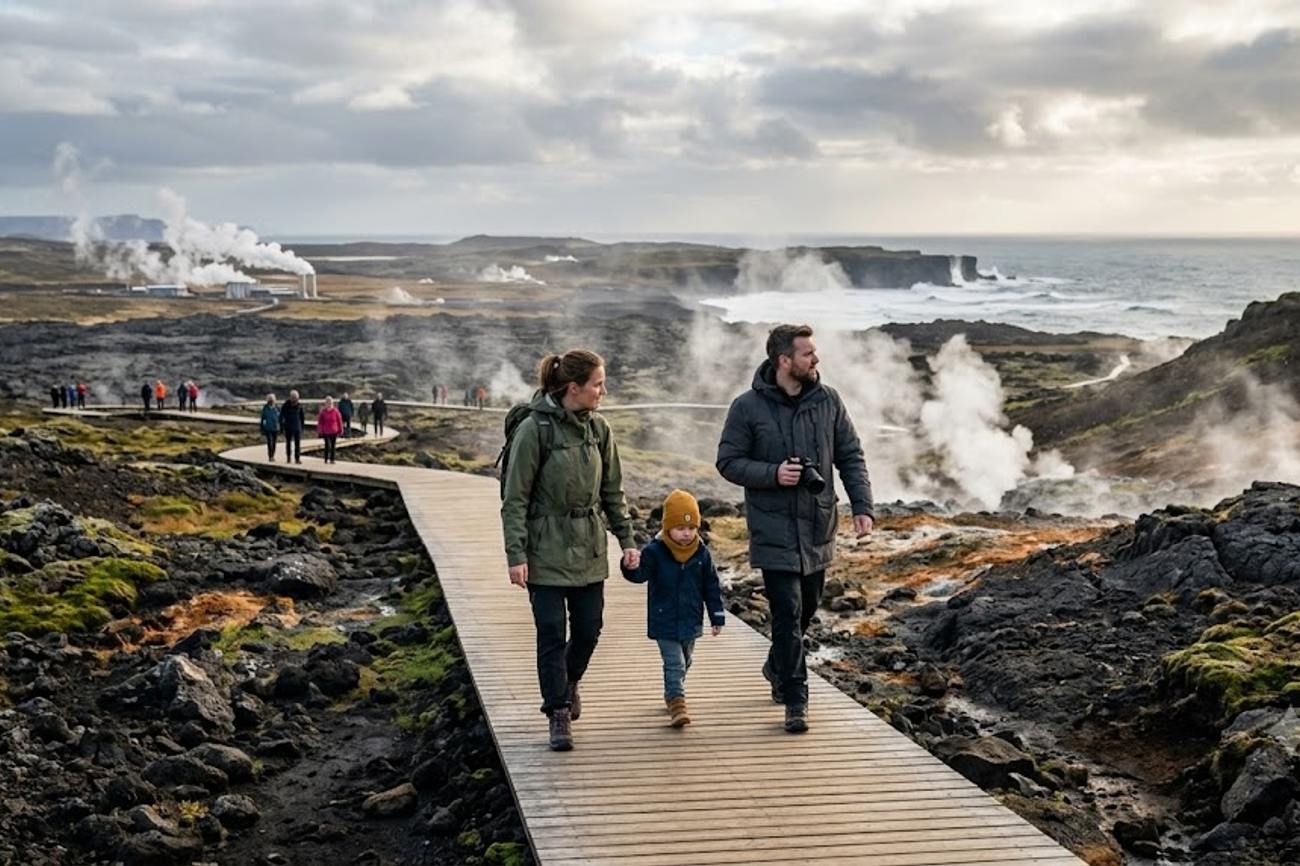
Image generated by AI
Travel Trend Analysis: The Rise of "Secondary Nature" Destinations Date: May 22, 2024 Analyst: Nomad Lawyer Industry Research Topic: Diversification of US Mountain-Lake Tourism
The shift toward "dupe" destinations is accelerating, with travelers increasingly swapping high-density hubs like Lake Tahoe for secondary nature markets to avoid the infrastructure strain of overtourism. While Lake Tahoe remains a primary anchor for alpine tourism, the movement toward lesser-known freshwater landscapes suggests a strategic pivot in consumer behavior: prioritizing "quiet luxury" and ecological serenity over brand-name recognition. This mirrors a broader global pattern where travelers are actively seeking destinations that offer the same visual and recreational utility as famous landmarks but without the associated congestion and price premiums.
The Diversification of Alpine Tourism in Numbers
The current movement away from primary hubs is not merely a preference for quiet; it is a response to the tangible pressures on local tourism infrastructure. In high-traffic zones like the California-Nevada border, the saturation of roads and parking facilities has created a tipping point for the "slow travel" demographic. The data suggests a redistribution of visitors toward ten specific secondary markets across the United States, each offering a distinct subset of the "Tahoe Experience."
These alternatives are categorized by their specific environmental drivers:
- Glacial Terrain: Destinations like Lake Willoughby (Vermont) and Wallowa Lake (Oregon) leverage their glacial origins to provide the dramatic verticality typically associated with the Sierra Nevada.
- Forested Seclusion: Priest Lake (Idaho) and Swan Lake (Montana) capitalize on the Selkirk and wilderness mountain ranges to attract those seeking lower human-to-acreage ratios.
- Water-Centric Recreation: Newfound Lake (New Hampshire), covering approximately 4,100 acres, and Lake Glenville (North Carolina), with its 26 miles of shoreline, target the boating and swimming segments.
The shift is particularly evident in the Northeast and Northwest, where regional benchmarks for "nature-focused holidays" are moving away from a few concentrated points toward a distributed network of smaller lakes. This decentralization helps mitigate the "overtourism" effect that often degrades the natural resources of primary destinations.
Comparative Regional Benchmarks
To understand the scale of this shift, we must compare the primary "anchor" destination against the emerging secondary markets. While Lake Tahoe provides a comprehensive "all-in-one" infrastructure (skiing, boating, luxury hotels), the secondary markets offer specialized experiences. For instance, the elevation of Mount Howard at Wallowa Lake (approximately 8,200 feet) provides a competitive alpine peak experience that rivals the heights of the Tahoe basin, but with a fraction of the foot traffic.
The following table breaks down the regional alternatives based on their primary travel utility compared to the traditional Tahoe model:
| Secondary Destination | State | Primary Data Driver | Comparative Utility vs. Lake Tahoe |
|---|---|---|---|
| Priest Lake | Idaho | Selkirk Mountain Forest | High-seclusion boating & snowshoeing |
| Lake Glenville | North Carolina | 26-mile shoreline | Eastern US turquoise water alternative |
| Wallowa Lake | Oregon | 8,200 ft (Mt. Howard) | Glacial alpine peaks & tramway access |
| Lake Willoughby | Vermont | Glacial steep terrain | Dramatic verticality / New England alpine |
| Newfound Lake | NH | 4,100-acre spring-fed | High-clarity water / Spring-fed ecosystem |
| Moosehead Lake | Maine | Large-scale wilderness | Remote wildlife viewing & cliff scenery |
| Lake Ouachita | Arkansas | Warm-weather climate | Scuba diving & kayaking focus |
| Lake Jocassee | South Carolina | Mountain stream fed | Diving & waterfall integration |
| Lake Almanor | California | Lassen Peak proximity | Regional proximity with lower density |
| Swan Lake | Montana | Wilderness adjacency | Maximum quietude / Low-impact hiking |
This redistribution of travel is supported by data from the World Tourism Organization (UNWTO), which indicates a global rise in "off-the-beaten-path" travel as a means of sustainable tourism management. By spreading the passenger load across ten different states rather than two, the industry reduces the ecological footprint on any single watershed.
What This Means for Travelers
For the individual traveler, the data indicates that the "peak season" at primary destinations is becoming increasingly untenable due to parking shortages and traffic congestion. If you are planning a nature-focused trip in 2024 or 2025, the strategic move is to book "secondary" lakes during their specific seasonal windows.
Actionable Booking Advice:
- The New England Window: For Newfound Lake (NH) and Lake Willoughby (VT), avoid the peak holiday weekends. Data shows that Wellington State Park experiences extreme demand spikes; booking accommodations 12-16 weeks in advance is now essential to secure proximity to the shoreline.
- The Northwest Seasonal Gap: Wallowa Lake (OR) has a significantly shorter warm-weather recreation window than Lake Tahoe. Travelers should target a narrow 8-12 week window between late June and early September to ensure the tramway to Mount Howard is operational and the alpine peaks are accessible.
- The Diversification Strategy: Instead of a single-destination trip to California, consider a multi-state "Lake Circuit." Integrating Lake Almanor (CA) with other mountain lakes reduces the reliance on high-congestion corridors while maintaining the alpine aesthetic.
Travelers should also monitor IATA reports on regional airport expansions. Many of these secondary lakes are served by smaller regional hubs, meaning flight availability may be more constrained than at the major airports serving the Tahoe basin.
Forward Projection: The "Dupe" Economy
Based on current trajectory, we expect the "Destination Dupe" trend to evolve into a formalized market segment. We are seeing a transition from "Accidental Discovery" to "Data-Driven Selection." Travelers are no longer choosing destinations based on brochures, but on specific metrics: water clarity, elevation, and "crowd density" ratings.
As infrastructure in primary hubs continues to struggle under the weight of year-over-year growth, we project a 15-20% increase in visitation to secondary markets like Priest Lake and Lake Jocassee over the next 36 months. This will likely lead to a "gentrification" of these quiet retreats, where boutique lodging and specialized outdoor guides will begin to replace the current rustic offerings. The window for experiencing these locations in their current "undiscovered" state is closing.
The industry is moving toward a model of "Distributed Tourism," where the goal is no longer to get everyone to the most famous lake, but to match the traveler's specific desire (e.g., "glacial peaks" or "spring-fed clarity") with the most efficient, least-crowded geographical match.
FAQ: US Mountain Lake Trends 2024
Will prices at secondary lakes rise as they become more popular? Yes. As demand shifts from primary hubs like Lake Tahoe to destinations like Priest Lake or Wallowa Lake, expect a moderate increase in short-term rental rates and boutique lodging prices over the next 24 months.
Is it better to book these destinations now or wait for last-minute deals? Book now. Because these locations have smaller infrastructure footprints (fewer hotels and parking spots) than major hubs, they reach capacity faster. Booking 3-4 months in advance is recommended for peak summer.
Which of these lakes is best for high-altitude experiences? Wallowa Lake in Oregon is the strongest data match for altitude seekers, offering a tramway to Mount Howard at approximately 8,200 feet, mimicking the high-alpine feel of the Sierra Nevadas.
Are these alternatives as accessible as Lake Tahoe? Generally, no. While Tahoe has extensive transit and airport links, secondary lakes often require more driving and regional flights. Check regional airport schedules via OAG to plan your logistics.
The era of the "must-visit" landmark is fading, replaced by a data-driven search for serenity.
#PriestLakeGrowth2024 #WallowaLakeAlpineTrends #USFreshwaterDiversification #SecondaryNatureMarkets #OvertourismMitigation2025
Related Travel Guides
- Solomon Islands Expands Munda Noro Access as Travel Technology Supports eVisa and Digital Border Processing
- Singapore Advances With Indonesia and Others as Cruise Expansion Tests Travel Technology Across ASEAN Borders
- Visa Study Shows Adoption of Digital Remittances Accelerates in Asia Pacific, with Trust Emerging as a Critical Enabler
Disclaimer
This article is for informational and educational purposes only. It does not constitute legal, financial, or professional advice. While we strive to provide accurate and up-to-date information, travel policies, regulations, and conditions change rapidly. Always verify information with official sources before making travel decisions. Nomad Lawyer makes no representations about the accuracy, reliability, completeness, or suitability of the information provided. Readers should consult qualified professionals for advice specific to their circumstances. The views expressed in this article are those of the author and do not necessarily reflect the views of Nomad Lawyer.
Naina Thakur
Contributor & Travel Specialist
Travel enthusiast and legal writer covering visa regulations, responsible tourism, and cultural journeys across global destinations.
Learn more about our team →