
Bali Tourism Reaches Iconic Heights As Smooth Aviation Infrastructure Redefines Island Travel In Indonesia, Find Out Now
Bali Tourism Reaches Iconic Heights As Smooth Aviation Infrastructure Redefines Island Travel In Indonesia, Find Out Now

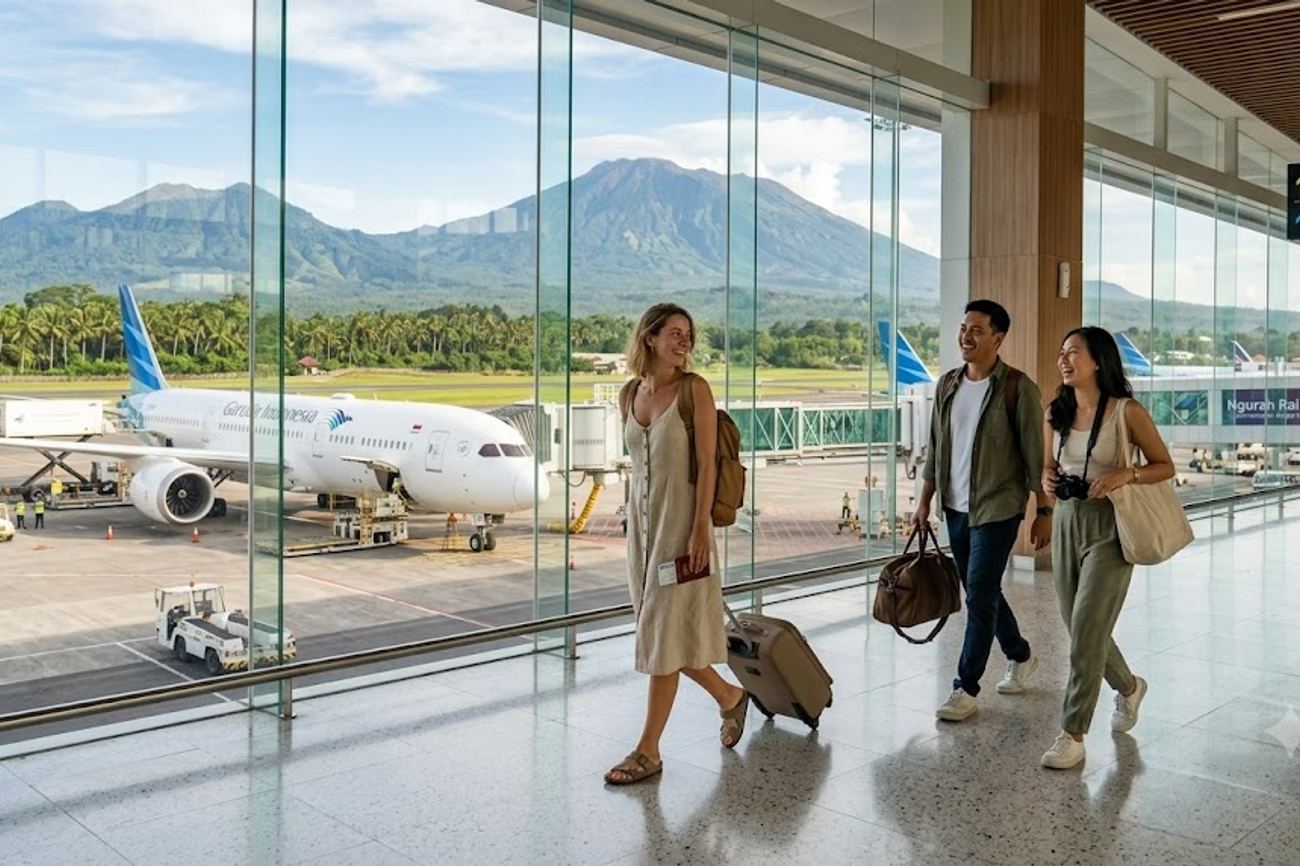
Image generated by AI
Most visitors to Bali see only the serene beaches and tiered rice paddies, but the island's true operational heartbeat is a massive aviation machine that processed over 13 million passengers across 80,000 flights in just two years. This staggering volume of movement is managed by thousands of airport personnel and support staff who maintain a level of service that blends high-efficiency logistics with the traditional Balinese philosophy of warm hospitality.
The Shift Toward Seamless Transit Hubs
Bali is currently transitioning from a simple holiday destination into a sophisticated regional aviation node. The sheer scale of arrivals—split between 8.5 million international visitors and 4.7 million domestic travelers—has forced a total rethink of how people move from the tarmac to the hotel. The island is no longer just relying on the traditional "taxi queue" model; instead, it is integrating into a wider Asian travel network.
The most dominant international corridor is the flight path from Singapore, where the high frequency of short-haul shuttles from Changi Airport allows travelers to treat Bali as a flexible extension of their Southeast Asian itineraries. Simultaneously, the domestic link to Cengkareng (Jakarta) remains the most vital artery for internal tourism. This dual-stream reliance on both the Singaporean hub and the Indonesian capital creates a balanced economic shield. When international markets fluctuate, the steady flow of visitors from Java and other provinces ensures that local hospitality ventures remain solvent.
This infrastructure evolution is particularly evident in the "bleisure" trend. Because the flight corridors between Jakarta, Singapore, and Bali are operating at maximum capacity, business professionals are increasingly blending corporate trips in financial centers with quick weekend retreats to the coast. This shift is blurring the lines between work and play, turning the island into a sanctuary for the regional corporate class.
What Makes Bali’s Connectivity Unique
Unlike many tropical destinations that struggle with "last-mile" logistics, Bali is leveraging its high visitor volume to fund a transition toward modern, low-emission transit. The geographic bottleneck of the island—narrow roads and high-density coastal zones—has led to the deployment of dedicated electric shuttle corridors. These systems are designed to whisk passengers from the terminal gates directly into the high-traffic hubs of Canggu, Seminyak, and Kuta, bypassing the chaotic surface traffic that often plagues private transport.
Beyond the roads, the introduction of battery-electric tram networks marks a significant departure from traditional Balinese transport. By creating light-rail connections that bypass congested surface streets, the island is attempting to decouple its growth from its traffic problems. This strategic move ensures that the experience of arriving in paradise isn't marred by hours of gridlock, preserving the "divine" feeling that draws people to the island in the first place.
The connectivity also reflects a deep cultural tie with Australia. Roughly 25% of the 4 million foreign arrivals during the recorded period originated from Australia, specifically from hubs like Sydney, Melbourne, and Perth. This isn't just a matter of proximity; it is a sustained economic relationship that supports the local service economy throughout both the peak and off-peak seasons.
Visitor Insider Tips
To navigate Bali like someone who actually lives here, you have to look beyond the standard tourist maps.
Bali's tourism sector continues to expand as the Indonesian government enhances aviation infrastructure to accommodate rising international arrivals. Travelers can find updated entry requirements and official travel advisories through the Ministry of Tourism and Creative Economy, ensuring a seamless transition from airport to resort.
Timing Your Arrival: If you are flying in from Singapore or Jakarta, aim for mid-week arrivals. The "weekend rush" of corporate travelers and short-term vacationers can make airport transit significantly slower.
Navigating the Coast: Avoid hiring private cars for trips between Kuta and Seminyak during the 4:00 PM to 7:00 PM window. Instead, utilize the new electric shuttle corridors. These are faster, cheaper, and significantly more environmentally friendly than idling in a petrol-powered SUV.
The Entry Levy: Be prepared for the international tourist levy of $15 (150,000 IDR). While it may seem like another fee, this is a dedicated fund for the island's survival. Keep your digital receipt handy, as it is often checked at various checkpoints.
Where to Base Yourself: For those who want to avoid the heaviest crowds but stay connected, look for accommodations on the fringes of Canggu. You get the benefit of the new transit links without being in the center of the noise.
Local Etiquette: When interacting with airport and transit staff, a small nod and a "Suksma" (thank you in Balinese) goes a long way. The staff are the backbone of the island's efficiency, and acknowledging the local language is highly respected.
For more official guidance on entry requirements and travel protocols, visit the official Indonesia Travel portal.
Cultural and Environmental Context
The paradox of Bali is that its greatest asset—its natural beauty—is also its most vulnerable point. The arrival of 13.2 million people puts an immense strain on waste management, coastal stability, and water purity. To combat this, the local government has implemented a targeted infrastructure levy. The $15 entry fee is projected to generate over $60 million annually, which is earmarked specifically for ecological preservation.
These funds aren't going into a general government pot; they are targeted at community-level waste management plants and the restoration of rural eco-trails. By funding river cleanup systems and coastal erosion barriers, Bali is attempting to create a self-sustaining loop where the act of visiting the island directly finances its protection.
This approach is a blueprint for other high-volume destinations. By treating tourism as a funding mechanism for conservation rather than just a source of profit, Bali is attempting to mitigate the ecological footprint of millions of visitors. The goal is to ensure that the "earthy and divine" nature of the island isn't eroded by the very people who come to admire it. For those interested in how such sites are managed globally, the UNESCO World Heritage Centre provides excellent context on the balance between tourism and heritage preservation.
FAQ: Visiting Bali 2025
What is the best time to visit? The dry season (April to October) is most popular, but visiting during the shoulder months of May or September allows you to avoid the heaviest crowds while still enjoying excellent weather and efficient transit.
Do I need a visa? Visa requirements vary by nationality. Many travelers, including Australians and Singaporeans, can utilize Visa on Arrival (VoA) or e-VoAs. Always check the latest regulations via the official Indonesian immigration portal before flying.
How do I get from the airport to the resorts? While private taxis are available, the most efficient and sustainable options are the new electric shuttle corridors and the emerging battery-electric tram networks, especially for trips to Kuta, Seminyak, and Canggu.
Is it safe for solo travelers? Yes, Bali is generally very safe for solo travelers. The high volume of international visitors means there is a robust support system of hotels, transport, and English-speaking guides.
The true magic of Bali lies not in the destination, but in the seamless harmony between its ancient soul and its modern ambition.
Related Travel Guides
Disclaimer
This article is for informational and educational purposes only. It does not constitute legal, financial, or professional advice. While we strive to provide accurate and up-to-date information, travel policies, regulations, and conditions change rapidly. Always verify information with official sources before making travel decisions. Nomad Lawyer makes no representations about the accuracy, reliability, completeness, or suitability of the information provided. Readers should consult qualified professionals for advice specific to their circumstances. The views expressed in this article are those of the author and do not necessarily reflect the views of Nomad Lawyer.
Naina Thakur
Contributor & Travel Specialist
Travel enthusiast and legal writer covering visa regulations, responsible tourism, and cultural journeys across global destinations.
Learn more about our team →