
United States Boosts Solo Travel Appeal With Scenic Escapes, Cultural Cities And Coastal Adventures
United States Boosts Solo Travel Appeal With Scenic Escapes, Cultural Cities And Coastal Adventures

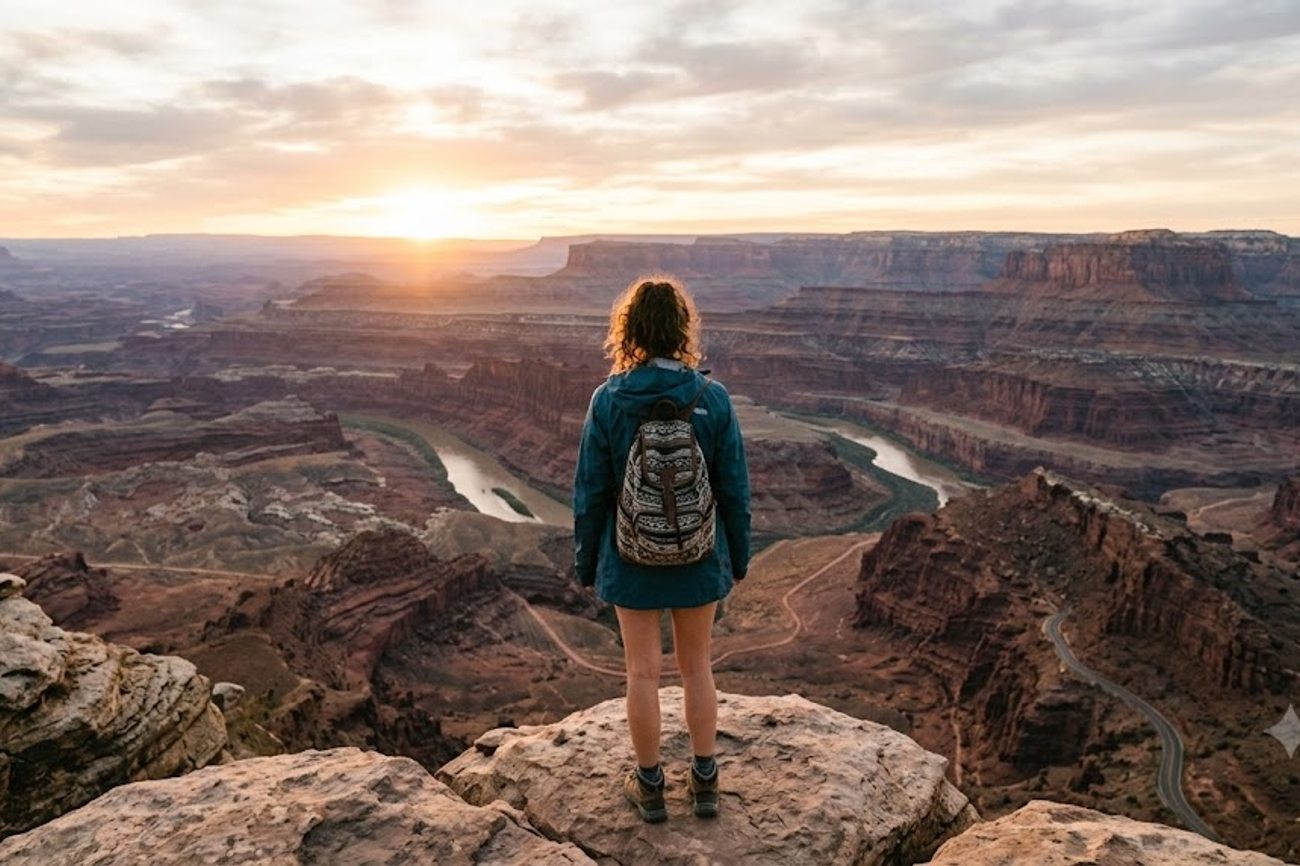
Image generated by AI
Analysis: Solo female travel in the United States is increasingly defined by a shift toward "interest-based" itineraries, where the primary driver is not the destination itself, but the pursuit of specific niche experiences—ranging from mid-century modernism in Palm Springs to ranch culture in Montana.
The Architecture of Independent Exploration
The current trend in solo female travel reflects a broader move away from traditional group tourism toward highly personalized, autonomy-driven journeys. This shift is not merely a social preference but a logistical one. By decoupling from the constraints of a companion or a rigid tour group, travelers are utilizing the United States' diverse geographic layout to curate experiences that align with specific psychological or professional goals, such as wellness, artistic inspiration, or historical research.
The appeal of the U.S. for this demographic lies in the variety of "entry points" into local culture. Whether it is the walkable urban grids of the Northeast or the expansive ranch lands of the West, the infrastructure supports different levels of social interaction. Some travelers seek total isolation in nature, while others use "social anchors"—such as guided food tours or creative workshops—to facilitate temporary connections without sacrificing their independence.
Regional Diversification and Activity Mapping
The logistical feasibility of solo travel varies significantly by region. In the East, the density of historic sites and the prevalence of walkable city centers reduce the reliance on rental cars, which is often a primary concern for solo visitors. In contrast, the Western and Southern regions require a more robust approach to transport and safety planning.
The following data outlines the primary hubs for solo female exploration and the specific value propositions of each:
| Destination | Primary Travel Driver | Core Activities & Infrastructure |
|---|---|---|
| Big Sky, MT | Agritourism/Outdoors | Horseback riding, Yellowstone access, Lone Mountain Ranch |
| Cody, WY | Western Heritage | Buffalo Bill Center of the West, Old Trail Town, walkable center |
| Carlsbad, CA | Wellness/Coastal | Oceanfront yoga, village walking tours, culinary excursions |
| Palm Springs, CA | Design/Architecture | Mid-century modernism, vintage retail, creative workshops |
| Boston, MA | Intellectual/Historic | Museum circuits, waterfront lodging, guided walking tours |
| Nantucket, MA | Slow Travel | Cycling infrastructure, beach access, historic districts |
| Kingston, NY | Arts/Gastronomy | Art galleries, historic architecture, local dining |
| North Fork, NY | Agrarian/Coastal | Farm-to-table dining, seafood, cycling paths |
| Key West, FL | Creative/Social | Artistic communities, yoga, social hubs |
| Miami, FL | Urban/Cosmopolitan | High-end dining, beach culture, urban art |
| Johns Island, SC | Eco-Tourism | Wildlife excursions, waterfront hiking, nature lodges |
| Nashville, TN | Entertainment | Live music venues, cultural districts, dining |
| Litchfield, CT | Rural Retreat | Scenic vistas, small-town exploration |
Expert Analysis: The Logistics of Autonomy
For the solo traveler, the transition from a "vacation" to an "independent journey" requires a sophisticated understanding of regional logistics. The data suggests a clear divide between "Urban-Walkable" and "Rural-Dependent" destinations.
For those booking routes through Boston or Kingston, the direct consequence is a lower barrier to entry; the proximity of museums to waterfront stays creates a safety net of visibility and accessibility. However, for those heading to Big Sky or Cody, the pricing and logistical pressure shift toward transportation. In these regions, the "social anchor" becomes critical. For example, events like Cowgirl Up Week at Lone Mountain Ranch serve a dual purpose: they provide the desired ranch experience while mitigating the isolation of solo travel by creating a curated peer group of women.
The pricing pressure in these "experience-heavy" destinations often manifests in the cost of guided excursions. While a solo traveler can walk through Boston for free, exploring Yellowstone from Cody or the wildlife of Johns Island typically requires paid guides. This creates a financial premium on safety and access. Travelers should recognize that in rural US destinations, the "independence" of solo travel is often purchased through the security of organized, professional tours.
Solo travelers can easily navigate the country's diverse landscapes by utilizing the extensive networks of major carriers like Delta Air Lines, which offer flexible booking options and streamlined digital check-ins. These logistical efficiencies allow independent explorers to transition seamlessly between bustling urban hubs and remote scenic escapes.
Furthermore, the rise of "Slow Travel" in areas like the North Fork of New York indicates a market shift. Travelers are no longer attempting to "see everything" but are instead investing in deep-dive experiences—such as farm-to-table dining and cycling—that allow for a slower metabolic pace of travel. This trend reduces the stress of transit and increases the quality of local interaction, which is a primary goal for the modern nomad.
To ensure these journeys remain sustainable and safe, travelers should utilize resources from the International Air Transport Association (IATA) for transit standards and the official Visit The USA portal for updated regional safety and tourism guidelines.
Key Takeaways
- Strategic Socializing: Use "anchor events" (e.g., Cowgirl Up Week) to balance total independence with social connection in isolated regions.
- Logistical Bifurcation: Distinguish between walkable urban hubs (Boston, Miami) and transport-dependent rural areas (Big Sky, Cody) during the budgeting phase.
- Interest-Based Routing: Shift from destination-centric planning to activity-centric planning, focusing on specific niches like mid-century design in Palm Springs or agritourism in North Fork.
- Safety through Structure: In nature-heavy destinations like Johns Island, prioritize guided excursions over solo hiking to manage risk and enhance the experience.
- Infrastructure Leverage: Utilize cycling and walking tours in Nantucket and Boston to maximize local immersion while maintaining personal autonomy.
FAQ: Solo Female Travel USA 2025
Which US destinations are best for solo women who prefer walking? Boston, Massachusetts, and Carlsbad, California, are top choices. Boston offers a dense network of historic sites and museums, while Carlsbad features a walkable village atmosphere with easy access to beaches and local shops.
How can a solo traveler meet people without joining a large tour group? Engage in "micro-social" activities. Creative workshops in Key West, oceanfront yoga in Carlsbad, or specialized events like those at Lone Mountain Ranch in Montana allow for organic interaction with peers and locals.
What is the safest way to explore rural US destinations like Wyoming or Montana? The most effective method is combining a walkable home base (like Cody's town center) with professionally guided excursions for outlying areas like Yellowstone, ensuring both safety and expert local insight.
Are there specific destinations for those interested in architecture and design? Palm Springs, California, is the premier destination for this interest, specifically known for its mid-century modern architecture, vintage shopping, and dedicated design workshops.
The modern solo journey is no longer about bravery—it is about the luxury of curated autonomy.
Tags: SoloFemaleTravelUSA, BigSkyMontana, PalmSpringsDesign, BostonCulture, USRegionalTourism2025, WomenTravelersUSA
Related Travel Guides
- United States Aligns With Sports Travel Growth As JetBlue Converts Airbus A320s For VIP Charters
- Kingston Aligns with Bridgetown as Caribbean Airlines and More Have Direct Flights Boosting Saint Lucia Tourism Connectivity
- Qantas And The Boeing 777 A Fleet Strategy Shaped By Long Haul Travel And Aircraft Choices
Disclaimer
This article is for informational and educational purposes only. It does not constitute legal, financial, or professional advice. While we strive to provide accurate and up-to-date information, travel policies, regulations, and conditions change rapidly. Always verify information with official sources before making travel decisions. Nomad Lawyer makes no representations about the accuracy, reliability, completeness, or suitability of the information provided. Readers should consult qualified professionals for advice specific to their circumstances. The views expressed in this article are those of the author and do not necessarily reflect the views of Nomad Lawyer.
Kunal K Choudhary
Co-Founder & Contributor
A passionate traveller and tech enthusiast. Kunal contributes to the vision and growth of Nomad Lawyer, bringing fresh perspectives and driving the community forward.
Learn more about our team →