
Sweden Unlocks Viking Heritage Travel With Authentic History Experiences Beyond Myths
Sweden Unlocks Viking Heritage Travel With Authentic History Experiences Beyond Myths

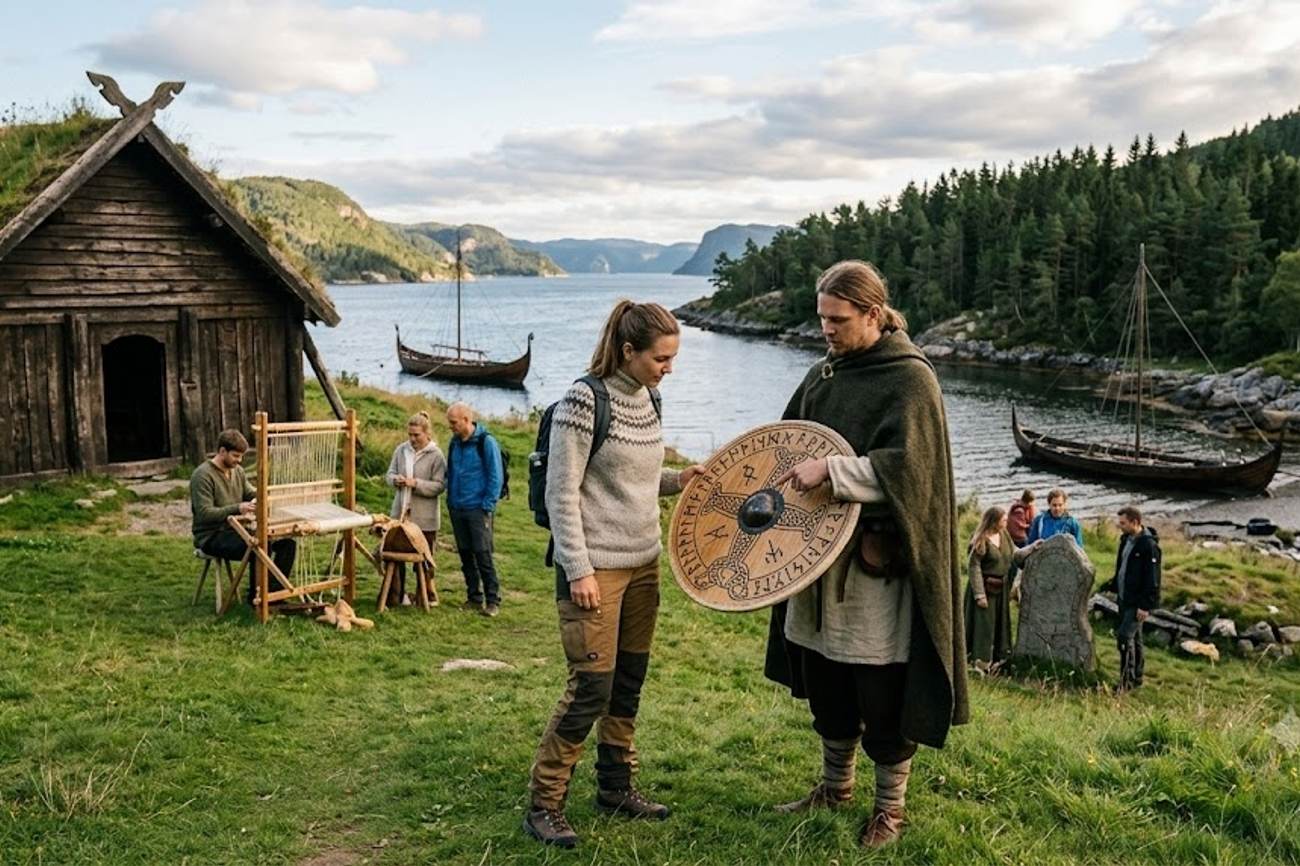
Image generated by AI
Thousands of rune stones scattered across the Swedish countryside serve as the primary physical ledger for a historical era spanning from the late eighth century to the eleventh century. This vast network of archaeological markers, combined with a strategic pivot by Visit Sweden, signals a shift in how the Nordic region commodifies its past. Sweden is aggressively moving away from the "warrior-raider" trope—a narrative often skewed by popular media—to instead market the Viking Age as a sophisticated system of trade, craftsmanship, and early globalization. For the modern traveler, this means a transition from passive sightseeing to immersive, evidence-based cultural tourism.
The Pivot Toward Authentic Heritage Logistics
The current strategy employed by Swedish tourism authorities is designed to decentralize the visitor experience. By highlighting the "everyday life" of the Norse people, Sweden is attempting to distribute tourist traffic from the saturated center of Stockholm into rural provinces where burial mounds and ancient settlements are located. This is not merely a cultural choice but a logistical one; by promoting the Viking Age as a study of farming and trade, the state encourages longer stays in regional hubs.
The focus has shifted toward the "civilian" Viking. The narrative now emphasizes the role of the Norse as farmers, explorers, and master craftspeople who maintained complex social structures. This repositioning allows Sweden to compete in the "educational tourism" sector, attracting a demographic of high-spend, slow-travelers who prioritize authenticity over spectacle. The integration of digital storytelling and reconstructed environments is intended to bridge the gap between the starkness of a rune stone and the complexity of an 8th-century trade agreement.
Mapping the Viking Geographic Footprint
The physical distribution of Viking sites in Sweden creates a natural circuit for heritage travelers. The focus is primarily on the interaction between the maritime environment and inland settlements, reflecting the actual trade routes used over a millennium ago.
| Primary Site | Location | Core Historical Significance | Visitor Experience |
|---|---|---|---|
| Birka Viking City | Björkö, Lake Mälaren | Primary Scandinavian trade hub | Archaeological remains & reconstructed life |
| Gamla Uppsala | Uppland | Early royal and religious center | Royal burial mounds & pre-Christian history |
| Rune Stone Sites | Nationwide | Public records and commemorative markers | Open-air inscriptions & landscape study |
| The Viking Museum | Stockholm | Urban synthesis of Norse society | Immersive storytelling & artifact displays |
The logistics of visiting these sites often require a hybrid approach. While the Stockholm-based museums are easily accessible via urban transit, sites like Birka require ferry transport to the island of Björkö, adding a layer of maritime logistics that mirrors the original Viking travel experience. The International Air Transport Association (IATA) standards for sustainable travel are reflected in the push toward public transport and organized tours to reach these rural archaeological zones, reducing the carbon footprint of heritage tourism.
Expert Analysis: The Economic Shift to "Slow Heritage"
For the traveler booking a trip to Sweden, the direct consequence of this shift is a move toward "slow heritage." When a destination stops selling "battles" and starts selling "craftsmanship and trade routes," it changes the pacing of the itinerary. You are no longer visiting a single museum; you are tracing a network.
The pricing pressure created by this shift is subtle but present. By bundling Viking sites with "nature-based tourism" and "traditional Swedish food," the tourism board is increasing the average spend per visitor. They are transforming a historical curiosity into a comprehensive lifestyle experience. This is a classic move in destination management: moving from a "point-of-interest" model (where a tourist visits one site and leaves) to an "ecosystem" model (where the tourist stays in a rural lodge, eats local food, and visits three different rune stones).
Furthermore, the emphasis on shipbuilding and maritime exploration creates a bridge to Sweden's modern identity as a hub of innovation. By framing the Vikings as the original "international exchange" experts, Sweden is aligning its ancient history with its current economic brand. For the nomad lawyer or the corporate traveler, this means the "Viking experience" is being rebranded as a study in early entrepreneurship and geopolitical networking.
Key Takeaways
- Temporal Scope: The Viking Age in Sweden is defined as the period from the late 8th century through the 11th century.
- Site Diversity: Heritage is split between immersive urban museums (Stockholm) and remote archaeological sites (Birka, Gamla Uppsala).
- Narrative Shift: Tourism is pivoting from "warrior myths" to "civilian realities," focusing on trade, farming, and social hierarchy.
- Logistical Planning: Many key sites are seasonal; summer is the peak window due to daylight hours and the accessibility of outdoor burial mounds.
- Integrated Travel: The experience is designed to be paired with coastal exploration and traditional craft workshops to extend the length of stay.
FAQ: Viking Tourism Sweden 2025
What is the best time of year to visit Viking sites in Sweden? Summer is the optimal window. Many archaeological sites and burial mounds are outdoors and best experienced during the long daylight hours. Additionally, seasonal guided tours and reconstructed settlement events typically peak between June and August.
Do I need to book tickets for the Viking Museum in Stockholm in advance? Yes, it is highly recommended to book online. As one of the primary entry points for Viking history in the capital, the museum utilizes immersive storytelling and digital experiences that often have timed entry slots to manage crowd flow.
How do I get to Birka Viking City? Birka is located on the island of Björkö in Lake Mälaren. Access is primarily via boat. Visitors typically take a ferry or organized tour from Stockholm, reflecting the maritime nature of the original trading center.
Are the rune stones free to visit? Most rune stones are located in the open Swedish landscape and are free to access. However, they are often spread across rural areas, meaning you will need a rental car or a guided tour to find the most significant inscriptions.
Tracing the lines of an 8th-century trade route is the ultimate exercise in understanding the origins of the modern global economy.
Tags: Birka, Gamla Uppsala, Visit Sweden, Viking Age Heritage, Scandinavian Archaeology, Stockholm Viking Museum
Related Travel Guides
- Nepal Set To Enter A New Travel Era With Powerful Passport Free System For Millions Of Foreign Visitors
- United Arab Emirates AlongSides Bahrain Unlock the Next Big Tourism Boom With Advanced Connectivity and Smart Travel Solutions
- Australia Card Surcharge Ban Is Now Set to Unlock Better Travel Prices and More Clarity at the Checkout
Disclaimer
This article is for informational and educational purposes only. It does not constitute legal, financial, or professional advice. While we strive to provide accurate and up-to-date information, travel policies, regulations, and conditions change rapidly. Always verify information with official sources before making travel decisions. Nomad Lawyer makes no representations about the accuracy, reliability, completeness, or suitability of the information provided. Readers should consult qualified professionals for advice specific to their circumstances. The views expressed in this article are those of the author and do not necessarily reflect the views of Nomad Lawyer.
Naina Thakur
Contributor & Travel Specialist
Travel enthusiast and legal writer covering visa regulations, responsible tourism, and cultural journeys across global destinations.
Learn more about our team →