
Nepal Set To Enter A New Travel Era With Powerful Passport Free System For Millions Of Foreign Visitors
Nepal Set To Enter A New Travel Era With Powerful Passport Free System For Millions Of Foreign Visitors

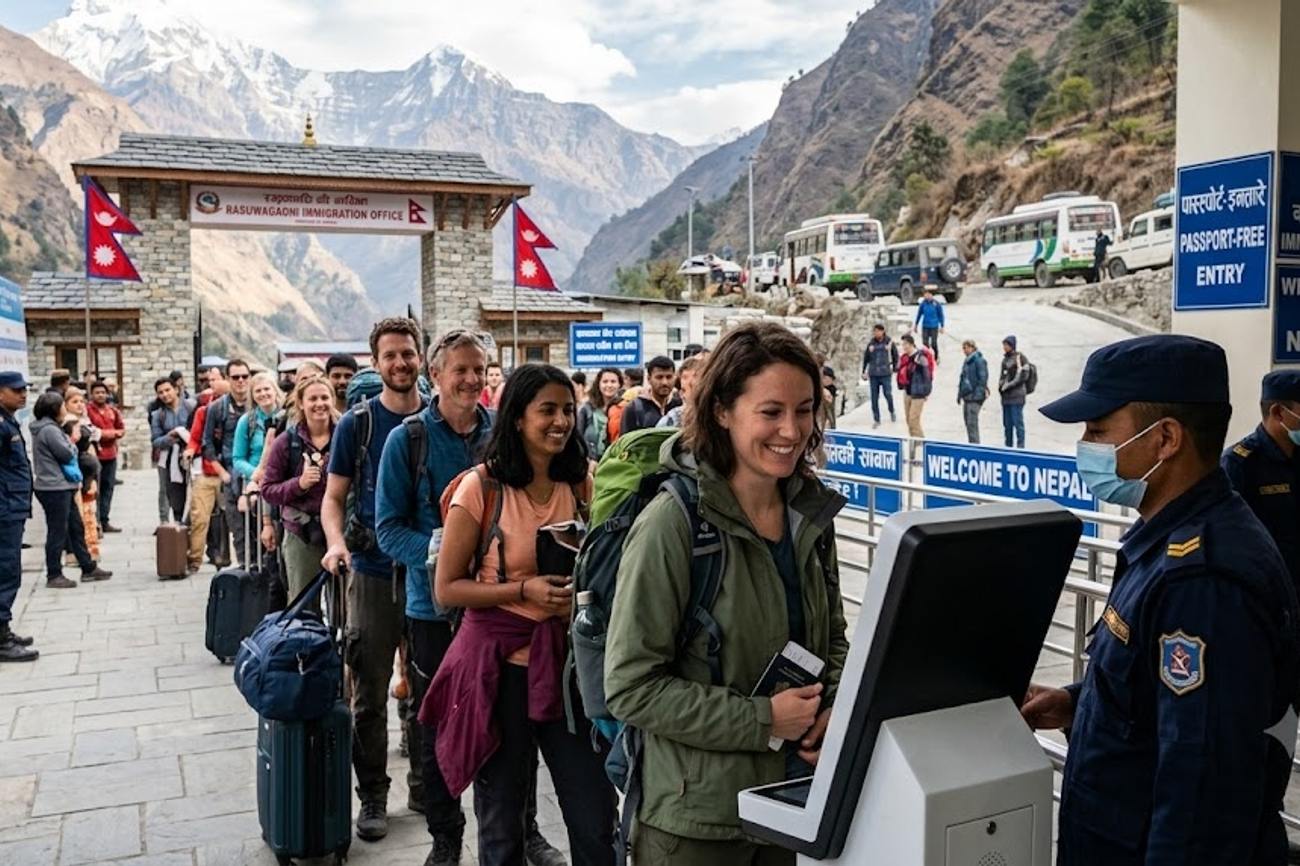
Image generated by AI
[Kathmandu, October 2023] — Nepal is launching a digital travel framework that will allow international tourists to navigate the country without the need to carry physical passports. The upcoming "Passport-Free Travel" system transitions identity verification to a smartphone-based application, enabling visitors to store visa and passport data digitally to access essential services.
The initiative is led by the Department of Immigration Nepal, which aims to modernize the visitor experience while tightening national security and monitoring. By integrating a mobile application compatible with both iOS and Android, the government intends to remove the administrative friction typically associated with domestic movement, hotel check-ins, and adventure tourism in remote regions.
The Digital Pivot in Immigration
The catalyst for this shift is the recurring difficulty foreign nationals face when navigating Nepal's fragmented tourism infrastructure. Currently, travelers must present original passports for a wide array of routine transactions, including domestic flight boarding, currency exchange, and trekking permit verification. This requirement creates a significant security risk for travelers who fear losing or damaging their primary travel documents while exploring high-altitude or remote terrain.
To solve this, the government is deploying a digital platform where visitors upload scanned copies of their passport and visa immediately upon arrival. Once verified, these digital records serve as the primary identification tool. This system is not a standalone app but is integrated into a broader state strategy to digitize the entire lifecycle of a tourist's stay—from the initial visa application to final departure.
This transition is underpinned by the Foreign Nationals Management Information System (FNMIS). The FNMIS acts as a centralized, real-time database that tracks the movement of international visitors across the country. By requiring tourism service providers to link their operations to this database, the government ensures that identity verification is instantaneous and synchronized across different sectors.
Entities and Markets Impacted
The rollout affects every segment of the international travel chain within Nepal. The following sectors are mandated or encouraged to integrate with the digital framework:
- Aviation: All domestic airlines operating flights between Kathmandu and regional hubs (such as Lukla or Pokhara) will accept digital records for passenger manifests.
- Hospitality: Hotels and guesthouses nationwide will utilize the app for check-in procedures, reducing the need for physical document scanning at the front desk.
- Adventure Tourism: Trekking agencies and mountain guides operating in the Everest and Annapurna regions will use the system to verify identities for permits.
- Financial Services: Authorized currency exchange centers will transition to digital verification for foreign currency transactions.
- Government Agencies: Immigration officers and regional authorities will have real-time access to visitor data via the FNMIS.
Current data indicates the scale of this integration is already substantial. More than 1,600 service providers have already linked their systems to the digital platform, and the government has already processed the data of over 180,000 foreign nationals through this framework.
What This Means for Travelers
For the average tourist, this change translates to a significant reduction in "document anxiety." Instead of keeping a passport in a hotel safe or risking its loss on a mountain trail, travelers can rely on their smartphones.
Practical Impact Assessment:
- Reduced Risk: The primary benefit is the mitigation of loss. If a physical passport is misplaced, the digital record provides a verified backup that can expedite the process of obtaining emergency travel documents through an embassy.
- Faster Processing: Check-in times at domestic airports and hotels are expected to drop as the need to manually transcribe passport numbers is replaced by digital verification.
- Simplified Payments: The system is designed to eventually integrate payment services, allowing tourists to handle various service fees via their smartphones.
- Enhanced Safety: In the event of a natural disaster or extreme weather event—common in the Himalayas—the Nepal Tourism Board and emergency responders can use the FNMIS to pinpoint the general location of foreign nationals for faster rescue operations.
The Road to Full Implementation
The transition to a digital-first immigration system is part of a larger geopolitical trend where nations are replacing physical stamps and paper visas with biometric and digital identities. Nepal is positioning itself to compete with other global adventure hubs by removing the "red tape" that often hampers the movement of high-spending international tourists.
The immediate next steps involve the full public release of the mobile application to the general population and the mandatory onboarding of all remaining registered trekking and travel agencies. The government is focusing on ensuring that the digital infrastructure can handle the surge of visitors during peak trekking seasons.
Furthermore, the integration of the FNMIS allows the government to analyze tourism patterns with unprecedented accuracy. By seeing where tourists congregate and how they move between cities and remote trails, the state can better allocate resources for infrastructure and safety.
FAQ: Nepal Digital Travel 2023
Do I still need to bring my physical passport to Nepal? Yes. You must present a physical passport to enter and exit the country at international borders. The digital system is designed for internal movement and services after you have cleared customs.
Is the digital app mandatory for all tourists? While the system is designed to be the primary method of verification, it is intended to simplify travel. However, as more hotels and airlines integrate with FNMIS, using the app will become the fastest way to access services.
What happens if my phone dies or is stolen while trekking? Physical passports remain the ultimate legal proof of identity. Travelers are still encouraged to keep a secure backup of their documents, although the digital system allows authorities to verify your identity via the FNMIS database.
Which smartphones are compatible with the system? The official application is being developed for both Android and Apple iOS platforms to ensure maximum accessibility for the widest range of international visitors.
Nepal is trading the passport booklet for the smartphone, betting that digital ease will drive record-breaking tourism growth.
#NepalImmigration #FNMIS #KathmanduTravel2023 #DigitalPassportNepal #NepalTourismBoard #VisitNepalDigital
Related Travel Guides
- United Arab Emirates AlongSides Bahrain Unlock the Next Big Tourism Boom With Advanced Connectivity and Smart Travel Solutions
- Australia Card Surcharge Ban Is Now Set to Unlock Better Travel Prices and More Clarity at the Checkout
- NAB Travel Launches in Australia With Expedia Technology to Offer Easier Holiday Booking and Rewards
Disclaimer
This article is for informational and educational purposes only. It does not constitute legal, financial, or professional advice. While we strive to provide accurate and up-to-date information, travel policies, regulations, and conditions change rapidly. Always verify information with official sources before making travel decisions. Nomad Lawyer makes no representations about the accuracy, reliability, completeness, or suitability of the information provided. Readers should consult qualified professionals for advice specific to their circumstances. The views expressed in this article are those of the author and do not necessarily reflect the views of Nomad Lawyer.
Preeti Gunjan
Contributor & Community Manager
A passionate traveller and community builder. Preeti helps grow the Nomad Lawyer community, fostering engagement and bringing the reader experience to life.
Learn more about our team →