Arrivals Rise Fourfold

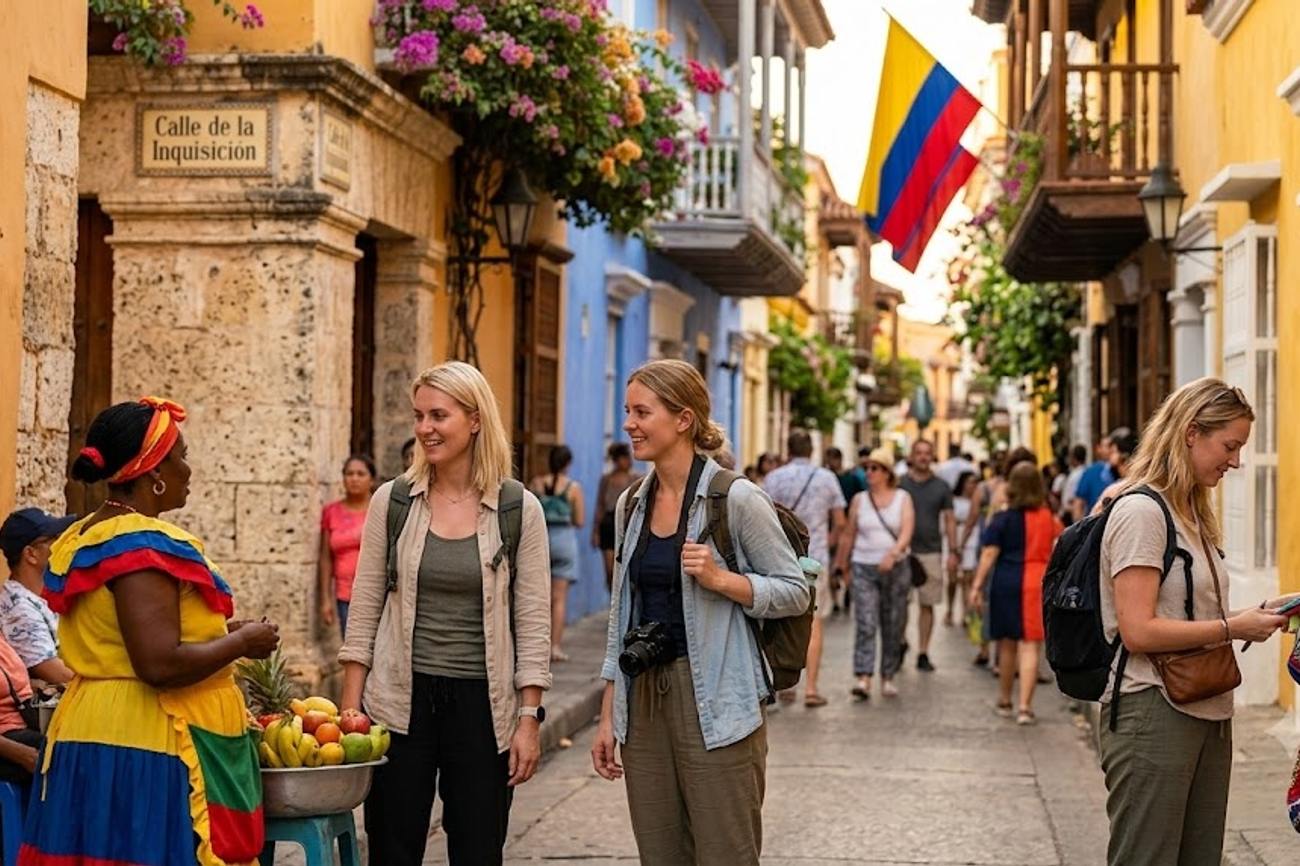
Image generated by AI
A 180.5% surge in arrivals between 2021 and 2022 marks the beginning of a structural shift in Colombia's tourism demographics, as Nordic travelers aggressively pivot toward South American destinations. This rapid acceleration indicates that the traditional reliance on North American and domestic markets is diversifying, with Sweden, Denmark, Norway, and Finland emerging as high-value source markets. By 2025, the volume of Nordic visitors reached 20,113 travelers, representing a 3.5% year-over-year increase. This growth is not merely a post-pandemic recovery but a fundamental change in travel psychology, where Northern Europeans are trading traditional European circuits for long-haul, experience-driven journeys in the tropics.
The Nordic Pivot to Andean Tourism
The shift toward Colombia is driven by a specific set of consumer preferences prevalent in Scandinavia: a demand for nature-centric, sustainable, and wellness-oriented itineraries. Unlike the mass-market tourism seen in the Caribbean, Nordic travelers are utilizing Colombia as a hub for "slow travel." This is evidenced by the prevalence of extended stays, with a significant portion of this demographic remaining in the country for 21 nights or more.
This demographic is not monolithic. While 25% of these visitors fall within the 21-to-30 age bracket—seeking adventure and discovery—there is a parallel growth in an older, affluent segment that prioritizes privacy, design-led luxury, and authentic cultural immersion. The timing of these visits is heavily seasonal, peaking between November and March, as travelers flee the European winter for the Caribbean coast and tropical interior.
Economic Footprint and Expenditure Data
The financial impact of the Nordic market is characterized by higher-than-average per-capita spending, particularly in specialized niches. While Bogotá serves as the primary entry point and the center for total aggregate spending, it is not where the highest individual value is captured. The data reveals a stark contrast between urban hubs and island destinations.
The following table breaks down the average spending per card across Colombia's primary Nordic hotspots:
| Destination | Average Spending per Card (USD) |
|---|---|
| San Andrés | $506 |
| Cartagena | $250 |
| Medellín | $214 |
| Bogotá | $206 |
| Santa Marta | $177 |
Beyond destination-specific spending, the overall economic behavior of the Nordic traveler is skewed toward high-value service procurement. Average card spending reached US$320 per card, with an average transaction value of US$57. The allocation of these funds suggests a preference for pre-planned, professionalized travel over spontaneous, budget-led exploration. Travel agencies lead the spending categories at US$446 per card, followed by accommodation at US$374 per card and airlines at US$267 per card.
Sweden's alignment with Denmark and other Nordic countries has contributed to the significant growth of Colombia's tourism industry, with arrivals increasing fourfold in recent years. According to the Colombian Ministry of Commerce, Industry and Tourism, this surge in tourism can be attributed to improved air connectivity and strategic marketing efforts. As a result, Colombia has become an attractive destination for Nordic travelers, offering a unique blend of cultural and natural experiences.
Expert Analysis: The Connectivity Bottleneck and Market Risk
From a logistical standpoint, the current growth of the Nordic-Colombian corridor is an anomaly because it is occurring despite a total lack of direct air connectivity. For a market that values efficiency and seamless travel, the reliance on transit hubs is a significant friction point.
Currently, the International Air Transport Association (IATA) standards for long-haul efficiency are not being met on this route. The Netherlands has emerged as the indispensable gateway, with Amsterdam handling 20.9% of all Nordic connections to Colombia. This creates a strategic vulnerability: the growth of Colombian tourism in Sweden and Denmark is essentially tethered to the operational stability and pricing of hubs in Amsterdam.
For travelers booking these routes, the direct consequence is an increased travel time and a reliance on third-party carriers to bridge the gap. The pricing pressure this creates means that airfare remains a significant portion of the trip cost, yet the data shows Nordic travelers are willing to absorb this cost in exchange for the "authentic" experiences Colombia offers.
Furthermore, the preference for "sustainable luxury"—defined as privacy and ecological integrity rather than gold-plated opulence—means that Colombia's hospitality sector must pivot. The demand for boutique properties and rural hotels over international chain resorts indicates that the market is moving toward a decentralized tourism model. If Colombia can maintain the integrity of its coffee-growing regions and birdwatching ecosystems while improving air access, it could see a permanent shift in its economic reliance away from the US market.
Key Takeaways
- High-Value Demographics: Nordic travelers are spending significantly more per person in destinations like San Andrés ($506) compared to the capital city of Bogotá ($206).
- Extended Duration: The market is characterized by "slow travel," with many visitors staying 21 nights or longer, favoring multi-city itineraries over single-destination trips.
- Connectivity Gap: There are zero direct flights from Nordic countries to Colombia; Amsterdam is the primary transit hub, facilitating 20.9% of all arrivals.
- Sustainability Mandate: 25% of the market is aged 21-30, and across all ages, there is a rejection of generic "greenwashing" in favor of transparent, community-benefiting sustainable practices.
- Spending Priorities: Professional travel agencies are the highest expenditure category ($446 per card), indicating a preference for curated, high-end planning over independent backpacking.
FAQ: Colombia Nordic Travel 2025
What is the best time for Nordic travelers to visit Colombia? The peak season is from November to March. This allows travelers from Sweden, Norway, Denmark, and Finland to escape the European winter and enjoy the Caribbean coast and tropical landscapes during their warmest periods.
The rise in tourism has also led to an increase in passenger traffic at Colombia's major airports, including El Dorado International Airport in Bogotá. For travelers planning to visit Colombia, it is recommended to check with the Avianca airline for flight schedules and bookings, as well as to explore the various tourist attractions and experiences offered by the country. Additionally, the ProColombia tourism board provides valuable insights and information for visitors, helping to facilitate a seamless and enjoyable travel experience.
Which Colombian cities are most popular with Nordic tourists? Bogotá, Cartagena, and Medellín are the primary urban hubs. However, San Andrés is the top destination for per-person spending, reflecting a high demand for exclusive island experiences.
How do travelers from Scandinavia get to Colombia? Since there are no direct flights, most travelers use connecting routes. Amsterdam is the most frequent transit point, accounting for roughly 20.9% of all Nordic travel connections to the country.
What types of activities do Nordic visitors prefer in Colombia? There is a strong preference for nature-based and sustainable experiences, including birdwatching tours, wellness retreats, rural hotel stays, and immersive trips to the coffee-growing regions.
The growth of the Nordic market proves that for the modern high-net-worth traveler, the lack of a direct flight is a small price to pay for genuine ecological authenticity.
Tags: Colombia Tourism 2025, Nordic Travel Trends, San Andrés Tourism, Bogotá Air Connectivity, Sustainable Travel Colombia, Sweden-Colombia Trade
Related Travel Guides
- Greece Tourism Enters a New Phase as Travellers Seek Value Authenticity and Lesser Known Destinations: All You Need to Know
- Sri Lanka Strengthens Dambulla Sigiriya Tourism With New Attractions Infrastructure and Heritage Upgrades
- Germany Attracts More US Travellers as Cultural Experiences Luxury Stays and Heritage Tourism Drive Demand
This article is for informational purposes. Flight routes, passenger regulations, visa rules, and transit advisories are subject to change by airlines and aviation authorities. Readers are advised to verify schedules and travel documentation with relevant carriers and border agencies before departure.
Related Stories

Denver Museum of Illusions Expands to 8,700 Square Feet: 60 Exhibits, 16th Street Mall Reopening, and Colorado Family Travel Guide

Zen Awakening Festival 2026: Florida's Transformational Music, Mindfulness, and Arts Gathering in Fruitland Park