Greece Tourism Enters a New Phase as Travellers Seek Value Authenticity and Lesser Known Destinations: All You Need to Know

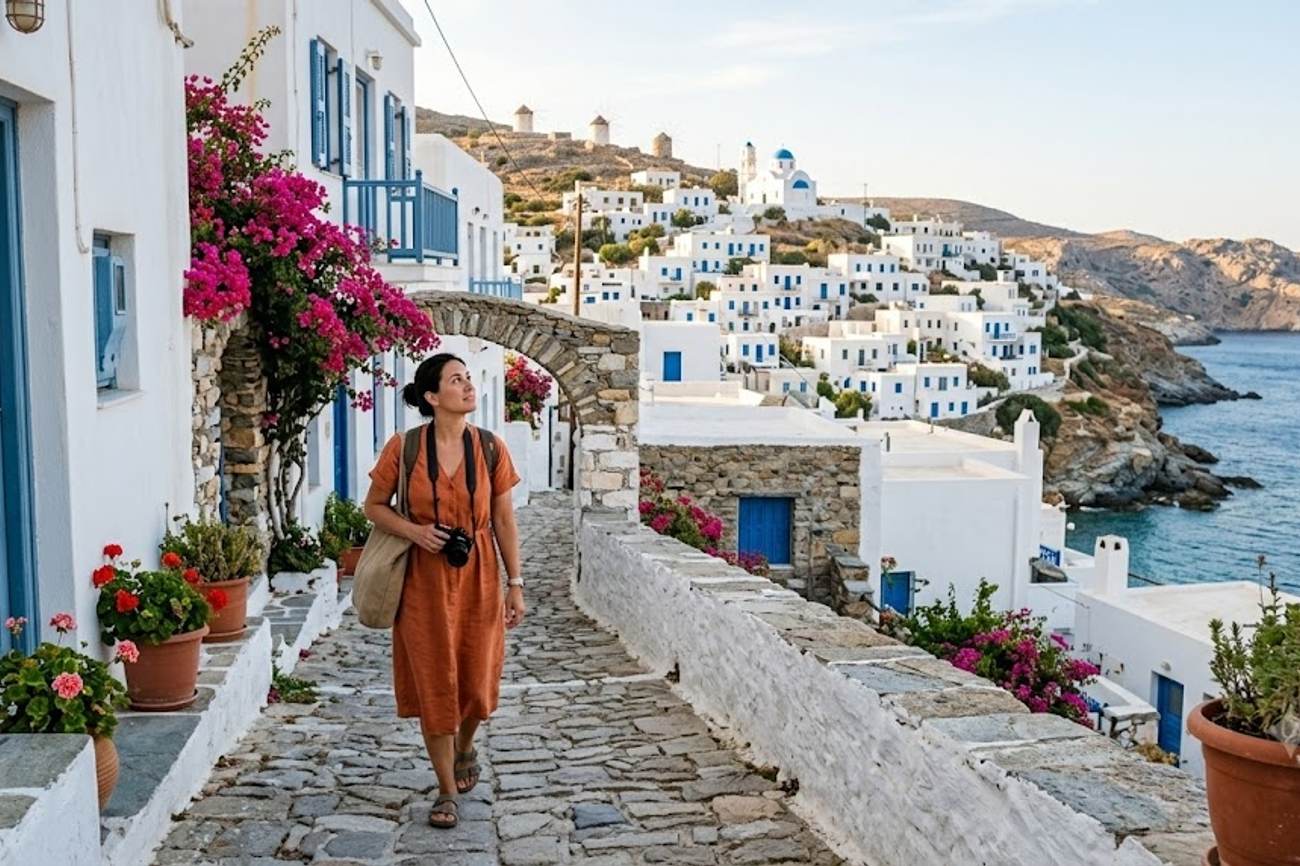
Image generated by AI
[Athens, October 2023] — Greece is aggressively pivoting its national tourism strategy to dismantle the "peak-season island" monopoly as international visitors shift toward value-driven, shorter, and more authentic travel experiences.
The Hellenic Republic is moving to diversify its economic reliance on summer hotspots like Santorini and Mykonos by promoting mainland regions, mountain landscapes, and lesser-known islands. This strategic shift comes as global travelers increasingly prioritize sustainable choices and off-season visits over traditional high-density tourism.
The Catalyst for Strategic Diversification
The Greek tourism sector is reacting to a fundamental change in global consumer behavior. While overall demand for the Mediterranean remains high, the "mass tourism" model—characterized by millions of visitors descending on a few coastal hubs between June and August—is becoming obsolete. Modern travelers are now more selective, comparing prices more rigorously and seeking "meaningful" journeys rather than checklist sightseeing.
This evolution is driven by several macroeconomic and social factors:
- Value Sensitivity: A rise in price-comparison culture is forcing Greek operators to offer better value-for-money packages.
- Duration Shifts: A trend toward shorter, more frequent trips requires the Greek National Tourism Organization (GNTO) to optimize travel efficiency and transit.
- Sustainability Mandates: A growing segment of the market now demands responsible travel options that minimize environmental footprints on fragile island ecosystems.
- Authenticity Seeking: There is a measurable pivot away from "tourist traps" toward smaller communities and genuine cultural immersion.
Market Impact and Regional Redistribution
The redistribution of tourist traffic is moving away from the traditional "Big Four" (Santorini, Mykonos, Rhodes, and Crete) and toward a broader geographical spread. This is intended to alleviate infrastructure strain and spread wealth to underdeveloped provinces.
| Emerging Growth Area | Primary Locations | Core Appeal |
|---|---|---|
| Urban Hubs | Athens, Thessaloniki | Gastronomy, museums, and year-round city breaks |
| Highlands | Epirus, Pelion | Adventure tourism, river trekking, and nature |
| Alternative Islands | Naxos, Milos, Tinos | Traditional village life and uncrowded beaches |
| Mainland Coasts | Peloponnese, Halkidiki | High-end coastal experiences with lower density |
| Wellness Zones | Various Regional Spas | Slow travel, mental health, and relaxation |
Athens, in particular, is no longer viewed as a mere transit point for the islands. The capital is being rebranded as a primary destination where ancient heritage is paired with contemporary neighborhood exploration and culinary tourism. Similarly, the Ministry of Culture and Sports is seeing increased interest in mainland archaeological sites and the mountain landscapes of Epirus, which cater to the growing adventure-travel demographic.
Practical Traveler Advisory and Strategic Insights
For the individual traveler, the "New Greece" strategy results in a tangible change in how trips are booked and experienced. The era of the all-inclusive, single-location summer resort is being supplemented by modular, multi-region itineraries.
1. Better Pricing in the "Shoulder" Seasons Travelers visiting in October, November, or March will find significantly lower rates and fewer crowds. The push for year-round tourism means hotels and airlines are increasingly offering incentives for off-peak travel.
2. Diversified Accommodation Options There is a move away from massive hotel complexes toward boutique stays, traditional guesthouses in mountain villages, and eco-lodges. This provides a more authentic experience but requires more proactive searching outside of major booking platforms.
3. Shift in Itinerary Planning Visitors are encouraged to combine urban stays in Thessaloniki or Athens with rural explorations in the Peloponnese. This reduces the "bottleneck" effect seen at major ports and airports during July and August.
4. Increased Focus on Wellness and Nature The rise of "slow travel" means more infrastructure for hiking, religious pilgrimage, and wellness retreats, making Greece a viable destination for those avoiding the beach-centric holiday.
Greece's tourism industry is experiencing a significant shift as travellers increasingly seek authentic experiences and lesser-known destinations. According to the Greek National Tourism Organization, the country is investing heavily in sustainable tourism initiatives and promoting off-the-beaten-path destinations. This move is expected to boost local economies and provide visitors with a more immersive experience.
Infrastructure Hurdles and Future Outlook
Despite the strategic pivot, the transition is not without friction. The Greek hospitality sector is currently battling a volatile environment characterized by rising operating costs and a chronic workforce shortage. The sudden surge in interest for "off-the-beaten-path" locations has placed unexpected pressure on local infrastructure in regions that were previously ignored by international markets.
To combat this, the government and private sectors are focusing on several critical upgrades:
- Digital Transformation: Massive investment in digital booking and communication tools to streamline the visitor experience in rural areas.
- Environmental Protection: Implementing stricter visitor management systems to prevent the "Santorini-effect"—where over-tourism degrades the very beauty that attracts visitors.
- Workforce Training: Addressing staffing gaps in the hospitality sector to ensure that the move toward "luxury and authenticity" is backed by professional service.
The long-term goal is a balanced tourism economy. By promoting maritime experiences, culinary journeys, and archaeological tours throughout the winter, Greece aims to stabilize its GDP and protect its coastal ecosystems from the destructive nature of seasonal concentration.
FAQ: Greece Travel Trends 2024-2025
Is it still worth visiting the popular islands like Santorini or Mykonos? Yes, but the experience is shifting. These locations remain iconic, but travelers are encouraged to visit during the shoulder seasons to avoid extreme crowds and inflated pricing.
Which mainland regions are best for nature lovers? Epirus is the top choice for mountain landscapes and river activities, while the Peloponnese offers a blend of coastal beauty and deep historical sites.
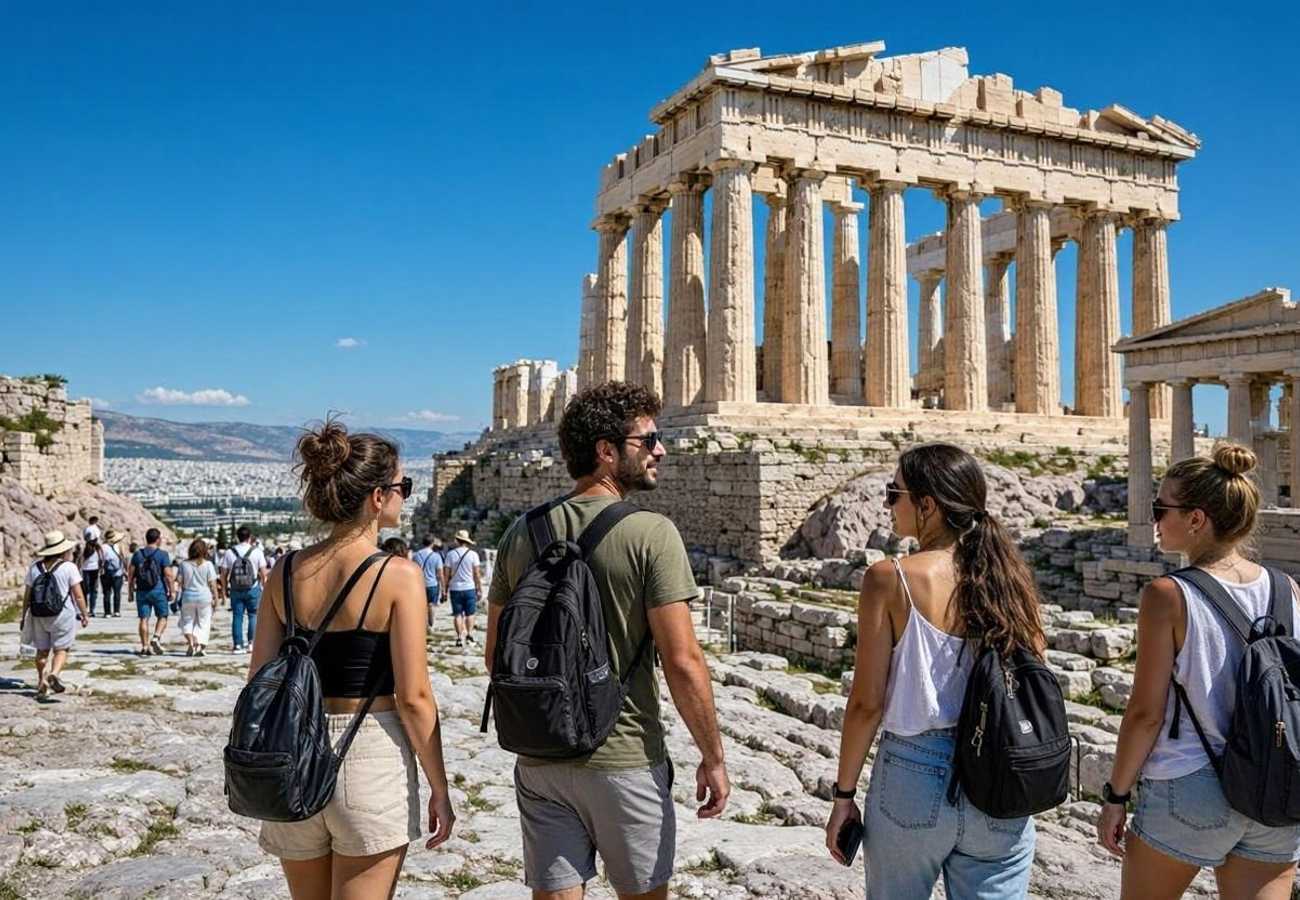
How is the "off-season" experience in Greece different from summer? Off-season travel offers lower costs, shorter queues at major sites like the Acropolis, and a more authentic interaction with locals who are not overwhelmed by peak-summer crowds.
Are there better value alternatives to the most famous islands? Yes. Islands such as Naxos, Milos, and Tinos provide similar Mediterranean beauty and traditional architecture but generally offer better value and a more authentic atmosphere.
The Greek sun is now shining on more than just the beaches.
Related Travel Guides
- Sri Lanka Strengthens Dambulla Sigiriya Tourism With New Attractions Infrastructure and Heritage Upgrades
- Germany Attracts More US Travellers as Cultural Experiences Luxury Stays and Heritage Tourism Drive Demand
- Vietnam's Côn Đảo Archipelago Unveils 2030 Eco-Tourism Master Plan Featuring 5.5km Cable Car System and 90,000 Visitor Cap
This article is for informational purposes. Flight routes, passenger regulations, visa rules, and transit advisories are subject to change by airlines and aviation authorities. Readers are advised to verify schedules and travel documentation with relevant carriers and border agencies before departure.
Related Stories

Denver Museum of Illusions Expands to 8,700 Square Feet: 60 Exhibits, 16th Street Mall Reopening, and Colorado Family Travel Guide
Greece Archaeological Site Visitors Surge 12.3% in July 2026 as Museum Attendance Dips