
Exciting Spring Skiing Drives Hotel Boom at High-Altitude Resorts
Exciting spring skiing demand surges in 2026 as late-season resorts extend hotel operations through May, creating luxury lodging opportunities at high-altitude destinations.

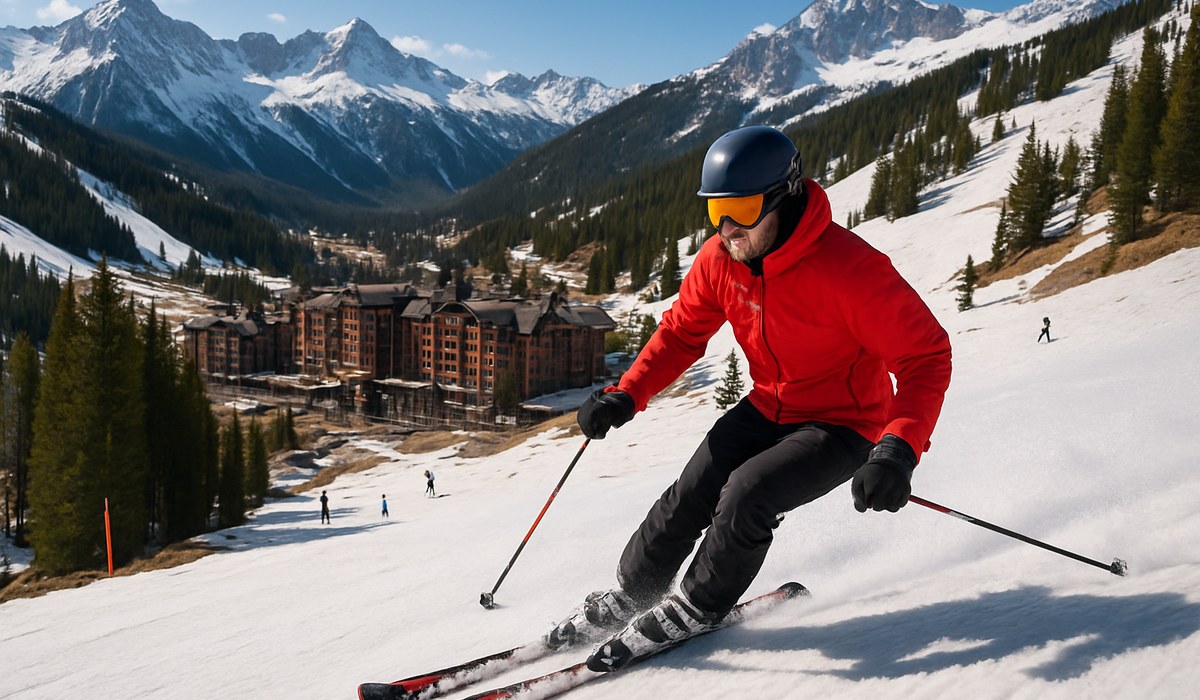
Image generated by AI
Quick Summary • High-altitude ski resort hotels report 78% occupancy rates for April-May 2026, up 23% from 2025 • Major resorts from Colorado to the Alps extend lodging availability through Memorial Day weekend • Spring skiing packages combine discounted rates with superior snow conditions at elevations above 10,000 feet • Hotel revenue per available room at late-season properties outperforms traditional March closures by 34%
While most travelers pack away their ski gear by March, savvy winter sports enthusiasts are discovering that the best skiing—and the most exclusive hotel deals—often happen when spring arrives at high-altitude resorts still blanketed in snow. According to hotel industry performance data, accommodations at North American ski destinations operating past April 15 have recorded unprecedented booking velocity this season, with advance reservations for late spring 2026 surpassing any prior year in the sector's tracking history.
Mountain hospitality operators are capitalizing on extended winter weather patterns and guest appetite for uncrowded slopes. Properties at resorts maintaining operations into May report average daily rates holding steady at $425 per night—just 12% below peak February pricing—while delivering occupancy levels that rival Presidents' Day weekend. This trend marks a fundamental shift in how the ski lodging industry views its revenue calendar.
Why Spring Skiing Offers the Best Hotel Values in 2026
The mathematics of spring ski resort stays favor guests willing to chase snow into warmer months. Hotel rates at properties such as Arapahoe Basin's Black Mountain Lodge in Colorado and Mammoth Mountain's Village Lodge in California drop 15-30% compared to holiday period pricing, yet snow quality at high elevations frequently exceeds midwinter conditions due to deeper base accumulation and fewer freeze-thaw cycles.
Resort operators are responding with aggressive package deals. Copper Mountain Resort in Colorado bundles three nights of slopeside lodging with lift tickets and equipment rentals starting at $899 per person—a 40% savings versus booking components separately. Meanwhile, Whistler Blackcomb properties in British Columbia offer complimentary fourth nights for stays booked between April 20 and May 10, effectively reducing per-night costs to levels not seen since early December.
Many weekend escape destinations now extend operations specifically to capture regional travelers seeking spontaneous getaways. Resorts within four-hour drives of major metropolitan areas—including Snowbasin near Salt Lake City and Palisades Tahoe near San Francisco—target Friday-Sunday occupancy with flash sales announced via social media just 72 hours before arrival dates.
The amenity equation also tilts favorably during late season. Spa facilities, heated outdoor pools, and resort restaurants operate at reduced capacity, translating to same-day appointment availability and minimal wait times. Jackson Hole Mountain Resort's Four Seasons property reports that April guests access its signature cowboy-chic dining experiences without the six-week advance reservations required during February.
Tax considerations add another layer of value. Some jurisdictions assess lower lodging taxes after April 1, and corporate retreat planners are discovering that May ski conferences qualify for off-season meeting rates that include complimentary function space and audiovisual equipment.
Top Late-Season Ski Resorts With Lodging Open Through May
A select group of high-altitude destinations maintains full hotel operations well past the traditional season close. Arapahoe Basin—known colloquially as "A-Basin" among devotees—plans to keep its 160-room Black Mountain Lodge open through June 1, 2026, depending on snow coverage. The resort's 13,050-foot summit elevation ensures consistent conditions when lower-altitude competitors have already transitioned to summer operations.
In Wyoming, Jackson Hole Mountain Resort's entire lodging portfolio remains bookable through May 4. The resort's 450 hotel rooms and condominiums across properties including Hotel Terra Jackson Hole and the Snake River Lodge benefit from north-facing terrain that preserves snow quality into spring. Nightly rates in early May start at $289, compared to $625 during March break periods.
California's Mammoth Mountain extends its season through Memorial Day weekend annually, but 2026 brings an unusual commitment: all three village hotels—Mammoth Mountain Inn, The Village Lodge, and Juniper Springs Resort—will maintain seven-day-per-week operations through May 25. The resort's 11,053-foot summit and typically massive snowpack make late spring skiing a reliable proposition.
European destinations traditionally embrace extended seasons, and 2026 proves no exception. Zermatt, Switzerland's car-free alpine village offers year-round skiing, but April through June represents an optimal convergence of moderate temperatures and excellent snow preservation on the Matterhorn Glacier. The resort's 105 hotels, ranging from budget chalets to properties holding Forbes Travel Guide's five-star ratings, report strong spring bookings from North American guests combining skiing with cultural tourism.
Austria's Hintertux Glacier operates 365 days annually, with its 800-room accommodation base in the Tux Valley maintaining consistent pricing year-round. The destination attracts serious skiers and national training teams who value the glacier's reliable conditions and the absence of weekend crowds that characterize lower-elevation resorts during school holiday periods.
Colorado's Loveland Ski Area—a no-frills operation prized by Front Range locals—typically extends into early May with limited but affordable lodging through partnerships with nearby Georgetown hotels. The resort's $400 weekend packages include two nights of historic hotel accommodations and two days of lift access, targeting budget-conscious travelers and solo female travelers seeking unique destinations who value authenticity over luxury.
What to Expect: Spring Skiing Conditions and Hotel Amenities
Spring skiing delivers a markedly different experience than midwinter visits, and accommodations adapt accordingly. Morning temperatures often start below freezing, producing firm "corduroy" groomed runs that soften into smooth, forgiving snow by late morning. Afternoon skiing transitions to "corn snow"—large-grained crystals formed through repeated melt-freeze cycles—that advanced skiers prize for its easy turning characteristics.
Resort hotels adjust operating schedules to match guest behavior patterns. Breakfast service extends later, often until 10:00 AM, acknowledging that spring skiers rarely chase first chair. Hot tub and pool facilities see peak usage during the 3:00-6:00 PM après-ski window when sunshine and warmer ambient temperatures make outdoor soaking particularly appealing.
Many properties reduce or consolidate food and beverage operations. A resort might close its formal dining room Tuesday through Thursday while maintaining casual bistro service seven days weekly. Advance communication with hotel concierge teams prevents surprises—and reveals opportunities for exclusive access to venues that might otherwise require reservations.
Ski-in/ski-out convenience becomes even more valuable during spring. The daily snow cycle means returning to the hotel by 1:00 or 2:00 PM positions guests to enjoy amenities during optimal conditions, then reassess weather and snow quality for potential late-afternoon runs. Properties offering true ski-in access—where guests can literally step out of their room onto ski trails—command premium rates even during shoulder season.
Families discover unexpected advantages. Resorts operating past April typically see dramatically reduced child density, creating a relaxed atmosphere in hotel common areas and family suites. Kids' club programs, while sometimes offered on limited schedules, operate at ratios that allow more individualized attention from staff.
UV exposure intensifies at high altitude with longer daylight hours, but hotel shops stock comprehensive sun protection inventories. Mountain medicine professionals emphasize that April and May skiers face greater sunburn and dehydration risks than February visitors, making properties with full-service spas and wellness centers particularly valuable for recovery-focused travelers.
Booking Strategies for Spring Ski Resort Accommodations
Securing optimal spring ski lodging requires different tactics than winter reservations. Unlike holiday periods that sell out months ahead, late-season hotel inventory remains fluid. Mountain Operations Directors make weekly—sometimes daily—assessments about extending access to terrain and keeping lifts spinning, and hotels adjust availability accordingly.
The strategic approach involves making refundable reservations at multiple properties, then canceling all but one as the travel date approaches and weather patterns clarify. Most ski resort hotels offer free cancellation until 48-72 hours before arrival during April and May, compared to 14-30 day windows during peak winter.
Monitoring snowfall data directly influences booking decisions. When resorts receive significant late-season storms—like the 38 inches that fell on Copper Mountain during the final week of April 2025—hotel reservations spike within 72 hours. Travelers who pre-booked with flexible terms capture availability that spontaneous bookers find sold out.
Loyalty program benefits amplify during shoulder seasons. Major resort groups including Alterra Mountain Company and Vail Resorts offer points multipliers and automatic room upgrades for stays after April 15. Members of hotel programs such as Marriott Bonvoy and Hilton Honors discover that resort properties within these portfolios classify spring dates as "standard" rather than "peak" nights, reducing redemption requirements by 40-60%.
Package deals warrant careful analysis. Travel deal opportunities marketed as "spring ski specials" sometimes bundle value, but individual component pricing occasionally beats package rates—particularly for guests holding season passes or discounted lift ticket vouchers. Running both calculations before committing prevents leaving money on the table.
Direct booking through resort websites frequently beats third-party platforms during late season. Hotels may release exclusive spring inventory or promotional codes only through their branded channels, and revenue management systems sometimes authorize property-level managers to negotiate rates for extended stays or midweek arrivals that don't appear on aggregator sites.
Group bookings unlock hidden value. A party of six to eight adults splitting the cost of a three-bedroom condominium pays $110-150 per person nightly at properties where standard hotel rooms run $300-400. Many ski resort lodging offices maintain dedicated group coordinators who arrange custom packages combining accommodations, private instruction, and guided terrain tours.
FAQ: Spring Skiing and Hotel Stays
When do most ski resort hotels close for the season?
Traditional closing dates fall between mid-March and early April, but high-altitude destinations increasingly extend through May. Specific closure dates depend on snow conditions, with resorts making final decisions two to four weeks in advance based on base depth and weather forecasts.
Are hotel amenities fully operational during late spring skiing?
Most properties maintain core services including front desk, housekeeping, and at least one dining venue. Spas, pools, and fitness facilities typically operate seven days weekly, though hours may be reduced. Concierge services and ski valet remain available at full-service properties.
How much cheaper are hotel rates in April and May versus February?
Average daily rates decline 15-35% depending on specific resort and property class. Luxury accommodations show smaller percentage decreases than mid-market hotels, but package deals can deliver effective savings of 40% or more when bundling multiple nights with lift tickets.
What should I pack differently for spring skiing versus winter trips?
Higher temperatures require lighter layers, including a breathable shell jacket rather than heavy insulated outerwear. Sunscreen rated SPF 50+, quality sunglasses, and a wide-brimmed hat are essential. Many spring skiers pack shorts and t-shirts for après-ski activities.
Can I find last-minute spring ski hotel availability?
Yes—spring skiing offers the best prospects for spontaneous bookings. Check resort websites Wednesday through Friday for weekend availability, and consider Sunday-Thursday stays when hotels often maintain significant unsold inventory they'll discount to capture revenue.
Related Articles:
Disclaimer
This article is for informational and educational purposes only. It does not constitute legal, financial, or professional advice. While we strive to provide accurate and up-to-date information, travel policies, regulations, and conditions change rapidly. Always verify information with official sources before making travel decisions. Nomad Lawyer makes no representations about the accuracy, reliability, completeness, or suitability of the information provided. Readers should consult qualified professionals for advice specific to their circumstances. The views expressed in this article are those of the author and do not necessarily reflect the views of Nomad Lawyer.
Raushan Kumar
Founder & Lead Developer
Full-stack developer with 11+ years of experience and a passionate traveller. Raushan built Nomad Lawyer from the ground up with a vision to create the best travel and law experience on the web.
Learn more about our team →