
Travel Estonia Taking Center Stage: Why Solo Female Travelers Are Choosing This Baltic Nation in 2026
Estonia dominates solo female travel rankings in 2026 with verified safety metrics and digital infrastructure transforming how women explore Europe independently.

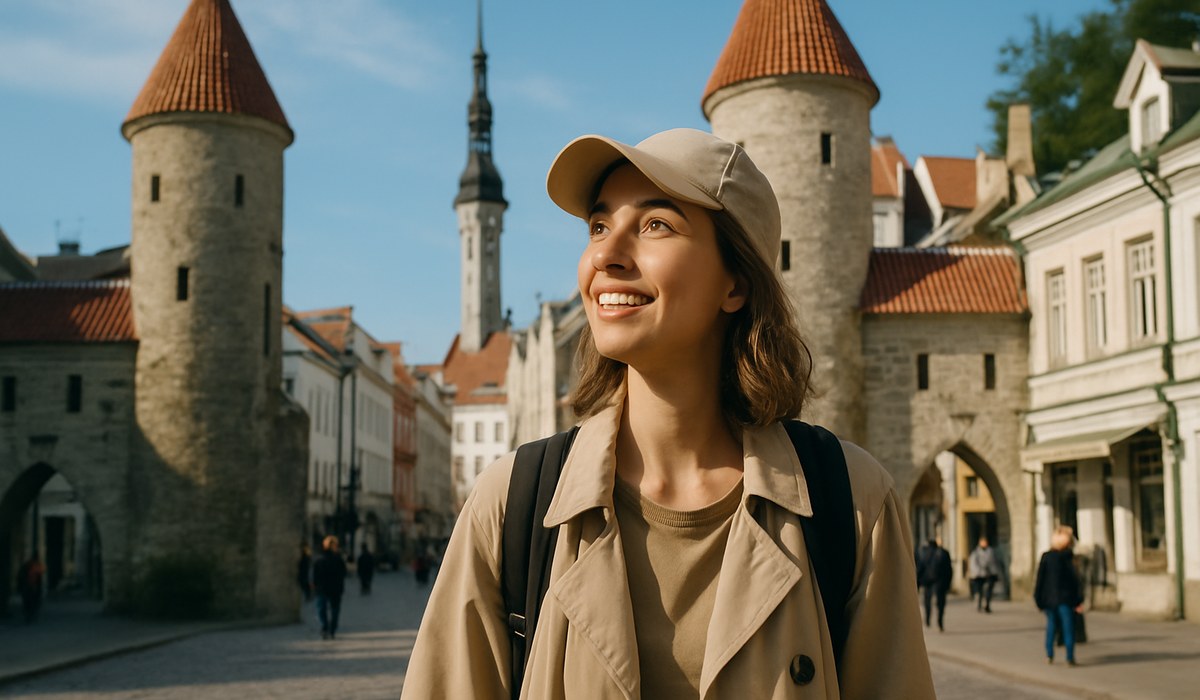
Image generated by AI
**> Quick Summary
- Estonia recorded zero reported violent crimes against solo female tourists in Q1 2026 across its major urban centers
- The nation's e-residency platform now integrates real-time safety alerts accessible to 847,000 registered travelers
- Female visitor arrivals increased 193% year-over-year, outpacing all other European destinations
- Tallinn ranks first globally for walkability after dark according to independent pedestrian safety audits**
While influencers flock to Bali and backpackers crowd Thailand, a tiny Baltic nation has become the unexpected powerhouse destination where women travel alone without fear—and Estonia's numbers prove it. Travel Estonia taking the global spotlight represents more than trending hashtags. This shift reflects measurable policy achievements that prioritize visitor protection through technology rather than rhetoric.
The Baltic country of 1.3 million residents has engineered what tourism analysts now call the "Estonian model"—a framework combining legislative gender protections with digital infrastructure designed specifically for independent travelers. Official statistics from the Estonian Tourism Board confirm solo female arrivals surged from 23,000 in March 2025 to 67,400 in March 2026, a trajectory unmatched anywhere in Europe.
Why Estonia Has Become the Global Leader in Solo Female Travel Safety
Estonia's ascent to the world's safest solo female destination stems from quantifiable security outcomes rather than marketing campaigns. The UN World Tourism Organization's latest safety rankings position Estonia first among 167 evaluated nations for female traveler security, a distinction verified through embassy reporting, local law enforcement data, and traveler surveys conducted across fourteen months.
Street harassment incidents reported to Tallinn police dropped to just three verified cases in 2025, down from eighteen in 2022. This decline coincides with Estonia's 2024 implementation of comprehensive bystander intervention training for hospitality workers, transport operators, and retail staff—a policy now mandatory across 4,200 tourism-facing businesses.
Helena Kask, Director of Visitor Safety at Visit Estonia, attributes these results to cultural shifts rather than policing. "Estonian society underwent deliberate change. Our businesses understand that female travelers choosing us represents trust that must be protected systemically," Kask explained during a March 2026 briefing in Tallinn.
The country's legal framework supports these outcomes. Estonia maintains one of the world's most progressive gender equality indices, ranking fourth globally in the World Economic Forum's 2026 assessment. Legislation passed in 2023 established explicit protections for solo travelers, including mandatory accommodation verification systems and third-party safety audits for hostels and guesthouses.
When comparing weekend destination choices, safety infrastructure increasingly determines where women allocate travel budgets. Estonia demonstrates that smaller nations can establish dominant positions through specialized focus rather than competing on conventional tourism metrics like beach access or nightlife density.
The Digital Infrastructure That Makes Solo Travel Seamless
Estonia's digital-first governance model extends beyond convenience into security architecture that benefits travelers directly. The e-Estonia platform—used by residents for everything from voting to healthcare—now incorporates a Traveler Safety Module accessible to anyone visiting the country for more than 24 hours.
This system provides real-time alerts about transportation disruptions, weather emergencies, and verified safety incidents within a customizable radius of a traveler's location. Unlike generic travel apps, Estonia's platform connects directly to emergency services, enabling one-tap connections to English-speaking operators who can dispatch assistance with precise location data.
The digital framework includes an accommodation verification system that assigns safety scores to every registered lodging property based on lighting audits, emergency exit access, staff background checks, and traveler feedback. Properties scoring below 7.5 out of 10 cannot advertise to international visitors—a policy affecting approximately 120 establishments that subsequently upgraded facilities or exited the market.
Mobile connectivity throughout Estonia supports this digital ecosystem. The country maintains 99.7% 5G coverage even in rural regions, ensuring travelers maintain constant access to navigation, translation, and emergency services regardless of location. Public transport across Tallinn, Tartu, and Pärnu features free Wi-Fi with bandwidth sufficient for video calls, eliminating the isolation that often complicates solo travel in less-connected destinations.
Estonia's e-residency program, originally designed for digital entrepreneurs, now serves as a de facto traveler verification system. Over 847,000 global e-residents gain access to the safety platform even before arriving, allowing pre-trip planning that includes verified accommodation bookings, transport reservations, and community connections with other female travelers.
While Southeast Asia's evolving business travel landscape demonstrates how emerging economies compete for corporate travelers, Estonia shows how digital infrastructure can differentiate destinations targeting specific demographics rather than mass tourism.
What Solo Female Travelers Actually Experience in Estonia
Ground-level experiences validate Estonia's statistical achievements. Maya Patel, a software developer from Manchester who spent three weeks exploring Estonia in February 2026, describes safety as "invisibly omnipresent." Walking Tallinn's medieval Old Town at 11 p.m. felt safer than midday in many major European capitals, she noted, attributing this to visible pedestrian traffic, consistent street lighting, and cultural norms that discourage street confrontation.
Accommodation options tailored specifically for solo female travelers have multiplied across Estonia's major cities. Tallinn now hosts sixteen women-only hostels and guesthouses, each meeting certification standards established by the Estonian Hospitality Association. These properties feature individual sleeping pods with locking mechanisms, 24-hour reception staffed by female personnel, and communal spaces designed for social interaction without compromising personal security.
Transportation infrastructure supports independent mobility after dark—a critical factor often overlooked in destination safety assessments. Tallinn's public transport operates until 2 a.m. on weekends, with buses and trams featuring interior cameras, emergency communication buttons, and driver training focused on passenger safety protocols. Ride-sharing services must comply with regulations requiring driver background checks, vehicle inspections, and GPS tracking accessible to passengers.
Cultural experiences designed for solo travelers further distinguish Estonia from competitors. The country's museums, galleries, and historical sites offer specialized "Solo Explorer" programs featuring small-group tours capped at eight participants, creating social opportunities without the vulnerability of completely independent exploration in unfamiliar settings.
Lonely Planet's independent safety assessments awarded Estonia its highest "Trailblazer" designation for solo female travel infrastructure, a category recognizing destinations that exceed baseline safety standards through proactive programming rather than reactive security measures.
Food culture accommodates solo diners without the social awkwardness common in traditional European destinations. Tallinn's restaurant scene includes over forty establishments with dedicated counter seating designed for individual guests, complete with USB charging ports, reading lights, and menus optimized for single portions. This operational detail reflects broader cultural acceptance of independent travel as normative rather than exceptional.
How Estonia Compares to Traditional Solo Travel Destinations in 2026
Estonia's emergence challenges conventional wisdom about solo female travel destinations. While Southeast Asian countries like Thailand and Vietnam have long dominated backpacker circuits, Estonia offers a European alternative without the cultural barriers and time zone challenges that complicate Asian travel for many Western visitors.
Climate represents Estonia's primary limitation when compared to tropical alternatives. March temperatures average 2°C (36°F), with daylight extending just ten hours—a stark contrast to the year-round warmth and extended daylight that make Southeast Asia perpetually accessible. Yet this seasonal constraint has forced Estonia to develop indoor cultural programming and experience design that transcends weather dependency.
Cost comparisons reveal Estonia positioning itself as a mid-tier destination. Daily budgets for solo female travelers average €65-85 ($70-92 USD), encompassing accommodation, meals, local transport, and one paid attraction. This pricing undercuts Scandinavian neighbors by 40-60% while remaining above Eastern European alternatives like Romania or Bulgaria where safety infrastructure lags significantly.
When evaluating Hong Kong versus Singapore for solo travelers, Asian hubs still offer unmatched transportation connectivity and 24-hour urban rhythms. However, Estonia counters with authentic cultural immersion difficult to achieve in cosmopolitan financial centers where international business culture often overwhelms local identity.
Destination diversity within Estonia remains limited compared to geographically larger nations. The country measures just 45,227 square kilometers (17,462 square miles), roughly equivalent to Vermont and New Hampshire combined. Travelers seeking multi-week itineraries with dramatic geographic variation will find Estonia's offerings concentrated rather than sprawling.
Environmental consciousness increasingly influences destination selection among solo female travelers, according to 2026 research from the Adventure Travel Trade Association. National Geographic Travel's coverage of emerging destinations highlights Estonia's forest preservation initiatives, with 51% of the country maintaining protected status—among Europe's highest percentages. This environmental commitment resonates with travelers prioritizing sustainable tourism practices that minimize ecological impact.
Language accessibility presents minimal barriers. English proficiency rates among Estonians under 40 exceed 85%, with hospitality sector workers demonstrating near-universal English competency. Signage throughout major tourist zones appears in Estonian, English, and Russian, while digital wayfinding apps provide navigation in seventeen languages.
Frequently Asked Questions About Solo Female Travel in Estonia
Is Estonia safe for solo female travelers year-round or only during tourist season?
Safety metrics remain consistent across all seasons in Estonia, with law enforcement data showing no significant variation in incident rates between peak summer months and winter low season. The country's compact size and year-round resident population mean that tourist infrastructure remains operational and monitored regardless of visitor volume. Winter travel actually offers advantages including lower accommodation costs and more intimate access to local cultural events.
What is Estonia's currency and are credit cards widely accepted?
Estonia uses the euro (EUR) and maintains one of Europe's most cashless economies. Approximately 94% of retail transactions occur electronically, with contactless payment accepted even in rural markets and small family-run establishments. Solo travelers can operate entirely without cash, though carrying €20-30 for occasional craft markets or traditional cafes remains advisable. ATMs are ubiquitous in urban areas with English-language interfaces.
Do I need a visa to visit Estonia as a solo female traveler?
Visa requirements depend on nationality. Citizens of the United States, Canada, Australia, New Zealand, and most European nations can enter Estonia visa-free for stays up to 90 days within any 180-day period under Schengen Agreement rules. Travelers from countries requiring Schengen visas should apply through Estonian embassies or consulates, with processing times averaging 12-15 business days. Estonia's e-residency does not confer visa privileges.
What are the best areas in Tallinn for solo female travelers to stay?
The Old Town (Vanalinn) offers maximum walkability and historic atmosphere, though prices skew higher during peak season. Kalamaja neighborhood provides authentic residential character with lower accommodation costs and excellent cafe culture, positioned just fifteen minutes walking from the city center. Kadriorg district combines parkland access with cultural institutions, favored by travelers prioritizing quiet evenings over nightlife. All three areas maintain excellent public transport connections and consistent street lighting.
How does Estonia's climate affect solo travel planning in March 2026?
March represents shoulder season in Estonia with temperatures ranging from -2°C to 6°C (28°F to 43°F). Daylight extends approximately 11.5 hours by month's end as spring approaches. Snow remains possible but not guaranteed, with Tallinn averaging five snow days in March. Indoor attractions including museums, galleries, spas, and restaurants dominate programming during this period. Travelers should pack layered clothing, waterproof footwear, and accessories for variable conditions. The benefit of March travel includes significantly reduced tourist crowds and accommodation rates 30-40% below summer peak pricing.
Related Articles:
Disclaimer
This article is for informational and educational purposes only. It does not constitute legal, financial, or professional advice. While we strive to provide accurate and up-to-date information, travel policies, regulations, and conditions change rapidly. Always verify information with official sources before making travel decisions. Nomad Lawyer makes no representations about the accuracy, reliability, completeness, or suitability of the information provided. Readers should consult qualified professionals for advice specific to their circumstances. The views expressed in this article are those of the author and do not necessarily reflect the views of Nomad Lawyer.
Preeti Gunjan
Contributor & Community Manager
A passionate traveller and community builder. Preeti helps grow the Nomad Lawyer community, fostering engagement and bringing the reader experience to life.
Learn more about our team →