
Indian Railways Expands Haryana and Delhi-NCR Local Passenger Train Routes
Indian Railways extends four key local passenger train routes from Palwal to Mathura and Kosi Kalan, boosting regional Delhi-NCR travel options in 2026.

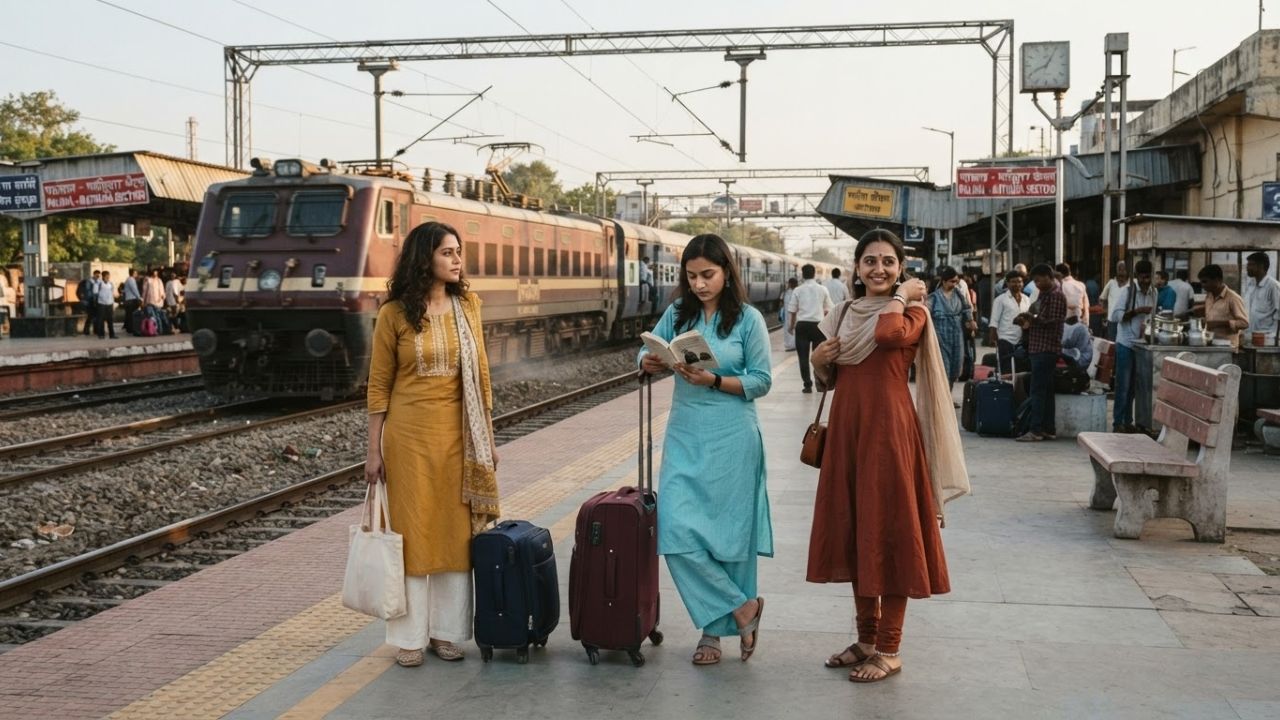
Image generated by AI
Indian Railways has extended the routes of four key local passenger train services from Palwal to Mathura and Kosi Kalan, improving regional rail connectivity across Haryana, Uttar Pradesh, and the Delhi-NCR. The route extensions will support thousands of daily commuters by providing faster, more reliable transit to employment and commercial centers.
The passenger railway network in northern India is observing a significant expansion, with authorities adjusting existing routes to improve travel options for communities outside major urban hubs. Indian Railways has announced the route expansion of four local passenger train services operating from Palwal railway station, extending their paths to Mathura and Kosi Kalan. This administrative decision aims to make daily transit more convenient, faster, and predictable for thousands of commuters traveling between Haryana, Uttar Pradesh, and the wider Delhi-National Capital Region (NCR). The extended services will benefit passengers residing in Palwal, Hodal, Kosi Kalan, and surrounding rural communities, providing them with direct access to regional workplaces and transportation hubs.
For the traveler, the real impact of this service extension is the availability of an integrated, time-saving rail option. By extending passenger runs beyond their previous terminuses, the rail network reduces the need for multiple train changes, simplifying regional journey planning and bringing the historical scenery of Mathura closer to daily transit lines.
Rail Route Extensions and Train Service Schedules
The service expansion covers four specific local passenger train runs, offering travelers additional options during morning and evening peak hours:
- Mathura Services: Train Numbers 64016 and 64019 will now operate their full routes up to Mathura station, connecting the town directly with the northern suburban rail network.
- Kosi Kalan Services: Train Numbers 64082 and 64051 have been extended to Kosi Kalan, providing residents along the route with additional travel options.
- Improved Corridor Transit: The extensions cover towns located along the Palwal-Mathura corridor, offering regional commuters greater flexibility when planning travel.
- Access to Key Cities: The expanded services strengthen connectivity between smaller regional towns and major transportation hubs, including Ghaziabad and New Delhi.
By adjusting the schedules of these four passenger trains, railway authorities aim to provide balanced travel options throughout the day, helping to reduce crowding on other local transit lines.
Evening Commute Improvements and Economic Benefits
The route expansion is expected to bring significant relief to passengers traveling during busy evening hours:
- Crowding Mitigation: Peak travel windows often experience high passenger volumes, creating challenges for regional travelers. The additional service capacity helps distribute passenger flow.
- Reliable Suburban Travel: Local passenger rail networks provide a predictable and affordable transportation option for workers, students, and small business owners.
- Economic Connectivity: Faster and more reliable connections enable regional workers to access employment centers in Ghaziabad and Delhi, supporting local business development.
- Infrastructure Efficiency: By extending existing passenger runs, the railway system increases its capacity without requiring immediate investments in new track installations. During evening rush hours, the Palwal-Mathura section experiences significant passenger congestion, as thousands of government employees, private sector professionals, and students depart Delhi-NCR for suburban towns. Previous train schedules often forced travelers to rely on overcrowded buses or expensive private jeep shares, leading to safety hazards on the high-speed national highways. The extension of Train Numbers 64016, 64019, 64082, and 64051 directly targets this transit deficit. By providing a reliable schedule that aligns with standard shift endings, the Northern Railway zone is offering commuters a safer, cheaper, and more predictable alternative. This shift not only reduces stress on municipal transport services but also ensures that workers can return to their families in surrounding villages without delays.
These targeted operational adjustments allow the rail network to serve more communities, making short-distance travel more convenient for regional residents.
Ecotourism and Community Support in Northern India
Promoting local rail travel is a key strategy for reducing carbon emissions and managing road congestion in the Delhi-NCR. For the traveler, the real impact is the availability of an energy-efficient public transport system that supports slow travel values. By choosing passenger trains over private car rentals, visitors can explore regional towns and historic temples while minimizing their carbon footprints.
Travelers can support regional economies by purchasing traditional milk sweets, fresh agricultural produce, and hand-crafted goods directly from independent merchants and farmers' markets near Palwal, Hodal, and Kosi Kalan stations. Commuters and travelers can directly support agricultural communities by visiting local markets in Palwal and Hodal, which are famous for their regional dairy products and fresh seasonal crops. Stopping at small, family-run sweet stalls to buy local specialties helps ensure that tourism capital remains in the region. Many of these rural areas also contain ancient stepwells and historical temples that receive little funding; visitors can support local heritage preservation by choosing guided tours organized by local village committees. These practices keep regional history alive and provide sustainable employment to local youth who might otherwise be forced to migrate to major urban hubs for work. This direct commerce helps distribute tourism spending to local families, preserving traditional regional crafts and supporting small agricultural communities. Furthermore, conserving water during train travel and avoiding single-use plastics helps protect the sensitive ecosystems and agricultural terrains of Haryana and Uttar Pradesh.
Destination Specialist Local Insider Tips
To help you navigate the northern regional rail network and enjoy historical destinations safely and comfortably, regional specialists suggest the following local tips:
- Identify Your Train Numbers: Double-check the digital displays for Train Numbers 64016, 64019, 64082, or 64051 when planning your trip to Mathura or Kosi Kalan.
- Savor Traditional Mathura Peda: Sample Mathura's famous culinary specialty, Peda (caramelized milk fudge), available at local sweet shops near the Mathura junction.
- Queue Orderly for Tickets: Purchase your unreserved tickets early via the UTS mobile app or at station counters to avoid long queues during peak evening hours.
- Dress Modestly at Temples: When visiting sacred heritage sites in Mathura, wear conservative clothing (covering shoulders and knees) and store loose items away from active local monkeys.
- Travel in the Winter Season: Plan your train journeys between October and March to enjoy cool, comfortable weather (ranging from 10°C to 22°C) and avoid the hot summer monsoons.
- Sample Hodal Stepwell Tea: During a layover at Hodal station, take a short walk to the historic stepwell area and enjoy a hot cup of local spiced masala chai from street tea vendors.
Long-Term Outlook for Regional Rail Transport
The long-term outlook for regional rail transport and suburban transit networks remains highly positive, supported by the integration of local routes, national railway electrification programs, municipal planning initiatives, and upgraded ticketing systems. By expanding passenger train access across Haryana and Uttar Pradesh, Indian Railways is establishing a consistent transport corridor that benefits commuters, rural communities, and local businesses.
As operations begin on the extended routes, the collaboration between railway coordinators, station administrators, and regional transit boards will remain essential. This balanced approach protects the local rail economy, supports regional communities, and ensures that India's short-distance transport network remains accessible and convenient for all passengers.
Related Travel Guides
- Greater Bay Airlines Boosts Hong Kong Travel Future With Stronger Asia Connectivity Plans
- European Commission Offers Free Rail Passes to Thousands of Young Explorers
- Amtrak National Park Rail Routes Connect Arizona, California, Colorado, Montana, Washington to Grand Canyon, Yosemite, Glacier in 2026
Disclaimer
This article is for informational and educational purposes only. It does not constitute legal, financial, or professional advice. While we strive to provide accurate and up-to-date information, travel policies, regulations, and conditions change rapidly. Always verify information with official sources before making travel decisions. Nomad Lawyer makes no representations about the accuracy, reliability, completeness, or suitability of the information provided. Readers should consult qualified professionals for advice specific to their circumstances. The views expressed in this article are those of the author and do not necessarily reflect the views of Nomad Lawyer.
Raushan Kumar
Founder & Lead Developer
Full-stack developer with 11+ years of experience and a passionate traveller. Raushan built Nomad Lawyer from the ground up with a vision to create the best travel and law experience on the web.
Learn more about our team →