
Spain Combats Overtourism with Walking Tourism: Economic Impact and Rural Shift 2026
Spain is leveraging pedestrian-focused travel to redistribute 96.8 million annual arrivals from urban cores to rural trail networks, boosting local economies by over 500 million euros.

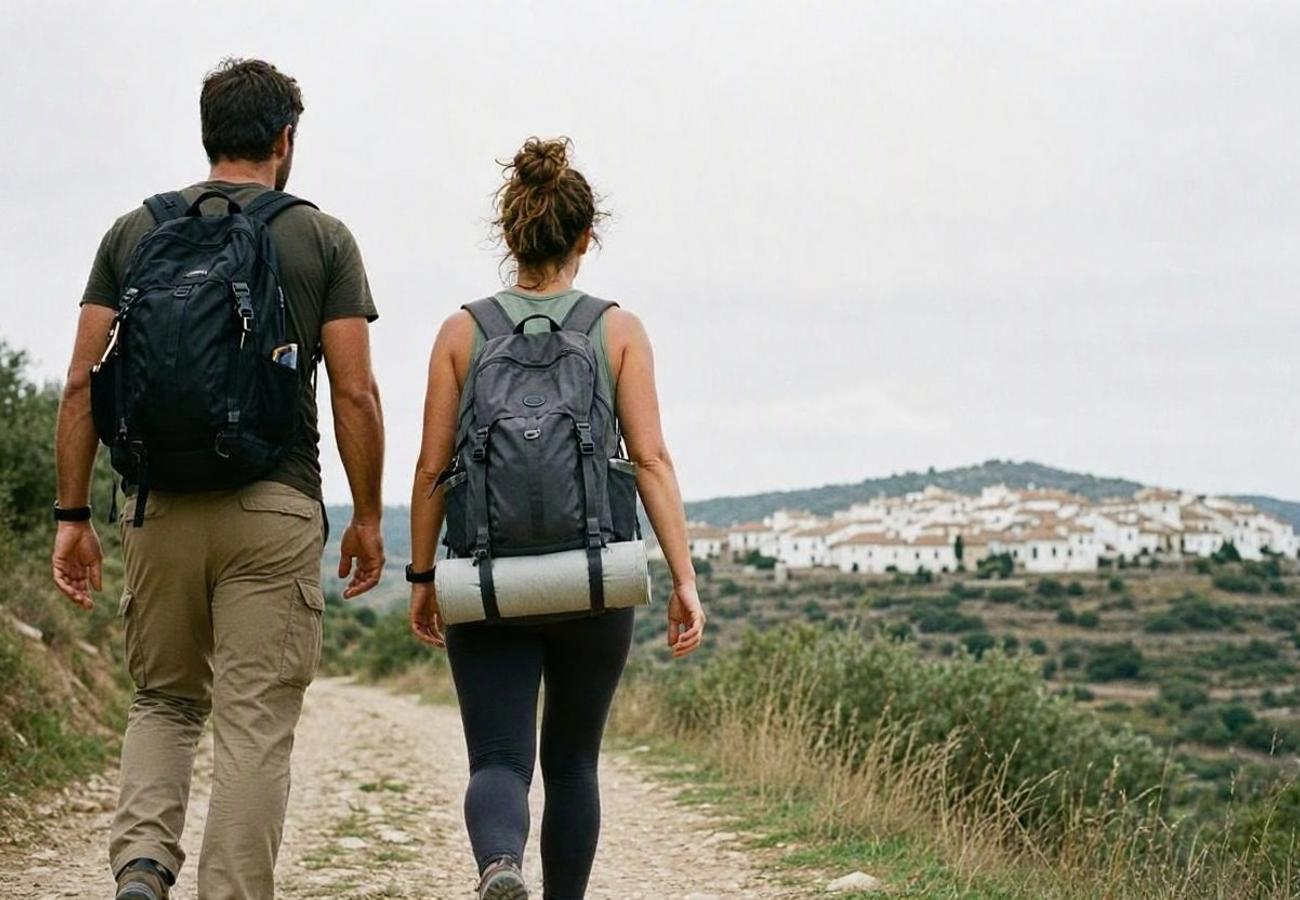
Image generated by AI
Spain has reached a critical tipping point with 96.8 million international arrivals, forcing a strategic pivot from high-density urban hubs to decentralized pedestrian networks. This shift represents a calculated move to migrate visitor volume away from saturated centers like Madrid and Barcelona and toward the rural interior, transforming the traditional high-speed tourism model into a slow-growth economic engine.
The Pedestrian Economy in Numbers
The transition toward "slow travel" is not merely an environmental preference but a rigorous economic strategy. By replacing rapid transit with foot-based exploration, Spain is successfully extending the average length of stay and increasing the "economic multiplier" effect in neglected regions.
Data indicates that historic networks, most notably the Camino de Santiago, generate a direct annual economic impact exceeding 500 million euros. Unlike all-inclusive resort models where capital is captured by global conglomerates, walking tourism creates a direct revenue pipeline to micro-businesses.
The spending profile of a pedestrian traveler is distinct: daily expenditures typically fluctuate between 35 and 80 euros. While this per-day figure is lower than that of a luxury resort guest, the cumulative spend is significantly higher due to the extended duration of the trip. A hiker spending 60 euros daily over 20 days contributes 1,200 euros directly into the rural ecosystem, whereas a short-term coastal tourist may spend more in a single day but concentrate that wealth within a single corporate entity.
Rural Redistribution vs. Urban Saturation
The current crisis of overtourism in Spain's primary cities has led to severe strain on municipal water supplies, public transport, and housing markets. By promoting the Pyrenees, Andalusia, and the Canary Islands' subtropical paths, the Spanish government is attempting to rebalance the visitor distribution map.
The following table illustrates the shift in economic and social impact when comparing traditional urban mass tourism to the emerging pedestrian-focused model:
| Metric | Urban Mass Tourism (Madrid/Barcelona) | Pedestrian/Walking Tourism (Rural Trails) |
|---|---|---|
| Primary Revenue Recipient | Corporate Hotel Chains & Global Brands | Family-run Guesthouses & Local Artisans |
| Average Stay Duration | Short-term (3-5 days) | Extended (10-30+ days) |
| Environmental Pressure | High (Concentrated Urban Waste/CO2) | Low (Distributed Footprint/Low Carbon) |
| Economic Distribution | Centralized (City Core) | Decentralized (Village-to-Village) |
| Local Social Impact | High Social Fatigue/Housing Inflation | Community Empowerment/Cultural Preservation |
This redistribution is supported by broader global trends documented by the World Tourism Organization (UNWTO), which emphasizes the need for sustainable destination management to prevent the degradation of natural and cultural assets.
What This Means for Travelers
For those planning a visit to Spain in 2026 and beyond, the data suggests a clear shift in how the country welcomes guests. Travelers should expect a more structured experience in rural areas as the government invests in trail maintenance and digital resources.
Actionable Booking Advice:
- Avoid Peak Urban Windows: With 96.8 million arrivals, city centers are reaching capacity. If you are visiting in Q3 or Q4, shift your itinerary toward the interior to avoid "social fatigue" and inflated pricing.
- Budget for the "Slow Path": When planning a route like the Camino de Santiago, budget between 35 and 80 euros per day for basic lodging and food.
- Book Rural Guesthouses Early: As pedestrian tourism grows, the limited inventory of authentic, family-run accommodations in small villages is filling up faster than large city hotels.
- Leverage Digital Trail Maps: New investments in digital infrastructure mean that self-guided walking tours are now more viable than ever, reducing the need for expensive guided packages.
Future Trajectory of Iberian Tourism
The trajectory of Spanish tourism is moving toward a "carrying capacity" model. Rather than chasing raw growth in arrival numbers, the focus is shifting toward the quality of spend and the longevity of the stay. This aligns with the World Travel & Tourism Council (WTTC) guidelines on ethical tourism management.
As the infrastructure for walking tourism matures, we expect to see a rise in "hybrid itineraries"—where travelers spend three days in a major city followed by ten days on a regional trail. This model optimizes the economic benefit for both the urban center and the rural village while mitigating the ecological wear and tear associated with mass tourism.
FAQ: Spain Walking Tourism 2026
Will prices increase in rural areas due to this trend? Short-term fluctuations are possible, but the decentralized model is designed to support small businesses rather than trigger corporate inflation. Prices generally remain stable between 35-80 euros daily for basic pedestrian services.
Is it safe to explore rural Spanish trails independently? Yes. Increased government investment in trail maintenance and digital resources has made independent navigation safer and more accessible for international travelers.
Which regions are best for avoiding overtourism? While the Camino de Santiago is popular, the rugged trails of Andalusia and the peaks of the Pyrenees offer a more secluded experience with less congestion than the coastal hubs.
Do I need special permits for walking tourism in Spain? Most public trails are open; however, specific protected ecological zones may require registration. Always check the local regional tourism board's latest guidelines.
The future of Spanish travel is measured not in flight arrivals, but in footsteps.
Related Travel Guides
Disclaimer
This article is for informational and educational purposes only. It does not constitute legal, financial, or professional advice. While we strive to provide accurate and up-to-date information, travel policies, regulations, and conditions change rapidly. Always verify information with official sources before making travel decisions. Nomad Lawyer makes no representations about the accuracy, reliability, completeness, or suitability of the information provided. Readers should consult qualified professionals for advice specific to their circumstances. The views expressed in this article are those of the author and do not necessarily reflect the views of Nomad Lawyer.
Kunal K Choudhary
Co-Founder & Contributor
A passionate traveller and tech enthusiast. Kunal contributes to the vision and growth of Nomad Lawyer, bringing fresh perspectives and driving the community forward.
Learn more about our team →