South Korea Travel Uncovers Identity, Cultural Belonging And Unexpected Kindness Across Six Weeks

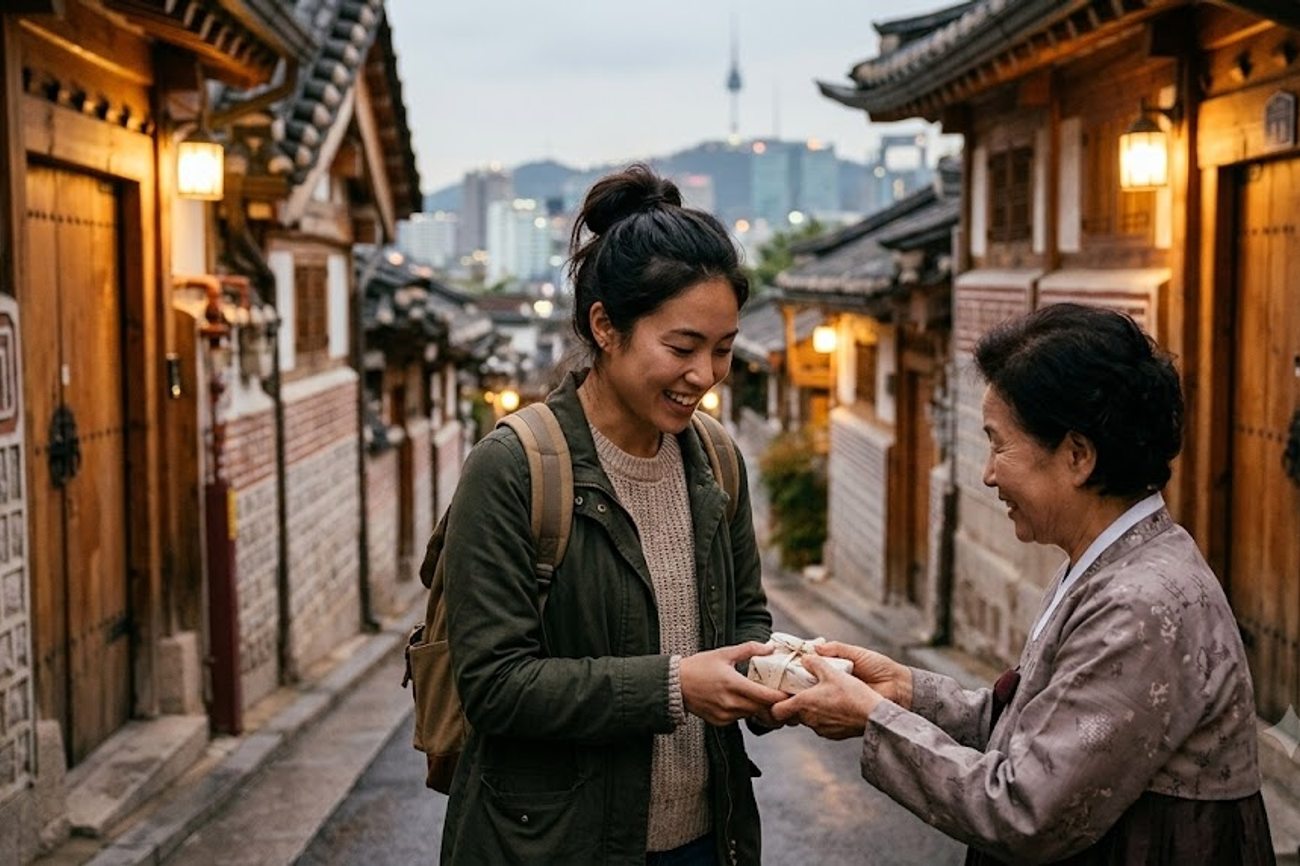
Image generated by AI
The most profound realization for a heritage traveler in South Korea often occurs not in a museum, but on the Igidae Coastal Trail, where the volcanic rock formations and views of the Gwangan Bridge provide a rare sanctuary from the social pressure to "perform" one's ethnicity. For those returning to their ancestral roots, the journey is frequently a tension between the desire to belong and the reality of being a foreigner in a land that looks like home but speaks a different social language.
The Shift Toward Ancestral Exploration in the South
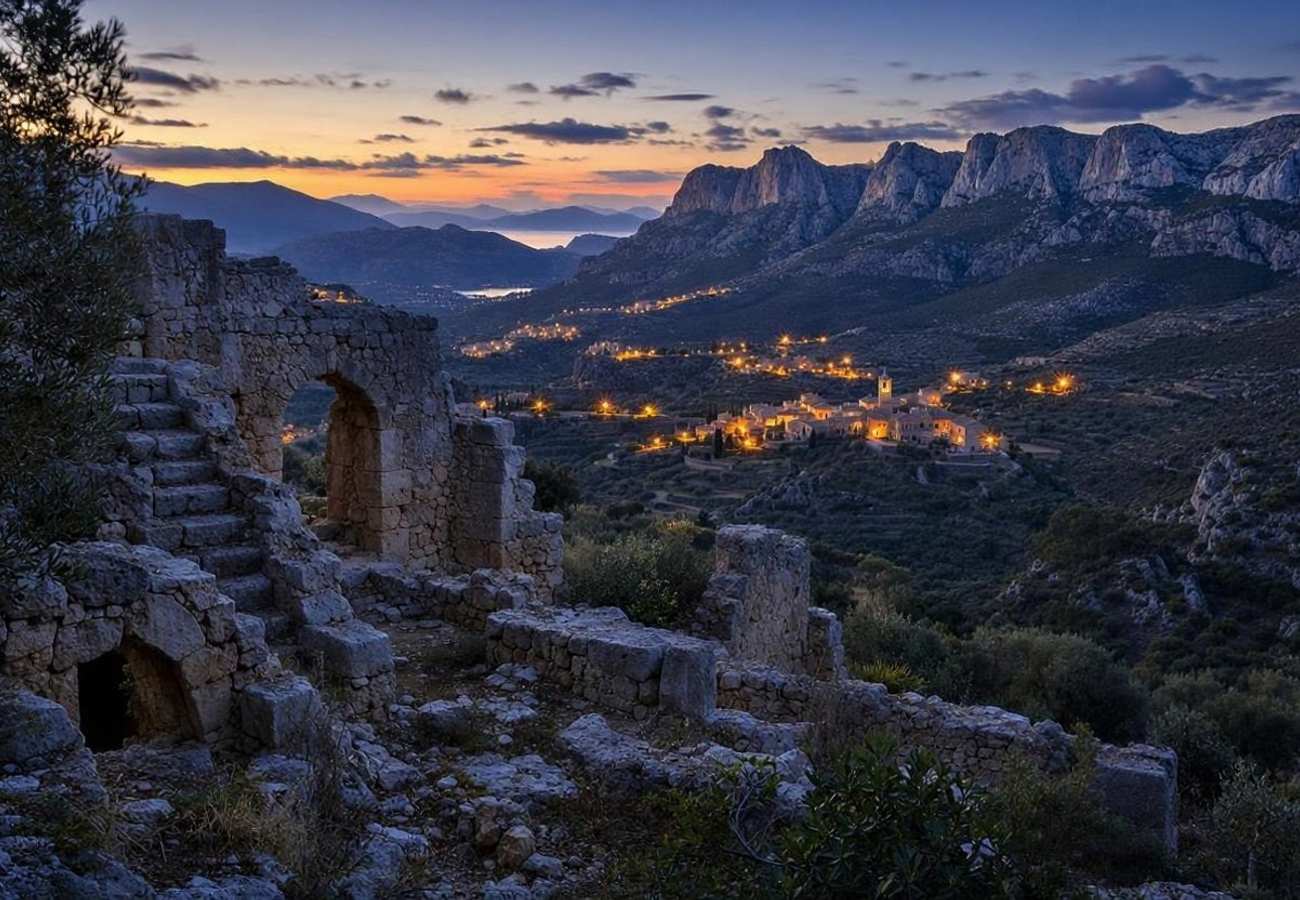
While the majority of international arrivals gravitate toward the neon grids of Seoul, a growing movement of "heritage nomads" is venturing into the southern provinces. This shift is characterized by a move away from checklist tourism and toward a search for identity. The route from Busan through the coastal hubs of Yeosu and Mokpo, ending in the cultural heart of Jeonju, represents a pilgrimage of sorts. It is a journey that trades the polished experience of K-pop districts for the raw, sometimes uncomfortable reality of regional life.
In these southern reaches, the tourism infrastructure is less standardized. You will find that the "welcome" varies wildly—from the overwhelming generosity of a bakery worker helping a stranded solo diner to the blunt refusal of a restaurant owner who only accepts groups. This unpredictability is precisely what makes the region compelling; it strips away the curated facade of the tourism board and reveals the actual rhythms of Korean society.
What Makes the Southern Coast Different
The southern corridor of South Korea offers a sensory contrast to the northern metropolis. In Busan, the energy is defined by the sea. The Jagalchi Market is not merely a place to buy fish; it is a visceral introduction to the city's grit and grace. Selecting raw shrimp and scallops directly from the vendors and eating them in the market's communal dining areas is the only way to truly understand the city's relationship with the ocean.
Moving inland to Suncheon, the experience shifts from urban chaos to historical reflection. The Suncheon Open Film Set provides a stylized look at the past, where visitors don vintage clothing to walk through reconstructed streetscapes. However, the true soul of the region lies in Naganeupseong Folk Village. Unlike a museum, this is a living walled settlement where traditional architecture and ancient craft practices are maintained not for the camera, but as a way of life.
The spiritual geography of the region is anchored by the temples of the south. A stay at Songgwangsa Temple is a lesson in austerity. The communal routines and evening prayers are demanding, often highlighting the gap between a visitor's ancestral connection and their actual linguistic ability. This is complemented by the quieter, more intimate experience of the tea houses near Seonamsa Temple, where hand-harvested green teas from the surrounding mountains offer a meditative bridge to the land.
Visitor Insider Tips
To navigate the southern provinces without the frustration of a typical tourist, you must understand the local social codes, particularly regarding dining and movement.
The Solo Dining Struggle: In cities like Yeosu and Mokpo, "hon-bap" (eating alone) is still a cultural hurdle in traditional eateries. Many regional restaurants maintain a two-person minimum. To avoid being turned away, look for "Gimbap" shops or modern cafes. If you are attempting a traditional seafood house, try visiting during the mid-afternoon lull (between 2:00 PM and 5:00 PM) when owners are more likely to accommodate a single diner.
Coastal Navigation: When visiting Busan, skip the crowded city buses for the Igidae Coastal Trail. Start your trek early—before 8:00 AM—to experience the volcanic cliffs in silence. For the best views of the Gwangan Bridge, stick to the cliffside paths rather than the paved overlooks.
Temple Etiquette: If you book a temple stay via the official temple stay portal, remember that silence is the primary currency. Avoid loud conversations in the corridors and always bow slightly when encountering monks.
Regional Flavities: In Jeonju, do not settle for the generic Bibimbap found in hotels. Seek out the smaller alleys in the Hanok Village where the bowls are seasoned with local fermented pastes. In the south, prioritize abalone, cockles, and crab, which are the hallmarks of the coastal diet.
Transport Hack: Use the KTX for major jumps between cities, but for the stretch between Suncheon and Yeosu, utilize local buses to see the changing reed landscapes of the Suncheon Bay Nature Reserve.
Cultural and Environmental Context
Tourism in South Korea's southern provinces is currently in a state of negotiation. In places like Suncheon, there is a delicate balance between preserving the ecological integrity of the wetlands and accommodating the influx of visitors. The Suncheon Bay Nature Reserve is a prime example of how environmental conservation can become a primary tourist draw, though it requires strict visitor management to prevent the degradation of the reed beds.
Culturally, the rise of heritage tourism—people returning to explore their roots—is creating a new dialogue within local communities. For the residents of Naganeupseong Folk Village, the presence of visitors who look Korean but act as foreigners challenges traditional notions of identity. It transforms the village from a static historical site into a space of active cultural exchange.
Furthermore, the tension surrounding solo travel in regional areas reflects a broader societal shift. While Seoul has embraced the "single-person household" trend, the southern provinces remain deeply rooted in collectivism. The occasional friction a solo traveler feels in a Yeosu restaurant is not necessarily hostility, but a reflection of a culture where the act of eating is fundamentally a social, group-oriented event.
FAQ: Visiting South Korea 2025
What is the best time to visit the southern coast? Autumn (October to November) is ideal. The reed fields of Suncheon Bay turn golden, and the temperatures are mild enough for hiking the Igidae Coastal Trail without the oppressive humidity of summer.
Do I need a visa for a heritage trip? Most travelers from the US, Canada, and EU can enter via the K-ETA (Korea Electronic Travel Authorization). Check the official Korea Visa Portal for the most current requirements based on your nationality.
How do I get from Busan to Jeonju? The most efficient route is taking the KTX high-speed train from Busan Station to Iksan, followed by a short local train or taxi ride into Jeonju.
Is it safe for solo female travelers? Yes, South Korea is exceptionally safe for solo travelers. The primary challenges are social (such as the solo dining minimums mentioned above) rather than safety-related.
True belonging isn't found in a passport or a family tree, but in the quiet moments between the mountains and the sea.
Related Travel Guides
- Guatemala Faces Travel Pressure as Cruise Changes and Flight Disruptions Reshape Tourism Access
- Malawi Follows Chad and Others as New $4.6M Conservation Drive Protects Africa’s Wildlife Tourism Assets
- Bahrain Joins Qatar and Other Gulf Destinations as Airlines Rebuild Capacity After 2026 Travel Disruption
This article is for informational purposes. Flight routes, passenger regulations, visa rules, and transit advisories are subject to change by airlines and aviation authorities. Readers are advised to verify schedules and travel documentation with relevant carriers and border agencies before departure.
Related Stories

Phuket Luxury Tourism Surge 2026: High-Net-Worth Arrivals and New Aviation Routes
Mexico Ecotourism Market Projected to Hit USD 9.29 Billion by 2034 as Green Travel Surges