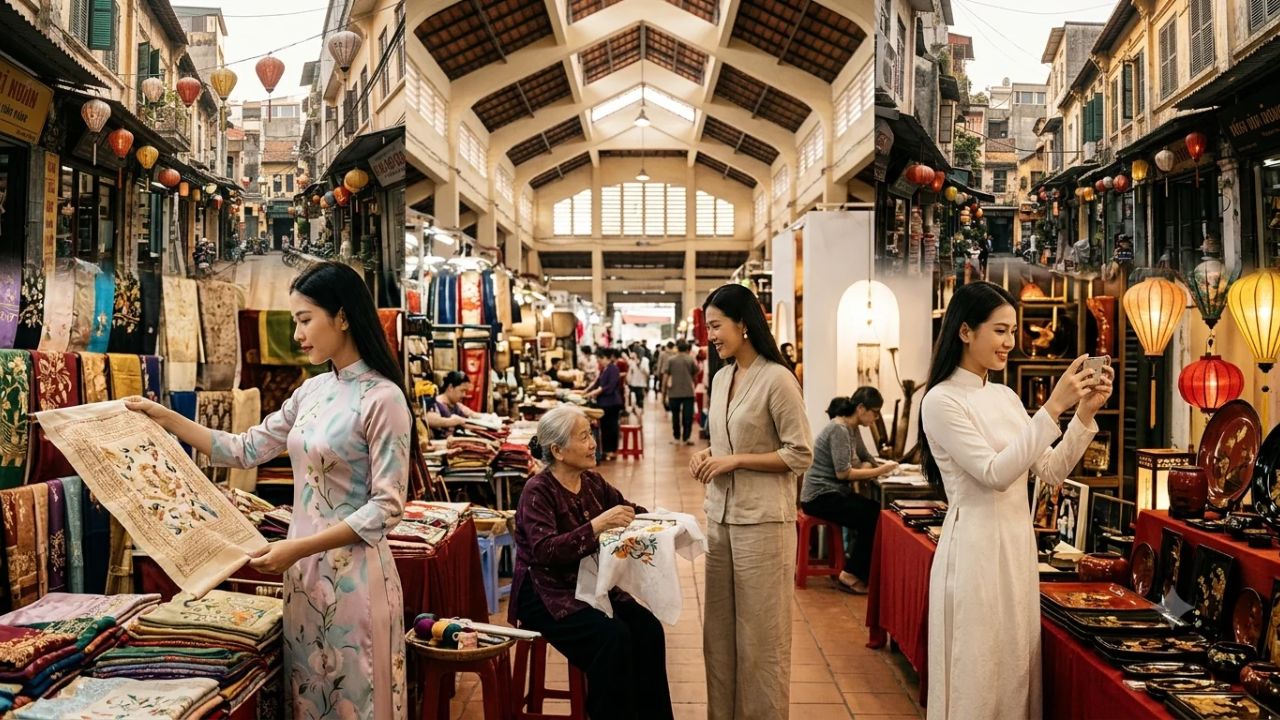
Four South American Destinations for Winter 2026: Cultural Heritage and Logistics in Peru, Argentina, Colombia, and Ecuador

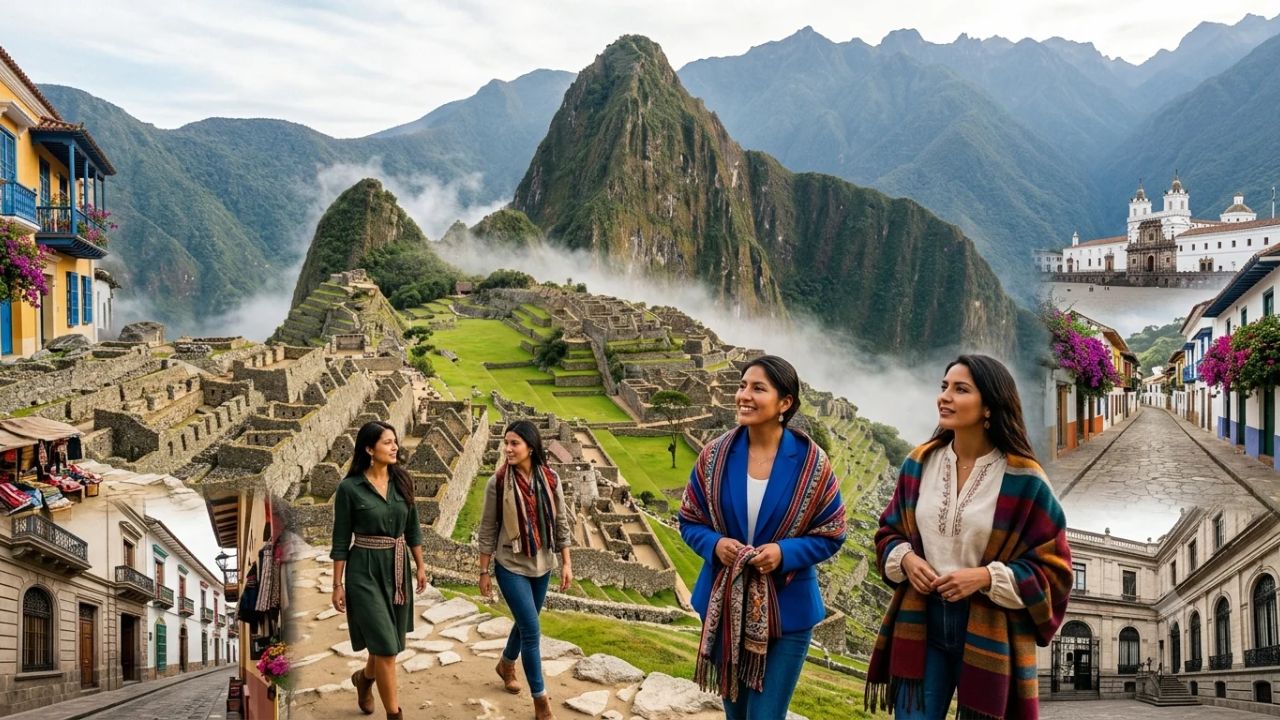
Global travel patterns for the 2026–2027 winter season reveal a structural pivot toward South America, as international travelers increasingly bypass commercialized beach enclaves in favor of heritage-rich itineraries, pre-Columbian archaeological wonders, and preserved colonial urban centers. Data from late 2026 establishes Peru, Argentina, Colombia, and Ecuador as the premier cultural anchors of the continent, capturing high-yield cultural demand through UNESCO World Heritage landmarks and living indigenous traditions. From the regulated stone terraces of Machu Picchu and the colonial ramparts of Cartagena to the high-altitude Andean centers of Quito and the tango salons of Buenos Aires, these four nations offer profound historical immersion supported by modern travel infrastructure.
The growing appeal of these destinations reflects an evolving traveler mindset that prioritizes verified historical authenticity, architectural conservation, and indigenous culinary traditions over artificial attractions. However, successfully experiencing these regions during the peak winter holiday window requires navigating complex logistics and conservation regulations. In Peru, entry to Machu Picchu is strictly controlled under timed circuits requiring reservations at least 60 days in advance; in Ecuador, wildlife expeditions through the Galápagos Islands adhere to strict ecological quotas; in Colombia, heritage walking tours through Cartagena require understanding regional transit; and in Argentina, travelers balance the summer energy of Buenos Aires with sub-polar glacier treks in southern Patagonia.
By analyzing the specific architectural monuments, gastronomic ecosystems, and structural transport connections across these four distinct nations, travelers can design multi-destination winter journeys that combine archaeological discovery with sustainable local engagement.
SOUTH AMERICAN WINTER 2026 CULTURAL MATRIX
| Column 1 |
|---|
| COUNTRY PRIMARY HISTORIC & NATURE HUBS SIGNATURE CULTURAL & GASTRONOMIC PROFILE |
| ------------------------------------------------------------------------------------------------ |
| Peru Cusco, Machu Picchu, Sacred Valley, Inca engineering; Ceviche & Cuy; Indigenous |
| Lima historic center & Miraflores Andean, Spanish, and Asian Nikkei fusion |
| Argentina Buenos Aires (San Telmo, Recoleta), European architecture; Tango heritage; |
| Mendoza wine country, Ushuaia, Glaciers Asados (barbecued beef), high-altitude |
| (Los Glaciares / Perito Moreno) Malbec; Italian and Spanish migration roots |
| Colombia Cartagena de Indias (Walled City), Spanish colonial fortifications; Specialty |
| Bogotá, San Andrés, Eje Cafetero Andean coffee, tropical coastal seafood; |
| (UNESCO Coffee Cultural Landscape) Indigenous, Spanish, and African traditions |
| Ecuador Quito (Historic Centre), Cuenca Meticulously preserved colonial grids; |
| (UNESCO 1999), Galápagos Islands Highland Locro de papa, coastal Encebollado; |
| (Charles Darwin Living Laboratory) Highland potato agriculture & coastal fishing |
Peru: Ancient Engineering and Strictly Regulated Archaeological Heritage
Peru stands as the statistical leader for first-time cultural travelers venturing into South America, anchored by its extensive network of pre-Columbian monuments, Inca architecture, and complex highland civilizations. In late 2026, Peru’s heritage management model centers on balancing record global visitor interest with rigorous archaeological preservation.
Machu Picchu Access & Preservation Rules (2026)
-------------------------------------------------------------------------------------
Booking Window Requirement:     [Minimum 60 Days in Advance Mandatory]
Ticketing Regulatory Format:    [Strictly Timed Hourly Slots & Nominated Circuits]
Ticket Refund Policy:           [100% Non-Refundable & Non-Transferable]
Transit Options to Citadel:     [Inca Trail Trek (4 Days) or Train via Sacred Valley]
-------------------------------------------------------------------------------------
Cusco and Machu Picchu: Timed Circuits and 60-Day Ticketing Mandates
Perched on an Andean mountain ridge above the Urubamba River, the 15th-century citadel of Machu Picchu remains an architectural marvel of dry-stone masonry, agricultural terracing, and astronomical alignment. However, independent travelers visiting in winter 2026 must adhere to strict entry protocols enforced by the Peruvian Ministry of Culture:
- Mandatory 60-Day Advance Booking: General admission tickets are strictly capped per day and distributed across designated circuits (including upper panoramic terraces, lower agricultural sectors, and Huayna Picchu hiking routes). During the December to March travel season, securing a preferred morning entry slot requires booking at least 60 days prior to departure.
- Fixed Time Slots and Non-Refundable Passes: Entry tickets are tied to specific hour-long arrival windows and are strictly non-refundable and non-transferable. Arriving outside the assigned entry window results in forfeiture of admission.
- Regulated Transit Corridors: Access to the citadel is accomplished either via the four-day Classic Inca Trail trek—which requires separate, highly restricted permits allocated months in advance—or via passenger rail services operated by PeruRail and Inca Rail departing Ollantaytambo in the Sacred Valley to Aguas Calientes (Machu Picchu Pueblo), followed by a 25-minute shuttle bus ride up the Hiram Bingham switchbacks.
Before ascending to Machu Picchu, travelers spend essential acclimatization days in Cusco, the historic capital of the Inca Empire. Situated at an elevation of 3,400 meters (11,150 feet), Cusco’s urban fabric showcases Spanish colonial churches built directly atop polished Inca stone foundations, as seen at the Santo Domingo Convent built over the sacred temple of Coricancha.
Lima: The Gastronomic and Museum Gateway
While Cusco represents Peru's archaeological core, the coastal capital of Lima serves as the country’s modern cultural gateway. Travelers explore world-class pre-Columbian artifact collections at the Larco Museum—which houses five thousand years of gold, silver, and ceramic antiquities from Moche, Nazca, and Chimú civilizations—before experiencing the nation's globally celebrated culinary scene in the coastal districts of Miraflores and Barranco.
Argentina: Neoclassical Urban Elegance and Southern Frontier Wilderness
Argentina presents a striking cultural duality for winter travelers: the grand European-influenced boulevards and literary cafes of Buenos Aires contrasted against the isolated frontier landscapes of Patagonia and Tierra del Fuego.
ARGENTINA REGIONAL CULTURAL & NATURE AUDIT
| Column 1 |
|---|
| REGION / CITY PRIMARY HISTORICAL & NATURAL ASSETS CULTURAL & TRAVEL EXPERIENCE |
| ------------------------------------------------------------------------------------------------ |
| Buenos Aires San Telmo, Recoleta Cemetery, Neoclassical architecture, authentic |
| (Federal Capital) Palermo Soho, La Boca (Caminito) tango salons, historic cafe culture |
| Mendoza High-altitude Andean foothills, Centuries-old viticulture, vineyard |
| (Cuyo Region) Uco Valley & Luján de Cuyo estates estancias, premium Malbec production |
| Ushuaia Tierra del Fuego archipelago, End-of-the-World maritime history; |
| (Tierra del Fuego) Beagle Channel maritime routes Launch hub for Antarctica expeditions |
| Los Glaciares Perito Moreno Glacier, Lake Argentino, UNESCO World Heritage since 1981; |
| (Santa Cruz) Southern Patagonian Icefield Active glacial calving, ice trekking |
Buenos Aires: Historic Neighborhoods and Living Tango Traditions
Buenos Aires functions as a sophisticated cultural metropolis, characterized by wide boulevards modeled on 19th-century Paris, neoclassical civic palaces, and a vibrant arts scene:
- San Telmo: The capital’s oldest residential quarter features 18th-century cobblestone streets, colonial courtyard mansions, and vibrant Sunday antique markets centered around Plaza Dorrego, where street dancers perform traditional Argentine tango to live accordion and violin accompaniments.
- Recoleta: Defined by French academic architecture, upscale cultural centers, and the world-famous Recoleta Cemetery, an elaborate monumental necropolis holding the marble mausoleums of historical figures including Eva Perón.
- Palermo: The sprawling green lung and lifestyle heart of the city, renowned for its boutique design studios, specialty wine cellars, and traditional neighborhood parrillas (steakhouses) serving prime cuts of grass-fed beef.
- La Boca: Positioned along the Riachuelo river, La Boca reflects the working-class Italian immigrant roots of the late 19th century. Its celebrated pedestrian corridor, El Caminito, features multi-colored corrugated sheet-metal tenements (conventillos) situated a short walk from La Bombonera, the legendary stadium of Boca Juniors.
Mendoza and the High-Altitude Wine Terroir
Located in the western foothills of the Andes mountain range, Mendoza is the historic capital of Argentine viticulture. Fed by pure snowmelt channeled through complex irrigation canals engineered since indigenous Huarpe times, the region produces world-renowned high-altitude Malbec. Visitors tour historic winery estates in the Uco Valley and Luján de Cuyo, pairing bold red wines with open-flame multi-course lunches overlooking snow-capped Andean peaks.
Ushuaia and Los Glaciares: Patagonian Frontier Conservation
For adventure travelers, southern Argentina represents the ultimate frontier:
- Ushuaia: Promoted as the southernmost city on Earth, Ushuaia sits on the edge of the Beagle Channel in Tierra del Fuego. Originally established as a penal colony and naval outpost, the city now serves as the primary global departure port for ice-strengthened expedition vessels sailing to Antarctica and the Chilean fjords.
- Los Glaciares National Park: Situated in Santa Cruz province, Los Glaciares was established in 1937 and inscribed as a UNESCO World Heritage Site in 1981. Its centerpiece, the Perito Moreno Glacier, is one of the few advancing glaciers in the world. Visitors observe colossal ice blocks shearing into Lake Argentino from boardwalk viewing platforms or join guided crampon treks across the deep blue crevasses of the ice sheet.
Colombia: Fortified Coastal ramparts and Highland Coffee Landscapes
Colombia’s tourism performance in late 2026 is driven by its exceptional architectural preservation, coastal biodiversity, and cultural traditions that merge Spanish, African, and Indigenous heritages.
COLOMBIA REGIONAL TOURISM & HERITAGE PROFILE
| Column 1 |
|---|
| REGION KEY GEOGRAPHIC ASSETS HERITAGE & ENVIRONMENTAL ROLE |
| ------------------------------------------------------------------------------------------------ |
| Cartagena de Indias Walled Old Town (Ciudad Amurallada), Premier Spanish colonial military and |
| San Felipe de Barajas Fortress naval defense architecture |
| Bogotá La Candelaria, Gold Museum (Museo Highland administrative and cultural |
| (Andean Capital) del Oro), Mount Monserrate hub; pre-Columbian metallurgy |
| Coffee Cultural Quindío, Caldas, Risaralda UNESCO agricultural landscape; shade- |
| Landscape (Eje) (Salento, Cocora Valley) grown Arabica coffee production |
| San Andrés Island Archipelago 400 miles offshore, Coral reefs, duty-free commerce, |
| (Caribbean Sea) Sea of Seven Colors, Johnny Cay distinct Afro-Caribbean Raizal culture |
Cartagena de Indias: The Fortified Jewel of the Spanish Main
Founded in 1533, Cartagena de Indias served as the primary Caribbean port through which the wealth of South America was channeled to Spain. To defend against privateers and pirate raids, the Spanish crown constructed an extraordinary complex of stone ramparts, bastions, and fortresses that remain remarkably intact.
The Ciudad Amurallada (Walled City) is an open-air museum of 16th- to 18th-century architecture. Walking along its narrow paved lanes, travelers encounter pastel-hued colonial mansions adorned with cascading bougainvillea, heavy cedar doorways with bronze knockers, and peaceful stone plazas such as Plaza Santo Domingo and Plaza de Bolívar. Dominating the outer city is the Castillo de San Felipe de Barajas, the greatest military fortress built by Spain in the Americas, honeycombed with subterranean defensive tunnels.
Bogotá and the Highland Heritage Corridors
Sitting on a high plateau at 2,640 meters (8,660 feet) in the Cordillera Oriental, Bogotá offers an urban contrast to the tropical coast. In the historic quarter of La Candelaria, colonial tile-roofed buildings stand alongside dynamic street art murals and political monuments around Plaza de Bolívar.
The city’s crown jewel is the Museo del Oro (Gold Museum), which houses the world's most extensive collection of pre-Hispanic gold metallurgy, including the famed Muisca Golden Raft depicting the sacred ceremony that inspired the legend of El Dorado. Visitors can ascend the cable car to Mount Monserrate for panoramic views stretching across the savanna.
Eje Cafetero: UNESCO Coffee Cultural Landscape
In the central Andean cordillera, the Eje Cafetero (Coffee Cultural Landscape)—designated a UNESCO World Heritage Site—showcases generations of sustainable hillside farming. Travelers stay on working family coffee estates (fincas) in towns like Salento and Filandia, observing the hand-harvesting and processing of shade-grown Arabica beans. Nearby, the Cocora Valley presents a dramatic landscape of towering Quindío wax palms—the national tree of Colombia—rising up to 60 meters above cloud forest pastures.
San Andrés: Afro-Caribbean Island Traditions
Situated roughly 400 miles northwest of the Colombian mainland, the island of San Andrés provides an alternative Caribbean holiday experience. Celebrated for its "Sea of Seven Colors" due to varying ocean depths and coral formations, the island features a distinct Raizal culture blending English, African, and Spanish traditions, accompanied by reggae rhythms, fresh seafood stews, and exceptional barrier reef diving.
Ecuador: Compact Geography and High-Altitude Preservation
Despite being the smallest of the four featured nations, Ecuador condenses immense historical, cultural, and environmental assets into compact travel corridors. From high-altitude colonial cities to the isolated biodiversity of the Galápagos, Ecuador delivers accessible diversity.
ECUADOR HERITAGE & BIOLOGICAL DATA AUDIT
| REGION GEOGRAPHIC CHARACTERISTICS STATUTORY CONSERVATION STATUS |
|---|
| ------------------------------------------------------------------------------------------------ |
| Quito (Capital) Elevation 2,850m (9,350 ft) in Andes; Inaugural UNESCO World Heritage |
| Over 300 hectares of colonial fabric Site designated in 1978 |
| Cuenca Southern Andean mountain basin; UNESCO World Heritage Site |
| Intact Spanish Renaissance grid inscribed in 1999 |
| Galápagos Islands Volcanic archipelago 1,000km offshore; Strictly regulated National Park; |
| Endemic wildlife & marine reserve Inaugural UNESCO Natural Site 1978 |
Quito: The Inaugural UNESCO Urban Monument
Perched at an elevation of 2,850 meters (9,350 feet) on the slopes of the active Pichincha volcano, Quito was among the first two cities worldwide (alongside Krakow, Poland) inscribed as a UNESCO World Heritage Site in 1978. Its historic center encompasses over 300 hectares of meticulously conserved colonial architecture.
Highlights of Quito’s historical center include:
- La Compañía de Jesús: A baroque masterpiece renowned as the "Golden Church," with its interior walls, ceilings, and altars covered in an estimated seven tons of gold leaf.
- Plaza Grande and San Francisco Monastery: The monumental 16th-century stone complex of San Francisco, the largest religious architectural ensemble in colonial South America.
- Indigenous Integration: Unlike many European cities, Quito’s historic center remains an active marketplace where indigenous highland residents in traditional felt hats and wool ponchos trade handcrafted goods, herbal remedies, and Andean produce alongside modern administrative offices.
Cuenca: The Cultural and Artisanal Capital
In southern Ecuador, the city of Cuenca—inscribed as a UNESCO World Heritage Site in 1999—features a gentle pace of life, cobbled streets, four tumbling rivers, and red-tiled roofs. Cuenca is celebrated for its Renaissance urban grid and traditional artisanal crafts. It is the authentic global production center of the famous Panama Hat (Sombrero de Paja Toquilla), hand-woven from fine toquilla straw fibers and exported worldwide.
The Galápagos Islands: Charles Darwin’s Living Laboratory
Located 1,000 kilometers off the Ecuadorian mainland, the Galápagos Islands represent one of the world's most closely guarded natural sanctuaries. In late 2026, travel to the volcanic archipelago is strictly governed by the Galápagos National Park Directorate to prevent overtourism and preserve fragile ecological habitats.
Visitors choose between conservation-certified expedition cruise vessels (ranging from 16 to 100 passengers) and licensed land-based island-hopping itineraries across Santa Cruz, San Cristóbal, and Isabela. Because the islands’ wildlife evolved without natural mammalian predators, travelers can snorkel alongside sea lions, observe marine iguanas foraging on underwater algae, and walk among giant tortoises and nesting colonies of blue-footed boobies with zero disruption to native behaviors.
Comparative Gastronomic Data: Culinary Heritage Across the Four Nations
A primary travel motivator across South America in late 2026 is regional gastronomy. The culinary landscape across Peru, Ecuador, Colombia, and Argentina reflects the integration of ancient indigenous staples with European, African, and Asian culinary migrations:
| Nation | Key Gastronomic Identifiers | Cultural Influences & Preparation Traditions |
|---|---|---|
| Peru | Ceviche (fresh raw seafood cured in lime, chili, and red onion); Cuy (traditional roasted Andean guinea pig); Causa Rellena | Indigenous Andean roots, Inca preservation techniques, Spanish colonization, and major 19th-century Japanese (Nikkei) and Chinese (Chifa) fusions |
| Ecuador | Llapingachos (pan-fried cheese-stuffed potato patties); Locro de papa (creamy highland potato, cheese, and avocado soup); Hornado (roasted spiced pork); Encebollado (coastal tuna and yuca soup) | Strong geographic duality contrasting Andean highland potato and grain agriculture with rich Pacific coastal seafood traditions |
| Colombia | High-altitude specialty Arabica coffee; Bandeja Paisa (hearty platter of beans, pork belly, plantain, and arepa); Tropical coastal seafood (encocados, fried whole fish with coconut rice) | Indigenous cassava and corn foundations merged with Spanish colonial stews and West African coastal coconut and frying methods |
| Argentina | Asados (multi-cut beef barbecued over open hardwood charcoal embers); Empanadas mendocinas; High-altitude Malbec wines; Alfajores filled with dulce de leche | Deep European migration heritage, predominantly Italian pasta and grilling traditions combined with Spanish colonial ranching culture |
Practical Logistics and Travel Strategies for Winter 2026
Planning a comprehensive or multi-country journey across South America during the 2026–2027 winter season requires understanding distinct regional logistics:
PRACTICAL WINTER TRAVEL LOGISTICS FRAMEWORK
| Column 1 |
|---|
| LOGISTICAL CONSIDERATION REGIONAL OPERATIONAL REALITY RECOMMENDED STRATEGY |
| ------------------------------------------------------------------------------------------------ |
| Air Travel Distance Vast continental scale; overland bus Book domestic multi-city air |
| transit takes 20+ hours between hubs passes on LATAM or Avianca |
| Altitude Sickness Cusco (3,400m), Quito (2,850m), Schedule 48 hours of low- |
| (Soroche) Prevention and Bogotá (2,640m) cause hypoxia exertion rest; drink coca tea |
| Weather Microclimates December to March brings summer Pack layered technical gear: |
| heat to Buenos Aires but rainy/misty rainproof shells + warm fleece |
| highland seasons to Cusco & Quito for highlands; light cottons |
| Advance Permit Windows Machu Picchu passes, Inca Trail, and Secure permits 60 to 90 days |
| Galápagos cruises sell out early prior to international flights |
- Manage Altitude Acclimatization (Soroche): When arriving in high-altitude Andean gateways such as Cusco (3,400 meters), Quito (2,850 meters), or Bogotá (2,640 meters), allocate your first 48 hours to light walking and adequate hydration. Avoid strenuous mountain hiking on day one, refrain from heavy alcohol consumption, and utilize local remedies like coca leaf tea (mate de coca) to ease atmospheric adaptation.
- Pack for Hyper-Regional Microclimates: Because South America spans massive geographic latitudes and elevation gradients, a single winter wardrobe will prove inadequate. While coastal Buenos Aires and Cartagena experience tropical or summer heat (temperatures often exceeding 30°C / 86°F), Andean highland destinations (Quito, Cusco) maintain cooler, spring-like climates that turn brisk and chilly at night, often accompanied by afternoon mountain rain showers. Pack technical layers, including a waterproof outer shell, fleece insulation, and breathable daytime clothing.
- Lock In Fixed Entry Passes Months Ahead: Do not arrive in Peru or Ecuador expecting to purchase on-site admission to premier ecological or archaeological monuments. With Machu Picchu tickets tied to non-refundable named time slots and Galápagos cruise berths capped to preserve park integrity, finalize statutory permits at least 60 to 90 days prior to departure.
Frequently Asked Questions
Why are Peru, Argentina, Colombia, and Ecuador trending for winter 2026 travel?
These four nations are attracting international winter travelers seeking living cultural history, preserved colonial architecture, and pre-Columbian archaeological sites over synthetic resort attractions. Each country offers protected UNESCO World Heritage monuments—such as Machu Picchu, Cartagena's walled city, Quito's historic center, and Los Glaciares—supported by authentic culinary traditions and improved flight connections.
What are the entry requirements for visiting Machu Picchu in 2026?
Access to Machu Picchu is strictly regulated by the Peruvian Ministry of Culture. Tickets are tied to designated, non-refundable hourly time slots and specific walking circuits, requiring travelers to book at least 60 days in advance during peak periods. Visitors must also coordinate train transport through the Sacred Valley or secure limited Inca Trail trekking permits.
How do weather conditions vary across these South American destinations between December and March?
Weather is hyper-regional rather than strictly seasonal. Coastal Argentina (Buenos Aires) and northern Colombia (Cartagena) experience warm, vibrant summer weather. In contrast, high-altitude Andean cities (Quito, Bogotá, Cusco) maintain cooler, spring-like temperatures with occasional afternoon mist or rain showers, while southern Patagonia (Ushuaia, Los Glaciares) experiences cool, windy maritime summer conditions ideal for glacier trekking.
What are the signature culinary dishes to try across these four countries?
In Peru, key dishes include lime-cured fresh ceviche and roasted Andean cuy. Ecuador is famous for its creamy locro de papa soup, cheese-filled llapingachos, and coastal encebollado. Colombia showcases specialty high-altitude Arabica coffee and Caribbean coconut seafood stews, while Argentina is internationally renowned for its open-flame beef asados and high-altitude Andean Malbec wines.
Related Travel Guides
This article is for informational purposes. Flight routes, passenger regulations, visa rules, and transit advisories are subject to change by airlines and aviation authorities. Readers are advised to verify schedules and travel documentation with relevant carriers and border agencies before departure.
Related Stories
Bhutan Attracts Latin American and Global Travellers with Tiger’s Nest, Himalayan Valleys, and $100 Sustainable Development Fee
North America's Fairytale Cities: How Victoria, Québec City, and Guanajuato Deliver European Heritage Without Transatlantic Travel