North America's Fairytale Cities: How Victoria, Québec City, and Guanajuato Deliver European Heritage Without Transatlantic Travel

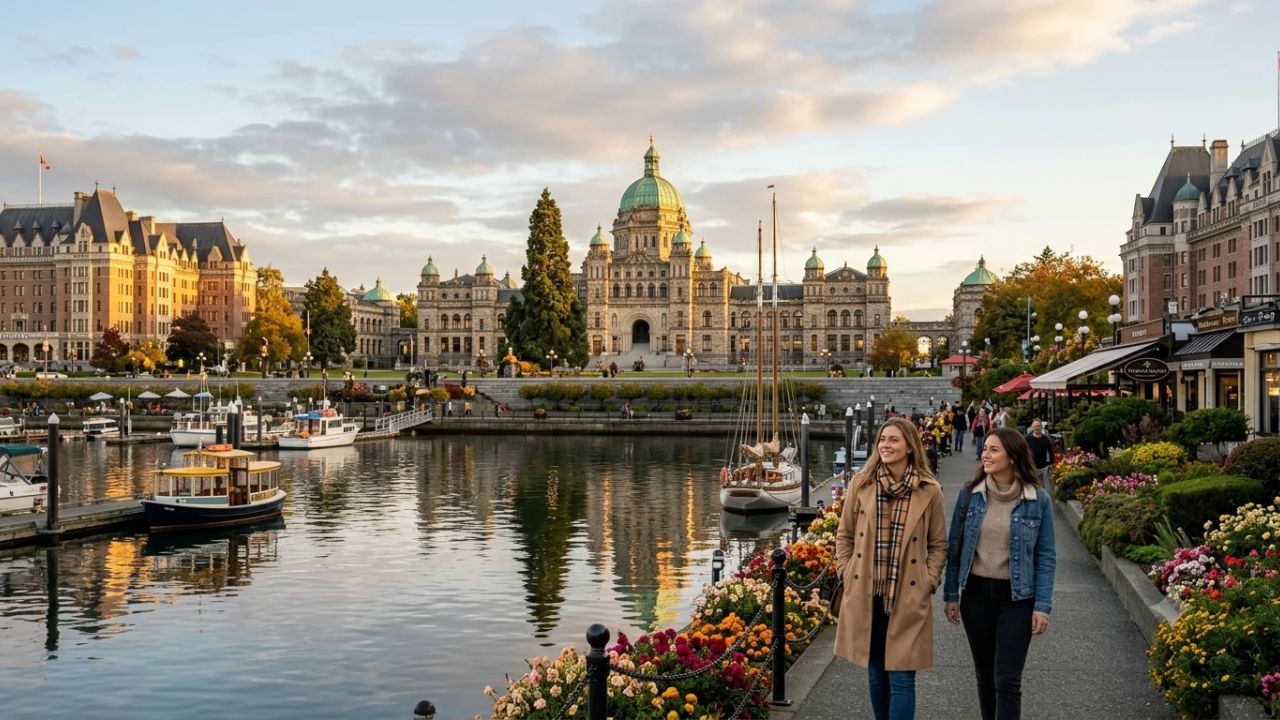
VICTORIA, British Columbia — North American travelers seeking the cobblestone romance, Gothic spires, and storybook charm of historical Europe are increasingly finding world-class heritage holidays without boarding a transatlantic flight. According to an extensive destination benchmarking study released in late 2026, ten distinctive cities across Canada, Mexico, and the United States have been designated as North America’s premier "fairytale" destinations. Led by the historic ramparts of Québec City, the kaleidoscopic colonial canyons of Guanajuato, and the maritime British elegance of Victoria on Vancouver Island, these destinations provide authentic European, Scandinavian, and Spanish colonial architecture paired with localized culinary and cultural traditions.
The rising popularity of North America's fairytale circuit reflects changing economic dynamics in international tourism. Facing elevated transatlantic airfares, fluctuating currency exchange rates, and mounting overtourism tensions across Mediterranean hotspots, holidaymakers from the United States and Canada are prioritizing accessible, nearshore city breaks. By leveraging regional passenger ferry corridors—such as the scenic BC Ferries route connecting Vancouver to Swartz Bay for CAD 21—alongside direct seaplane hops, historic mountain rail links, and complimentary municipal walking tours, travelers can experience centuries of architectural preservation, thermal alpine springs, and UNESCO World Heritage sites at a fraction of the cost of an overseas journey.
NORTH AMERICA'S TOP 10 FAIRYTALE DESTINATIONS: 2026 SCORECARD
| Column 1 | Column 2 | Column 3 | Column 4 | Column 5 |
|---|---|---|---|---|
| Rank | Destination | Country | Heritage Aesthetic | Landmark Travel Highlight |
| 1 | Québec City | Canada | French / Norman | Ramparts of Old Québec (UNESCO) |
| 2 | Guanajuato | Mexico | Spanish Baroque | Subterranean Tunnels & Alleys |
| 3 | San Miguel de Allende | Mexico | Mexican Colonial | Parroquia de San Miguel |
| 4 | Leavenworth | United States | Bavarian Alpine | Cascade Mountain Chalets |
| 5 | Solvang | United States | Danish Provincial | Santa Ynez Windmills & Bakeries |
| 6 | Carmel-by-the-Sea | United States | English Storybook | Comstock Thatched Cottages |
| 7 | Victoria | Canada | Victorian British | Inner Harbour & BC Parliament |
| 8 | St. Augustine | United States | Spanish Colonial | Castillo de San Marcos (1672) |
| 9 | Lunenburg | Canada | Maritime Colonial | British Grid Old Town (UNESCO) |
| 10 | Ouray | United States | Swiss Alpine | San Juan Geothermal Springs |
The Economics of Nearshore Heritage: Why Travelers Are Skipping Europe
For generations, experiencing medieval city gates, half-timbered merchant houses, or ornate Baroque cathedrals required North American vacationers to embark on long-haul flights to the United Kingdom, France, Germany, or Italy. However, several macroeconomic headwinds have fundamentally altered long-haul leisure travel. Peak-season economy flights from major North American gateways to Europe regularly exceed $1,200 to $1,800 per passenger, while hotel rates in prime historical capitals have surged under sustained European inflation and escalating local tourist bed taxes.
In contrast, North America’s fairytale circuit offers compelling economic and logistical advantages:
- Elimination of Long-Haul Jet Lag and Flight Fatigue: Direct regional flights, coastal passenger ferries, and interstate highway road trips allow travelers to maximize brief holiday windows, making four-day weekend escapes feasible.
- Predictable Currency Management: For American travelers, domestic destinations like Leavenworth, Solvang, Carmel, St. Augustine, and Ouray avoid foreign exchange fees. For visitors to Canada, favorable exchange rates against the US dollar provide an immediate 25 to 30 percent discount on premium dining and lodging.
- Living Architectural Authenticity: Far from manufactured theme park replicas, these ten communities represent authentic cultural foundations. Québec City preserves authentic 17th-century French military fortifications; Guanajuato and San Miguel de Allende showcase authentic 18th-century silver mining wealth; and St. Augustine stands as the oldest continuously inhabited European settlement in North America, founded forty-two years before Jamestown.
By substituting an expensive overseas voyage with a regional heritage itinerary, families, couples, and photography enthusiasts can reallocate their travel budgets toward luxury boutique inns, exceptional regional gastronomy, and guided cultural excursions.
The Canadian Vanguard: Victoria, Québec City, and Lunenburg
Canada claims three positions within the top ten fairytale index, showcasing the country’s diverse colonial influences ranging from French fortified settlements to British Pacific administration and Atlantic seafaring outposts.
Victoria, British Columbia (#7): British Elegance on Vancouver Island
Perched on the southern tip of Vancouver Island, Victoria captures the stately atmosphere of late-Victorian Britain framed by snow-capped Pacific peaks. At the center of the city’s visitor appeal lies the Inner Harbour, flanked by the grand British Columbia Parliament Buildings designed by architect Francis Rattenbury in the 1890s. The Legislative Assembly offers complimentary 40-minute guided architectural tours, providing an enriching historical experience without admission fees.
Directly opposite the harbor stands the iconic Fairmont Empress hotel, where the tradition of English afternoon tea has been continuously celebrated since 1908. Travelers can wander past manicured civic flowerbeds, visit the baronial Craigdarroch Castle, explore the world-famous floral displays of The Butchart Gardens, or stroll through Beacon Hill Park overlooking the Strait of Juan de Fuca.
Victoria Transit and Cross-Border Logistics
Reaching Victoria is seamless via multiple air and maritime corridors:
- BC Ferries (Vancouver to Victoria): The primary passenger and vehicular artery operates between Tsawwassen terminal (south of Vancouver) and Swartz Bay (north of Victoria). The crossing takes approximately one hour and 35 minutes, navigating through the picturesque Active Pass. Under the 2026 tariff schedule, standard adult foot-passenger fares are CAD 21 one-way, with advance Saver fares starting at CAD 15. Frequent public express transit connects both ferry terminals directly to downtown Vancouver and downtown Victoria.
- Seattle Seaplane Connections: Travelers departing Washington State can board scheduled floatplane services operated by Harbour Air or Kenmore Air from downtown Seattle’s Lake Union. In approximately 45 minutes, passengers land directly on Victoria’s Inner Harbour, clearing Canadian customs on the municipal dock steps away from central hotels.
- Cross-Border Formalities: US citizens entering Canada by land, sea, or air require a valid US passport, passport card, or NEXUS card. International travelers from visa-exempt countries traveling by air must obtain an electronic Travel Authorization (eTA), while those arriving by ferry from the US do not require an eTA but must present valid entry documentation.
VICTORIA LOGISTICS: BC FERRIES & SEAPLANE TRANSIT MATRIX
| Entity / Facility | Delays | Cancellations | Details |
|---|---|---|---|
| Route Corridor | Transit Operator | Approximate Duration | Baseline Fare Range (2026 Index) |
| Tsawwassen to | BC Ferries | 1 Hour, 35 Minutes | CAD 15 - 21 (Foot Passenger) |
| Swartz Bay | (Passenger/Auto) | Scenic Passage | Vehicle Surcharges Variable |
| Downtown Seattle to | Kenmore Air / | 45 Minutes | $180 - $260 USD One-Way |
| Victoria Harbour | Harbour Air | Direct Harbor-Dock | Premium Scenic Aerial Transit |
| Port Angeles, WA to | Black Ball Ferry | 90 Minutes | $22.50 USD (Foot Passenger) |
| Victoria Harbour | Line (MV Coho) | Cross-Border Strait | Year-Round Vehicle & Walk-on Ferry |
Québec City, Québec (#1): The Unrivaled Crown of New France
Earning first place in the North American fairytale rankings, Québec City is the only walled city north of Mexico, earning UNESCO World Heritage designation in 1985. The Upper Town (Haute-Ville) is perched atop Cap Diamant, crowned by the turrets and copper roofs of the Fairmont Le Château Frontenac—widely recognized as the most photographed hotel on earth.
Visitors descending the steep Breakneck Stairs (Escalier Casse-Cou) or riding the historic funicular arrive in the Lower Town (Basse-Ville). Here, the pedestrianized cobblestone alleys of the Petit-Champlain district and Place Royale present stone buildings dating back to the 1600s, featuring boutique artisan workshops, French bistros, and outdoor terraces overlooking the St. Lawrence River. Québec City delivers an authentic Francophone European atmosphere complete with four centuries of living history, military bastions, and winter carnivals.
Lunenburg, Nova Scotia (#9): Atlantic Canada’s Painted Maritime Marvel
Located along the rugged coast of Nova Scotia, Lunenburg provides a striking maritime contrast to urban capitals. Designated a UNESCO World Heritage site in 1995, Lunenburg represents the best-preserved example of a planned British colonial settlement in North America, established in 1753.
The town’s celebrated waterfront is defined by wooden vernacular architecture painted in bright seafaring colors—deep crimsons, mustard yellows, and cobalt blues. As the homeport of the legendary racing schooner Bluenose II, Lunenburg invites travelers to explore Atlantic shipbuilding heritage, tour working fisheries museums, sample freshly harvested Atlantic scallops, and wander compact hillside streets designed on an 18th-century military grid.
MEXICAN COLONIAL GEMS: GUANAJUATO VS SAN MIGUEL DE ALLENDE
| Entity / Route | Metrics | Operational Status |
|---|---|---|
| Architectural Theme | Guanajuato (#2 Ranking) | San Miguel de Allende (#3 Ranking) |
| Primary Aesthetic | Italianate & Churrigueresque | Spanish Baroque & Neo-Gothic Hybrid |
| Geographical Setting | Dramatic Ravine / Valley Canyon | Rolling Highland Plateau |
| Transit Innovation | Subterranean Tunnel Roadways | Pedestrianized Cobblestone Grid |
| Signature Landmark | Teatro Juárez & Callejón del Beso | Parroquia de San Miguel Arcángel |
| Primary Airport | Del Bajío International (BJX) | Querétaro Intercontinental (QRO) |
| Ground Transfer | 30–45 Minutes Private Shuttle | 60–80 Minutes Regional Transfer |
| Cultural Highlight | International Cervantino Festival | Thriving Fine Arts & Culinary Scene |
Mexico’s Colonial Jewels: Guanajuato and San Miguel de Allende
Occupying second and third positions in the 2026 ranking, Mexico’s central Bajío highlands offer an extraordinary alternative to generic beach resorts, drawing travelers into a golden age of Spanish viceregal wealth and architectural grandeur.
Guanajuato (#2): Subterranean Tunnels and Kaleidoscope Hills
Constructed within a narrow mountainous ravine, Guanajuato was once the silver-mining capital of the world, responsible for two-thirds of the planet’s silver production during the height of the Spanish Empire. The city’s unique topography forced engineers to construct an intricate network of subterranean tunnels running beneath the historic center. Originally built to divert seasonal floodwaters, these subterranean stone vaults now serve as underground roads, leaving the surface entirely pedestrianized and free from traffic exhaust.
Above ground, Guanajuato unfolds as a cascade of brightly colored buildings spilling down steep hillsides. Visitors congregate at the iconic Callejón del Beso (Alley of the Kiss), explore the grand neoclassical façade of the Teatro Juárez, and ride the funicular railway up to the El Pípila monument for panoramic sunset views over a sea of pastel facades. As the host city of the world-renowned Festival Internacional Cervantino, Guanajuato combines dynamic street arts with centuries-old musical traditions.
San Miguel de Allende (#3): Baroque Splendor and Highland Arts
Located an hour east of Guanajuato, San Miguel de Allende has long captivated international artists, writers, and cultural travelers. The city’s visual focal point is the soaring pink limestone facade of the Parroquia de San Miguel Arcángel. Designed in the late 19th century by indigenous stonemason Zeferino Gutiérrez, who drew inspiration from European Gothic postcards, the parish church presides over the central town square (El Jardín).
San Miguel de Allende is celebrated for its pristine colonial preservation, where heavy wooden entry doors open into private courtyards filled with bubbling stone fountains, bougainvillea blossoms, and rooftop terrace restaurants. The town has developed into one of Latin America’s foremost culinary and arts centers, housing galleries, cooking academies, and boutique heritage hotels situated inside restored 18th-century mansions.
Bajío Transit Planning
Both colonial cities are easily accessible via two major regional airports:
- Del Bajío International Airport (BJX / León): Located approximately 30 minutes from Guanajuato and 75 minutes from San Miguel de Allende, BJX offers non-stop flights from major US hubs including Houston, Dallas, Atlanta, and Los Angeles.
- Querétaro Intercontinental Airport (QRO): Situated roughly one hour south of San Miguel de Allende, QRO provides an alternative gateway with convenient highway connections. Pre-arranged private shuttles or licensed airport taxis offer safe, reliable transfers directly to historic center accommodations.
The United States Storybook Circuit: Bavaria, Scandinavia, and the Coast
The United States features five diverse fairytale destinations in the 2026 ranking, demonstrating how immigrant communities and visionary civic leaders reinterpreted European architectural traditions within American landscapes.
Leavenworth, Washington (#4): Bavarian Alpine Village in the Cascades
Nestled in the Cascade Mountains two hours east of Seattle, Leavenworth provides an authentic Bavarian alpine setting. In the 1960s, facing economic ruin following the closure of the local logging and railroad industries, local business leaders executed a visionary community transformation: they enacted strict civic building codes requiring all commercial structures to be rebuilt in authentic Bavarian architectural styles.
Today, Leavenworth features timbered chalets, ornate wooden balconies overflowing with summer petunias, traditional German beer halls, and a specialized Nutcracker Museum housing thousands of antique figures. During the winter, the town hosts its celebrated Village of Lights festival, transforming snow-draped alpine roofs into an illuminated storybook wonderland. Outdoor enthusiasts can combine cultural dining with world-class skiing at nearby Stevens Pass, whitewater rafting on the Wenatchee River, and hiking through the Alpine Lakes Wilderness.
Solvang, California (#5): Danish Provincial Traditions in the Santa Ynez Valley
Situated in the rolling wine country of Santa Barbara County, Solvang was founded in 1911 by a group of Danish-American educators seeking to establish a traditional Danish folk school in the California sunshine. Over the decades, the community embraced its Nordic roots, constructing authentic thatched-roof buildings, functioning traditional windmills, and half-timbered merchant shops.
Visitors to Solvang can sample warm aebleskiver (round Danish pancake puffs dusted with powdered sugar and served with raspberry jam) at multi-generational family bakeries, visit the Elverhøj Museum of History and Art, and explore the Hans Christian Andersen Museum. The town’s walkable avenues, lined with gas lamps and horse-drawn carriage tours, provide an idyllic base for exploring the surrounding Santa Ynez Valley wine region.
Carmel-by-the-Sea, California (#6): Storybook Cottages and Pacific Bluffs
Located on the Monterey Peninsula, Carmel-by-the-Sea evokes an English fairy tale set against the crashing waves of the Pacific Ocean. The village’s distinctive aesthetic was established during the 1920s by designer Hugh Comstock, who built whimsical, fairytale-inspired cottages featuring steeply pitched cedar shingle roofs, asymmetrical stone chimneys, and rolled eaves—most notably exemplified by the iconic Tuck Box cottage.
Carmel maintains unique civic traditions that protect its village character: there are no street numbers, parking meters, or neon signs, and mail is collected by residents at the central post office. Visitors can wander through hidden brick passageways, discover dozens of fine art galleries, dine in intimate garden courtyards, and walk down Ocean Avenue to the pristine white sands of Carmel Beach.
AMERICAN HERITAGE: SPANISH FORTRESS VS ALPINE HOT SPRINGS
| Entity / Route | Metrics | Operational Status |
|---|---|---|
| Destination Feature | St. Augustine, Florida (#8) | Ouray, Colorado (#10) |
| Natural Setting | Atlantic Coastal Estuary | Rugged San Juan Mountain Amphitheater |
| Primary Era | 16th - 18th Century Spanish Empire | Late 19th Century Victorian Mining Boom |
| Flagship Monument | Castillo de San Marcos (NPS) | Ouray Perimeter Trail & Historic District |
| Admission Standard | $15 Adult Pass (Valid 7 Days) | Free Town Strolls / Paid Thermal Springs |
| Unique Asset | Coquina Stone Fortifications | Odorless Natural Geothermal Pools |
| Winter Attraction | Nights of Lights Festival | Ouray Ice Park & Million Dollar Highway |
Sunbelt Fortresses and Alpine Springs: St. Augustine and Ouray
The final two American entries on the list offer contrasting geographical landscapes, demonstrating the vast range of heritage travel available across the continent.
St. Augustine, Florida (#8): Spain’s Timeless Coastal Redoubt
Founded in 1565 by Spanish admiral Pedro Menéndez de Avilés, St. Augustine is the oldest continuously inhabited European city in the United States. Its crown jewel is the Castillo de San Marcos National Monument, a 17th-century masonry fortress constructed from coquina—a unique sedimentary rock composed of crushed sea shells that absorbed cannonball fire without shattering.
The National Park Service manages the fortress, offering standard adult admission at an accessible USD 15, which remains valid for seven consecutive days, while children aged 15 and under enter free when accompanied by an adult. Visitors can stroll down pedestrianized St. George Street in the Spanish Quarter, tour the grand Spanish Renaissance revival architecture of Flagler College (originally Henry Flagler's Ponce de León Hotel), and witness historic cannon firings overlooking the Matanzas Bay.
Ouray, Colorado (#10): The Switzerland of America
Nestled in a tight granite amphitheater in southwestern Colorado’s San Juan Mountains, Ouray earns its title as the "Switzerland of America." Established during the silver rush of the 1870s, the entire town is a designated National Historic District, lined with impeccably preserved Victorian brick hotels, saloons, and wooden false-front mercantile shops.
What elevates Ouray into a fairytale alpine escape is its combination of dramatic mountain landscapes and odorless natural geothermal hot springs. After a day of mountain walking along the Ouray Perimeter Trail or navigating the spectacular Million Dollar Highway (US 550), visitors can soak in outdoor hot springs pools fed by natural mineral waters that remain hot year-round without the sulfur smell typical of volcanic springs. During winter, the town transforms into an ice-climbing destination, centered on the world-famous Ouray Ice Park.
Strategic Travel Blueprint: Logistics, Budgeting, and Itinerary Planning
Planning a successful journey across North America's fairytale circuit requires strategic attention to regional transport links, seasonal weather windows, and accommodation booking cycles:
1. Optimize Shoulder Season Travel Windows
While summer offers ideal weather across Canada and mountain destinations, it also brings peak visitor crowds and elevated lodging rates.
- Spring (April to May): Delivers spectacular floral displays in Victoria and Vancouver Island gardens, as well as uncrowded wine tasting in California’s Santa Ynez Valley.
- Autumn (September to October): Offers the most comfortable temperatures and striking mountain foliage in Québec City, Ouray, and Leavenworth, while Guanajuato and San Miguel de Allende feature pleasant highland weather following the rainy season.
- Winter Illuminations: Destinations like Leavenworth, Québec City, and St. Augustine host world-renowned winter lighting festivals, creating enchanting holiday atmospheres for cold-weather travelers.
2. Prioritize Walkable Downtown Accommodations
In every one of these ten cities, the primary historic attractions are concentrated in compact, highly walkable town centers. Selecting a hotel, bed-and-breakfast, or vacation rental located within the historic district allows travelers to completely avoid rental car parking hassles and explore cobblestone passages, evening bistros, and waterfront promenades on foot.
3. Capitalize on Complimentary Civic Culture
High-value heritage travel does not require an extravagant budget. Many of the most memorable experiences in these fairytale destinations are entirely free:
- Joining the complimentary guided architectural tours of Victoria’s British Columbia Parliament Buildings.
- Walking the ancient fortified ramparts and Dufferin Terrace in Québec City.
- Exploring the pedestrianized underground streets and public plazas of Guanajuato.
- Strolling through Carmel’s Comstock cottage neighborhoods and public Pacific beach.
- Hiking the scenic public trails overlooking the alpine cliffs of Ouray and Leavenworth.
By blending free civic landmarks with targeted investments in local culinary specialties and historic site passes, travelers can craft an unforgettable cultural escape that rivals any European journey while remaining comfortably close to home.
Related Travel Guides
This article is for informational purposes. Flight routes, passenger regulations, visa rules, and transit advisories are subject to change by airlines and aviation authorities. Readers are advised to verify schedules and travel documentation with relevant carriers and border agencies before departure.
Related Stories
Hanoi Opens 12 Old Quarter Heritage Sites for Creative Design Festival as Vietnam Accelerates High-Yield City Breaks

Seattle-Tacoma and US Hubs Revolutionize Terminals: Guest Passes, Craft Dining, and Post-Security Retail Guide 2026