
Senegal Tourism Shift 2026: Dakar Art Scene, Gorée Island and Sine-Saloum Delta Drive Growth
Senegal is pivoting from beach resorts to a diversified tourism model centered on Dakar's art galleries, the heritage of Gorée Island, and eco-tourism in the Sine-Saloum Delta.
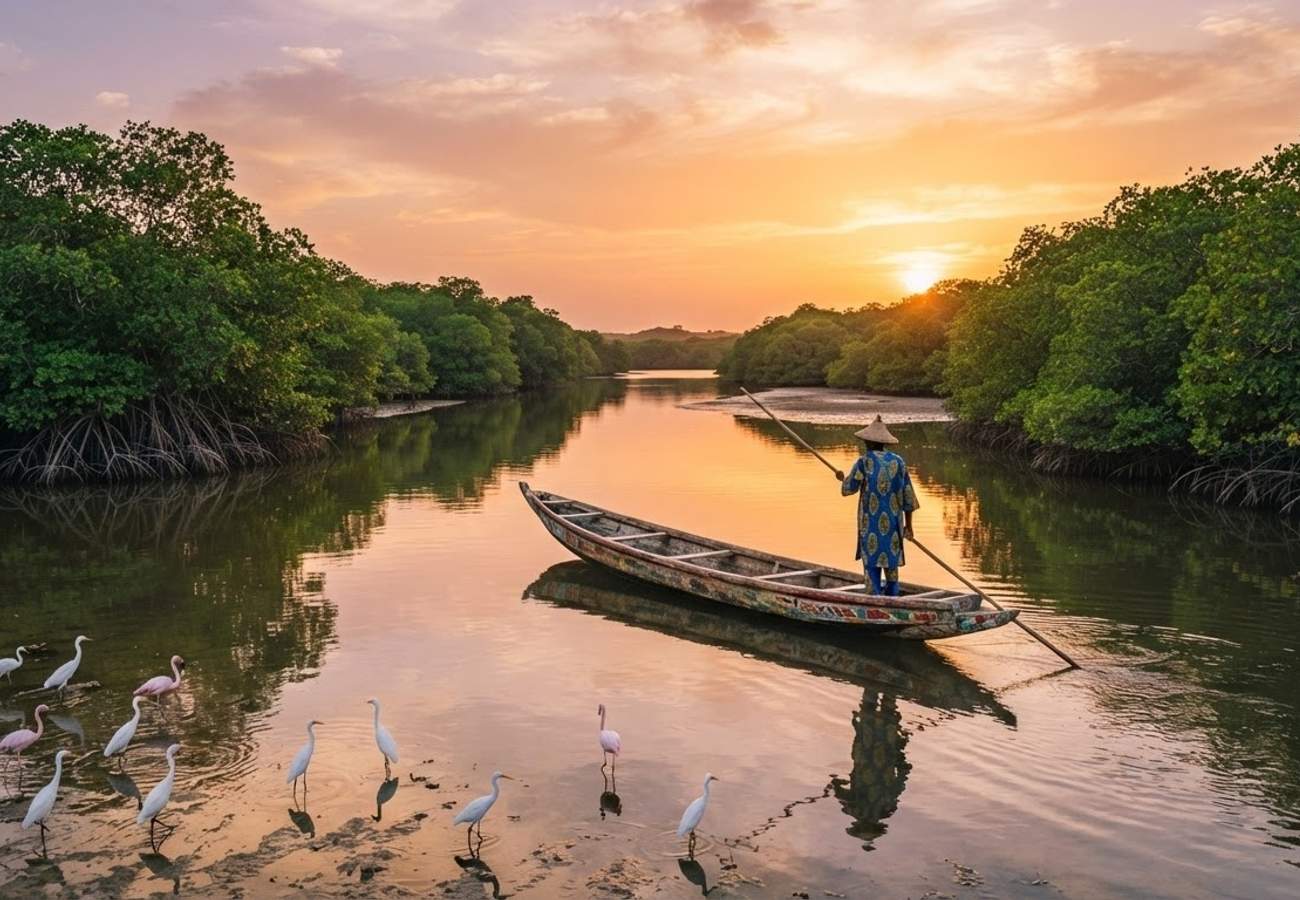
Image generated by AI
Senegal is aggressively transitioning its tourism identity. The traditional reliance on beach-and-resort models is being replaced by a high-value circuit linking the urban creativity of Dakar, the historical weight of Gorée Island, and the ecological depth of the Sine-Saloum Delta.
The Urban Pivot: Dakar as a Creative Hub
Dakar has evolved into a primary cultural engine for West Africa. The city's appeal now rests on a tiered art experience that blends massive state institutions with grassroots contemporary spaces.
The Museum of Black Civilisations serves as the anchor for this movement, providing an academic and artistic deep dive into African heritage. This is complemented by the African Renaissance Monument, which functions as both a symbolic landmark and a primary visual draw for international visitors.
Beyond the landmarks, the neighborhoods of Almadies and Plateau are the current epicenters of the contemporary scene. Here, independent galleries and artist-led spaces allow travelers to engage with emerging Senegalese movements in a more intimate setting.
Heritage and Memory: Île de Gorée
Maritime connectivity from Dakar makes Gorée Island a seamless addition to urban itineraries. As a UNESCO World Heritage Site, the island operates less as a sightseeing destination and more as a site of cultural pilgrimage.
The island's narrow streets and preserved architecture document the transatlantic slave trade. The compact geography ensures that the experience remains immersive and pedestrian-centric, focusing on guided historical tours and museum visits.
Eco-Tourism Expansion: Sine-Saloum and Casamance
Moving south, the tourism profile shifts from urban energy to ecological preservation. The Sine-Saloum Delta has become a magnet for high-end, low-impact travel.
The region is defined by its mangrove forests and complex waterways. Rather than large-scale hotel developments, the area has seen a rise in boutique eco-lodges that integrate directly into the landscape. These establishments cater specifically to:
- Avian Specialists: The delta's biodiversity attracts birdwatchers, effectively extending the tourism season into the shoulder months.
- Adventure Travelers: Pirogue safaris—using traditional local boats—allow visitors to navigate mangrove channels and observe coastal wildlife.
- Wellness Seekers: The Casamance estuary further south complements this trend, offering river excursions and wellness retreats focused on "slow travel."
Core Tourism Data and Milestones
The following timeline and highlights summarize the structural evolution of Senegal's tourism assets.
| Milestone / Asset | Year/Status | Significance |
|---|---|---|
| Gorée Island UNESCO Listing | 1978 | Established global heritage status |
| Museum of Black Civilisations | 2018 | Launched international cultural institutionalism in Dakar |
| Almadies & Plateau Galleries | Ongoing | Expansion of contemporary art infrastructure |
| Sine-Saloum Eco-lodges | Ongoing | Shift toward sustainable, nature-based luxury |
Key Route Takeaways:
- Dakar: Museum of Black Civilisations and African Renaissance Monument.
- Gorée: UNESCO heritage and transatlantic slave trade history.
- Sine-Saloum: Pirogue safaris, mangrove exploration, and birdwatching.
- Casamance: River excursions and wellness-centric slow travel.
Why This Matters: Industry Analysis
From a logistical perspective, Senegal is successfully building a "diversified circuit." Most African destinations suffer from "single-point attraction" syndrome—where a traveler visits one major site and leaves. By linking Dakar's art, Gorée's history, and Sine-Saloum's nature, Senegal is increasing the Average Length of Stay (ALOS).
For the travel industry, the rise of the Sine-Saloum Delta is particularly significant. By targeting birdwatchers and wellness tourists, Senegal is decoupling its revenue from the traditional "winter sun" peak season. This creates a more stable, year-round economy for local boutique lodge operators.
Furthermore, the focus on Almadies and Plateau suggests a shift toward "Creative Tourism." This attracts a higher-spending, younger demographic (Digital Nomads and Art Collectors) who prioritize authenticity and local interaction over sanitized resort experiences.
Forward Outlook
Expect a continued push toward maritime infrastructure. As Gorée Island's popularity grows, the efficiency of boat transfers from Dakar will be the primary bottleneck.
In the south, the growth of the Casamance estuary suggests that Senegal will soon market itself as a premier "wellness destination" in West Africa. We anticipate a rise in integrated packages that combine urban art tours in the north with deep-nature retreats in the south, creating a comprehensive national travel product.
Senegal is no longer just a stopover; it is becoming a destination for the culturally curious.
Related Travel Guides
Disclaimer
This article is for informational and educational purposes only. It does not constitute legal, financial, or professional advice. While we strive to provide accurate and up-to-date information, travel policies, regulations, and conditions change rapidly. Always verify information with official sources before making travel decisions. Nomad Lawyer makes no representations about the accuracy, reliability, completeness, or suitability of the information provided. Readers should consult qualified professionals for advice specific to their circumstances. The views expressed in this article are those of the author and do not necessarily reflect the views of Nomad Lawyer.