
Ardèche Eco-Tourism Model: France's Zero-Airport Region Drives Rural GDP Growth in 2026
Ardèche demonstrates a transformative travel model by eschewing commercial airports and highways to protect ecosystems while leveraging 6,000 km of cycling paths and prehistoric heritage to drive high-value, low-impact tourism.

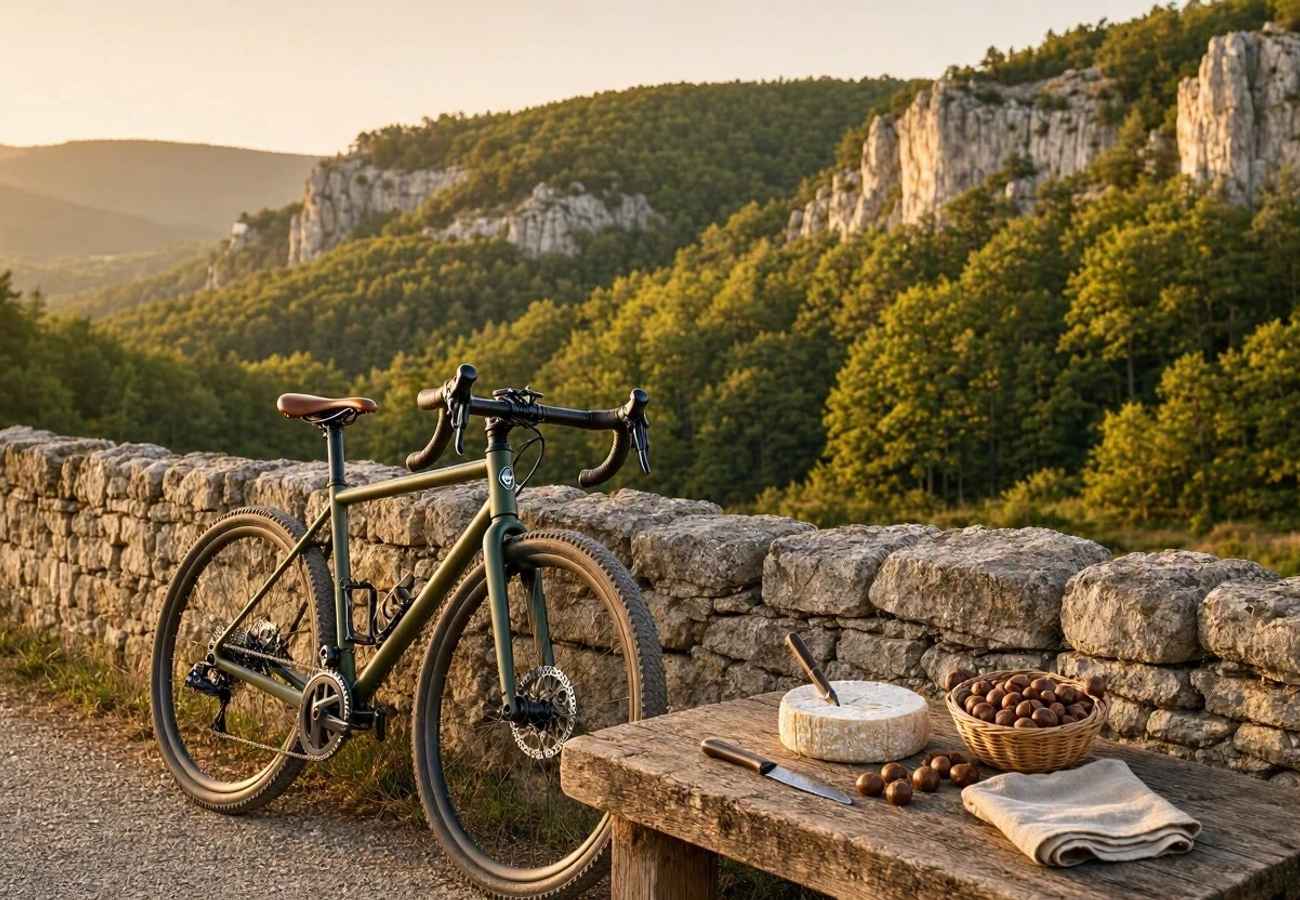
Image generated by AI
Zero commercial airports, zero major highways, and zero passenger train networks define the Ardèche department, marking it as a rare anomaly in the French administrative landscape. While most global destinations chase connectivity through infrastructure expansion, this region has intentionally maintained a transportation vacuum to shield its fragile ecosystems. By replacing concrete hubs with 6,000 km of maintained cycling paths, Ardèche has created a blueprint for destination management that prioritizes ecological integrity over mass-transit volume.
The Infrastructure Vacuum as a Strategic Asset
The absence of heavy transit infrastructure in Ardèche is not a failure of development but a deliberate conservation strategy. This approach forces a shift in traveler behavior, moving away from the "touch-and-go" nature of metropolitan tourism toward a slower, more immersive experience. This model is currently being studied by international planners as a way to mitigate the degradation typically associated with high-volume tourism.
The regional economy has pivoted toward a resilient framework that integrates agricultural heritage with active recreation. In villages like Les Vans and Chambonas, the economic engine is fueled by family-operated roadside stalls and artisanal production rather than large-scale resorts. This ensures that tourism capital remains within the local community, bypassing the leakage often seen in corporate-led tourism developments.
Macroeconomic Impact of Low-Density Tourism
France's broader economic reliance on travel is staggering, with tourism contributing approximately 9.1% to the national GDP. The Ardèche region plays a specific role in this stability by attracting "high-value" visitors—travelers who stay longer and spend more per capita within the local economy.
Regional Economic and Tourism Metrics
| Metric | Data Point | Context/Detail |
|---|---|---|
| National Tourism Receipts | €77.5 Billion | Total record for France |
| National GDP Contribution | 9.1% | Percentage of total GDP from tourism |
| Rural Overnight Stays | 260 Million+ | Annual commercial accommodation nights |
| Chestnut Production | 5,000+ Tons | Annual yield (50% of French domestic total) |
| Global Chèvre Market Value | $8.6 Billion | Value of the specialized gourmet goat cheese industry |
| Chauvet 2 Project Cost | €55 Million | Investment in 3D-replica cave engineering |
| Chauvet 2 Visitor Volume | 350,000 - 450,000 | Annual visitors to the replica site |
Expert Analysis: The Economics of Exclusion
For travelers booking a trip to this region, the direct consequence of the "zero-infrastructure" policy is a higher barrier to entry. You cannot fly into Ardèche or take a high-speed train directly to its center. This creates a natural filter, attracting a demographic of eco-conscious travelers and outdoor enthusiasts who are willing to navigate the logistics of car rentals or cycling.
The pricing pressure this creates is beneficial for the local producer. Because there are no mass-market resorts to undercut local prices, the "terroir" market—specifically for Picodon AOP goat cheese and chestnuts—operates on a direct-to-consumer model. By removing the intermediary distribution networks, smallholder farmers capture the full retail value of their goods.
Furthermore, the management of the UNESCO World Heritage site at Chauvet Cave represents a masterclass in heritage law and engineering. By spending €55 million to build Grotte Chauvet 2—a 3,500-square-meter millimeter-precise replica—authorities solved the paradox of public access versus preservation. This prevents the humidity and carbon dioxide from human breath from destroying 36,000-year-old Paleolithic art while still capturing the revenue and educational value of the site.
Key Takeaways
- Infrastructure Gap: Ardèche is the only French department with no commercial airports, major highways, or passenger rail, utilizing 6,000 km of bike paths instead.
- Agricultural Dominance: The region produces 50% of France's chestnuts (5,000+ tons annually) and is a key player in the $8.6 billion global goat cheese market.
- Conservation Engineering: To protect 36,000-year-old art, the original Chauvet Cave is closed; visitors instead use Grotte Chauvet 2, a €55 million high-tech replica.
- Eco-Tourism Revenue: The region contributes to France's €77.5 billion tourism receipts by focusing on low-density, high-spend rural stays.
- Natural Landmarks: The 54-meter-high Pont d'Arc and the 35 km Grande Traversée de L’Ardèche serve as primary anchors for adventure tourism.
FAQ: Ardèche Travel 2026
How do I get to Ardèche if there are no airports or trains? Visitors typically fly into nearby hubs like Lyon or Marseille and rent a vehicle. Once in the region, the French Ministry of Tourism recommends utilizing the extensive 6,000 km network of cycling paths for local exploration.
Can I visit the original Chauvet Cave? No. To prevent environmental degradation of the 36,000-year-old paintings, the original cave is strictly prohibited to the public. You must visit Grotte Chauvet 2, the millimeter-precise replica.
What are the best outdoor activities in the region? The most popular activities include 7 km guided kayaking trips through limestone canyons and hiking the 35 km route of the Grande Traversée de L’Ardèche toward Vallon Pont d’Arc.
What local products should I look for? Focus on the "terroir" markets in Les Vans and Chambonas. Specifically, look for Picodon AOP goat cheese and locally harvested chestnuts, as the region produces half of France's total supply.
A masterclass in the power of saying "no" to concrete to save the soul of the countryside.
Related Travel Guides
Disclaimer
This article is for informational and educational purposes only. It does not constitute legal, financial, or professional advice. While we strive to provide accurate and up-to-date information, travel policies, regulations, and conditions change rapidly. Always verify information with official sources before making travel decisions. Nomad Lawyer makes no representations about the accuracy, reliability, completeness, or suitability of the information provided. Readers should consult qualified professionals for advice specific to their circumstances. The views expressed in this article are those of the author and do not necessarily reflect the views of Nomad Lawyer.
Naina Thakur
Contributor & Travel Specialist
Travel enthusiast and legal writer covering visa regulations, responsible tourism, and cultural journeys across global destinations.
Learn more about our team →