
Seychelles Aldabra Atoll Giant Tortoise Conservation and Restricted Access Eco-Tourism Rules 2026
Aldabra Atoll's population of 180,000 giant tortoises now exceeds the human population of Seychelles, driving a strict high-value, low-volume tourism model.

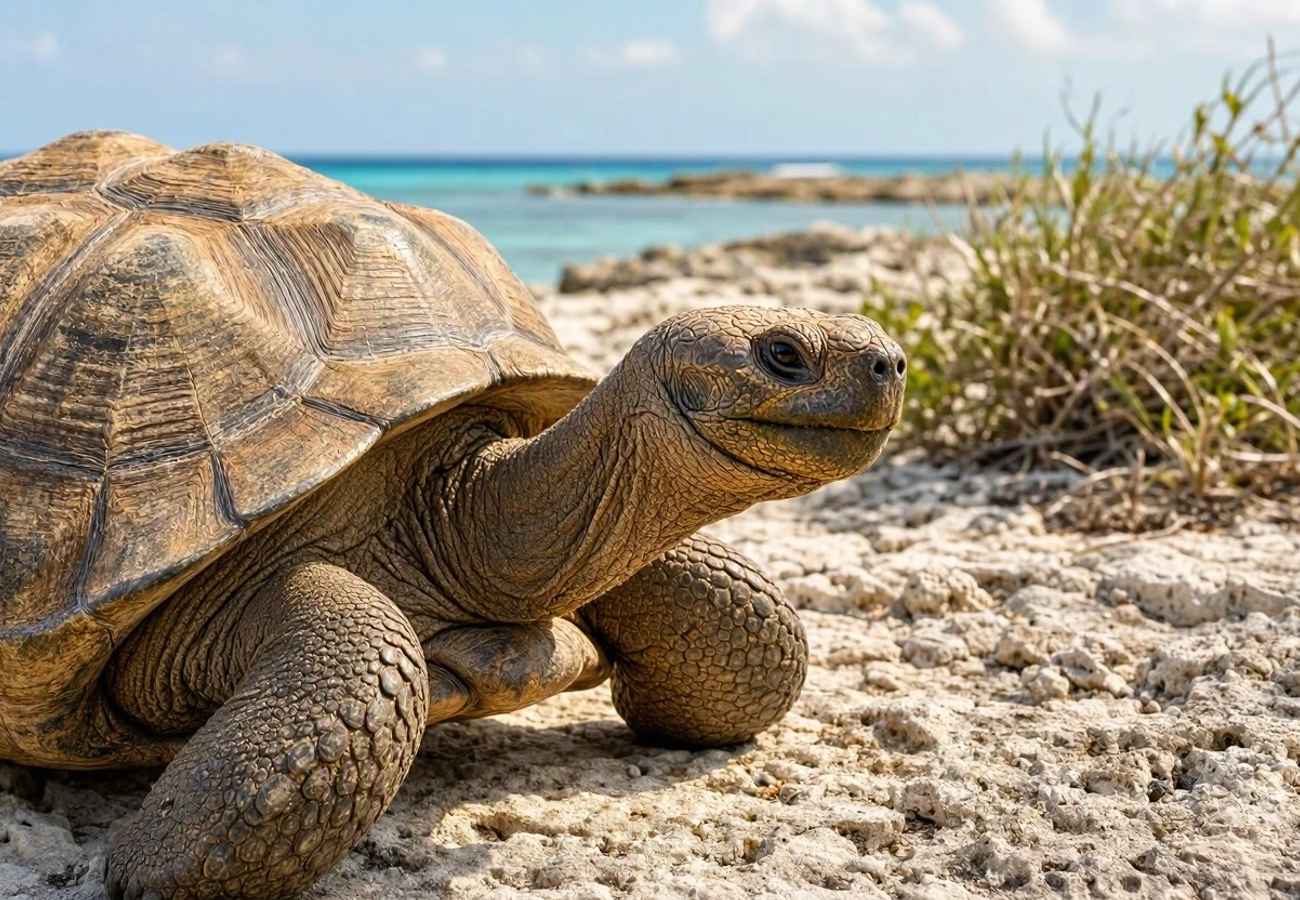
Image generated by AI
A traveler arriving at the remote shores of Aldabra Atoll today enters a world where humans are the extreme minority, facing a population of 180,000 giant tortoises that now outnumbers the entire human population of the Seychelles. This biological anomaly is not an accident but the result of a rigid legal and geographical fortress designed to protect one of the planet's most vulnerable ecosystems.
The Aldabra Atoll Conservation Model: Facts and Figures
The Aldabra Atoll serves as a global case study in regenerative wildlife management. Once pushed to the brink of extinction by 18th and 19th-century mariners who harvested over 100,000 tortoises for food and oil, the region has seen a massive recovery. The turning point arrived in 1982 when the atoll was designated a UNESCO World Heritage Site, triggering international legal protections that halted illegal harvesting.
Today, the tortoises act as "ecosystem engineers," maintaining the landscape by pruning scrub and dispersing seeds. In high-density zones, the population has reached a staggering 1,000 to 1,500 tortoises per square kilometer.
Geographic Isolation and Access Constraints
The atoll's survival is largely due to its extreme distance from urban centers, creating a natural filter that prevents mass tourism.
| Metric | Data Point |
|---|---|
| Distance from Mahé Island | 1,150 kilometers (715 miles) |
| Distance from Madagascar | 420 kilometers |
| Total Dry Land Area | 155 square kilometers (60 square miles) |
| Inner Lagoon Area | 224 square kilometers |
| Average Sea Transit Time | 34 to 48 hours |
| Annual Visitor Cap | 1,000 to 1,500 individuals |
Your Rights and Requirements as a Visitor
Visiting Aldabra is not a standard vacation; it is a highly regulated expedition. Unlike mainland tourism, you cannot simply book a flight and hotel. Access is governed by strict permit frameworks and biosecurity protocols to prevent the introduction of invasive species.
Legal and Regulatory Obligations:
- Permit Mandates: All visitors must secure official permits from the Seychelles government. Failure to produce these can lead to immediate deportation or heavy fines.
- Eco-Certification: Travelers must utilize eco-certified maritime itineraries. Only specific vessels meeting strict environmental standards are permitted to dock.
- Biosecurity Compliance: You are legally required to adhere to rigorous cleaning protocols for gear and clothing to protect the endemic flora and fauna.
For those planning such a trip, it is advisable to verify current maritime regulations via the Seychelles Tourism Board or track vessel movements using Flightradar24 (which also tracks some maritime transponders) to understand the logistics of remote expedition arrivals.
Rebooking and Expedition Strategy
Because Aldabra is only accessible via specialized oceanic vessels, a cancellation or disruption can be catastrophic for a traveler's itinerary.
Practical Logistics for Expedition Travelers:
- The Buffer Rule: Always schedule at least 72 hours of buffer time in Mahé or Madagascar. Given the 34-48 hour transit time, a single mechanical failure on a small vessel can result in a missed window of access.
- Alternative Routes: If an Aldabra permit is denied or a vessel is canceled, consider the Praslin or Mahé reserves for tortoise encounters, though these lack the raw scale of the atoll.
- Refund vs. Credit: Most high-end expedition cruises operate under strict "non-refundable" deposit terms due to the limited number of permits. Always secure comprehensive travel insurance that specifically covers "expedition cancellation."
FAQ: Visiting Aldabra Atoll 2026
Can I visit Aldabra Atoll as a day-tripper? No. Due to the 34-48 hour sea transit from regional ports and strict annual visitor caps (1,000-1,500 people), day trips are physically and legally impossible.
Am I entitled to a refund if my expedition vessel is canceled? This depends on your contract. However, under general consumer protection for high-value travel, you should seek a full refund if the operator cannot provide the specific permit-backed access promised.
What are the biosecurity risks? The primary risk is the introduction of invasive seeds or insects. Visitors must undergo strict gear inspections to ensure the 180,000 tortoises and native plants remain undisturbed.
How do I apply for a visitor permit? Permits are generally handled through licensed eco-expedition operators who coordinate with the Seychelles government. You cannot typically apply as an independent traveler.
True wilderness exists only where human restraint is the law.
Related Travel Guides
Disclaimer
This article is for informational and educational purposes only. It does not constitute legal, financial, or professional advice. While we strive to provide accurate and up-to-date information, travel policies, regulations, and conditions change rapidly. Always verify information with official sources before making travel decisions. Nomad Lawyer makes no representations about the accuracy, reliability, completeness, or suitability of the information provided. Readers should consult qualified professionals for advice specific to their circumstances. The views expressed in this article are those of the author and do not necessarily reflect the views of Nomad Lawyer.
Preeti Gunjan
Contributor & Community Manager
A passionate traveller and community builder. Preeti helps grow the Nomad Lawyer community, fostering engagement and bringing the reader experience to life.
Learn more about our team →