
Saudi Arabia Tourism and Aviation Update: Riyadh Airport Alerts, Vision 2030 Growth, and Travel Guide 2026
Following swift air defense interceptions and flight recovery near Riyadh on September 19, Saudi Arabia maintains its 150-million visitor 2030 trajectory while advising traveler vigilance.

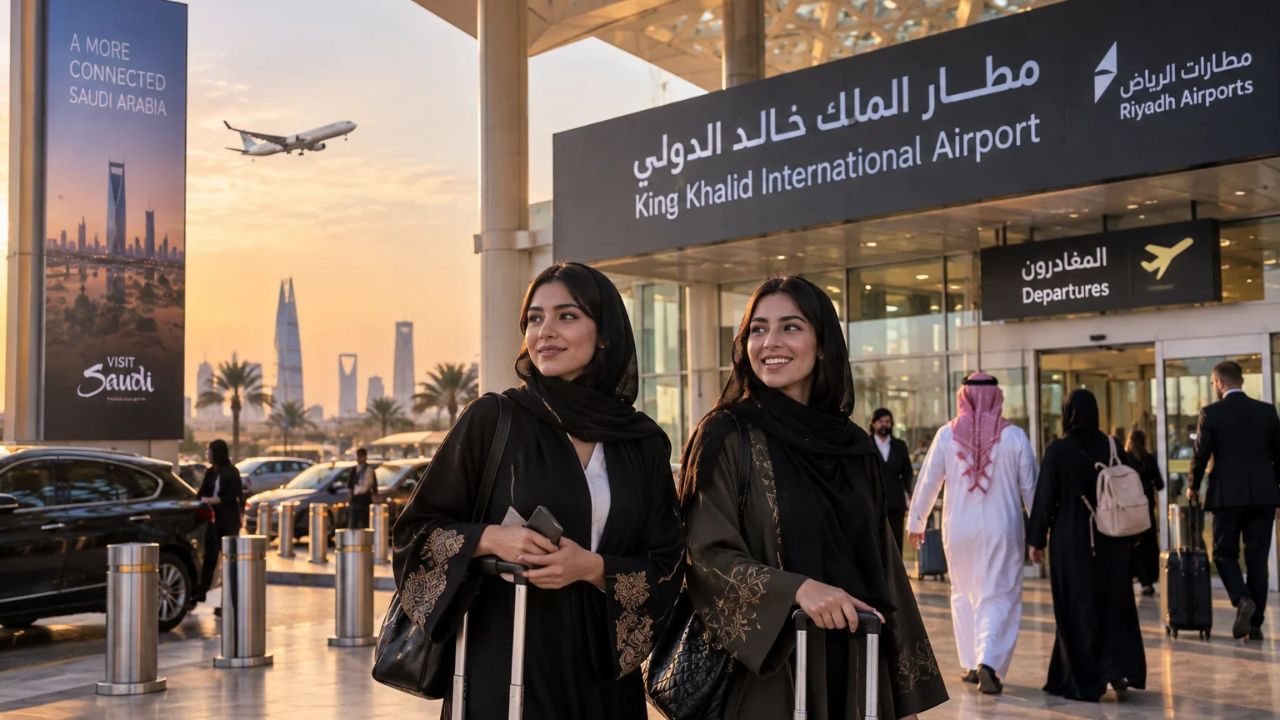
Welcoming approximately 123 million total tourists in 2025—including more than 30 million international arrivals—Saudi Arabia processed over 140 million commercial airport passengers across its aviation network as it accelerates toward its Vision 2030 target of 150 million annual visitors. That momentum faced a test on 19 September 2026, when regional security alerts prompted temporary flight holds and reroutings around King Khalid International Airport (RUH) in Riyadh following successful air defense interceptions, before civil aviation operations swiftly returned to standard schedules.
The brief operational disruption highlighted how Middle Eastern geopolitical tensions intersect with commercial air travel and business conference schedules. While the Civil Defence confirmed the immediate aerial threat had passed and normal flight movements resumed, international voyagers, corporate delegates attending Riyadh exhibitions, and leisure travelers are keeping a close watch on regional aviation advisories.
Aviation Resilience and Saudi Arabia's Vision 2030 Tourism Goals
Saudi Arabia has positioned tourism and international events at the heart of its national economic diversification strategy. Riyadh is expanding as a global diplomatic and business nexus, hosting major international congresses ahead of Expo 2030 Riyadh.
The scale of the Kingdom's tourism infrastructure expansion provides context for its operational resilience:
| Tourism & Aviation Indicator | Recorded Performance Benchmark | Vision 2030 Target & Strategic Context |
|---|---|---|
| Total Annual Visitors (2025) | ~123 million domestic & international visitors | Progressing steadily toward 150 million annual goal |
| International Tourist Volume | Over 30 million international travelers | Accelerated through streamlined one-year multiple-entry eVisas |
| Airport Passenger Throughput | Over 140 million passengers across Saudi airports | Expanded capacity at Riyadh (RUH) and Jeddah (JED) |
| Riyadh Security Event (19 Sept) | Threat intercepted; temporary flight delays | Rapid operational recovery within hours |
| Global Travel Advisory Status | U.S. State Department Heightened Vigilance advisory | Standard monitoring recommended across the region |
| Signature Milestone Project | Expo 2030 Riyadh & Diriyah Gate | Multi-billion-dollar cultural and hospitality developments |
While international travel advisories urge travelers across the Middle East to exercise heightened vigilance, flight operations across Saudi flag carriers Saudia and Riyadh Air, as well as international carriers including Emirates, Qatar Airways, British Airways, and Lufthansa, continue to maintain scheduled passenger rotations.
What Makes Riyadh a Compelling Cultural Gateway
Beyond modern commercial developments, Riyadh presents a striking convergence of traditional Najdi mud-brick architecture and ambitious urban design.
Just northwest of the capital lies the historic At-Turaif district in Diriyah, inscribed on the UNESCO World Heritage Centre list as the original home of the Saudi royal family. The restored citadel features ancient defensive walls, palace ruins, and the open-air Bujairi Terrace dining enclave, where travelers dine overlooking the illuminated mud-brick fortress across the Wadi Hanifa oasis.
In central Riyadh, travelers can explore the 19th-century Al Masmak Fortress—where the modern Kingdom was unified in 1902—before walking through Souq Al Zal, one of the oldest traditional bazaars in the Arabian Peninsula, famous for hand-woven carpets, incense, and silver daggers. Contrast this with the King Abdullah Financial District (KAFD) and Kingdom Centre tower, which showcase visionary high-rise engineering designed by world-renowned architects.
According to Visit Saudi, cultural exploration extends beyond the capital to the ancient Nabataean rock tombs of Hegra in AlUla and the cool mountain terraces of Abha and Asir in the south.
Visitor Insider Tips for Traveling to Riyadh
- Verify Flight Status via Airline Apps Before Airport Departure: While King Khalid International Airport is fully functional, regional airspace detours can occasionally shift gate departure times by 30 to 60 minutes. Maintain active airline app notifications and reconfirm flight times before leaving your hotel.
- Apply for the Saudi Instant Tourist eVisa Online: Passport holders from over 66 eligible countries (including North America, the UK, the European Union, Australia, and GCC residents) can obtain a one-year, multiple-entry tourist eVisa online in under 15 minutes through the official Ministry of Foreign Affairs portal.
- Ride the Riyadh Metro to Bypass Urban Traffic: Connect between major business districts, KAFD, and cultural hubs using the modern driverless Riyadh Metro network. Trains feature clean, air-conditioned carriages with dedicated family, single, and first-class compartments.
- Schedule Diriyah and Bujairi Terrace Visits for Sunset: Visit At-Turaif and Bujairi Terrace between 5:00 PM and 9:00 PM. The cooler desert evening temperatures and architectural lighting over the mud-brick ruins create an ideal atmosphere for dining and walking.
- Purchase Flexible Travel Insurance for Business Trips: If attending international trade exhibitions or MICE conferences in Riyadh, ensure your corporate travel insurance policy includes comprehensive trip interruption, missed connection, and flexible cancellation coverage.
Cultural and Environmental Context
Saudi Arabia's tourism boom is accompanied by comprehensive environmental rehabilitation initiatives. Within Riyadh, the King Salman Park project is transforming a former military airbase into the world's largest urban green park, planting hundreds of thousands of native desert acacia trees to improve urban air quality.
Concurrently, the restoration of Wadi Hanifa has revitalized natural wetlands, creating a continuous green corridor that cools surrounding neighborhoods and supports migratory bird species. By respecting local dress customs (modest attire in public places) and patronizing local Saudi artisans in heritage souqs, international visitors contribute to sustainable cultural preservation and community-led heritage stewardship.
FAQ: Visiting Riyadh and Saudi Arabia 2026
Is King Khalid International Airport in Riyadh operating normally?
Yes. Flight operations at King Khalid International Airport (RUH) are operating on standard schedules following swift recovery after temporary delays on September 19.
How do international visitors obtain a tourist visa for Saudi Arabia?
Citizens from eligible nations can apply online for a one-year, multiple-entry tourist eVisa through the official Visit Saudi portal, allowing stays up to 90 days per visit.
What is the best season to visit Riyadh for leisure travel?
November through March provides pleasant autumn and winter weather with daytime temperatures between 18°C and 26°C, ideal for outdoor sightseeing and desert exploration.
Is Riyadh safe for international business and solo travelers?
Yes. Riyadh maintains very low street crime rates and modern infrastructure, though travelers should monitor official government travel advisories and stay informed during periods of regional tension.
With resilient aviation connections and majestic heritage sites, Riyadh stands as a dynamic crossroad where ancient history meets tomorrow's ambitions.
Related Travel Guides
Disclaimer
This article is for informational and educational purposes only. It does not constitute legal, financial, or professional advice. While we strive to provide accurate and up-to-date information, travel policies, regulations, and conditions change rapidly. Always verify information with official sources before making travel decisions. Nomad Lawyer makes no representations about the accuracy, reliability, completeness, or suitability of the information provided. Readers should consult qualified professionals for advice specific to their circumstances. The views expressed in this article are those of the author and do not necessarily reflect the views of Nomad Lawyer.
Kunal K Choudhary
Co-Founder & Contributor
A passionate traveller and tech enthusiast. Kunal contributes to the vision and growth of Nomad Lawyer, bringing fresh perspectives and driving the community forward.
Learn more about our team →