
Airline Capacity Cuts 2026: Southwest, Wizz, United Adjust Routes Amid Rising Fuel Costs

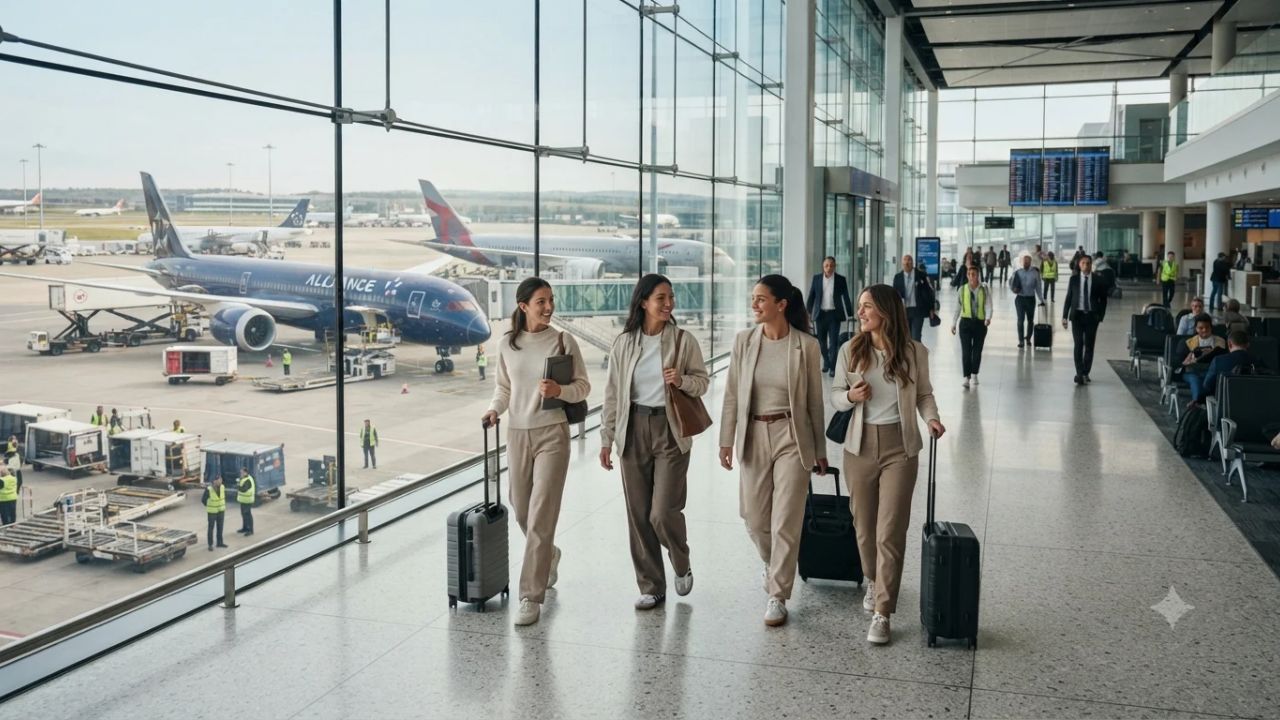
With European low-cost carrier Wizz Air trimming its winter capacity by 5% and American carriers re-evaluating secondary routes, the global aviation sector is quietly ending the post-pandemic era of relentless seat expansion. Soaring aviation jet fuel expenses are compelling major legacy and budget airlines—including Southwest Airlines, United Airlines, American Airlines, and Ryanair—to pivot from aggressive network growth to strict financial discipline. Rather than deploying planes on marginally profitable routes, carriers are consolidating operations around core fortress hubs, leaving leisure travelers to navigate tighter flight frequencies, higher seasonal fares, and shifting departure timetables.
The Global Aviation Pivot Toward Capacity Discipline
For years, travelers benefited from cutthroat airline competition that flooded popular holiday corridors with surplus seat inventory. However, jet fuel continues to represent one of the single largest and most volatile operating expenses on airline balance sheets. When fuel prices spike, flying half-empty aircraft or operating multiple daily frequencies on secondary city pairs quickly turns loss-making. Industry data tracked by the International Air Transport Association shows that commercial airlines worldwide are prioritizing aircraft yield and load factors over speculative passenger volume.
In North America, Southwest Airlines has dialed back its planned capacity expansion, focusing on aircraft productivity across its domestic network. American Airlines is actively reviewing future schedule viability on underperforming regional links, while United Airlines has trimmed selected scheduled flights to optimize its long-haul widebody and domestic narrowbody fleets. Across the Atlantic, European ultra-low-cost leader Wizz Air enacted a targeted 5% winter capacity reduction, while Ryanair has tempered passenger growth projections to limit financial exposure to energy price swings.
How Airline Fleet Realignment Reshapes Major Hubs and Regional Travel
The modern airline operational playbook is no longer about adding speculative dots to route maps; it is about protecting fortress connecting hubs. Mega-airports such as Dallas/Fort Worth International Airport (DFW), Chicago O'Hare International Airport (ORD), George Bush Intercontinental Airport (IAH) in Houston, Denver International Airport (DEN), and Miami International Airport (MIA) remain well-insulated because carriers rely on them to aggregate connecting passenger traffic. Secondary markets and regional leisure gateways, however, face direct schedule thinning.
When airlines pull back daily frequencies from secondary airports, vacationers heading to Florida beach destinations, Rocky Mountain ski resorts, or southwestern national park gateways encounter fewer direct non-stop choices and longer connection layovers.
| Airline | Home Operating Region | Strategic Capacity Response | Direct Traveler Impact |
|---|---|---|---|
| Wizz Air | Central & Eastern Europe / UK | Slicing planned winter schedule capacity by approximately 5% | Reduced frequencies across secondary European leisure routes |
| Southwest Airlines | United States | Slowing planned capacity growth rate to protect margins | Fewer off-peak daily flights between mid-tier domestic cities |
| United Airlines | United States | Removing selected low-yield scheduled frequencies | Increased reliance on major hub connections (ORD, IAH, DEN) |
| American Airlines | United States | Scrutinizing route economics and pruning weaker city pairs | Schedule adjustments across Dallas (DFW) and Charlotte (CLT) |
| Ryanair | Pan-European | Moderating traffic expansion targets and aircraft deliveries | Firmer seat pricing across popular Mediterranean summer routes |
As aircraft utilization tightens, airlines are operating flights with higher seat occupancy rates. This leaves fewer empty seats available for last-minute bookings or standby re-accommodation during operational irregular operations.
Visitor Insider Tips for Navigating Reduced Airline Schedules
- Lock In Peak Holiday Flights at Least 60 to 90 Days Early: With airlines capping seat inventories, budget-friendly last-minute fare sales on holiday routes have virtually vanished. Secure Thanksgiving, Christmas, and spring break flights well in advance to avoid steep tiered pricing surges as flight cabins fill up quickly.
- Opt for Early Morning Departures to Shield Against Cascading Delays: Tighter aircraft turnaround schedules leave minimal buffer time between flight legs. Booking departures scheduled before 8:00 AM ensures your plane is already positioned at the gate, minimizing the risk of multi-hour delays caused by upstream aircraft rotations.
- Monitor Schedule Change Notifications for Free Rebooking Windows: Passenger consumer protection guidelines from the U.S. Department of Transportation state that significant airline-initiated timetable changes entitle travelers to free itinerary changes or full refunds. If your adjusted schedule introduces an unreasonable layover, call the carrier immediately to request a complimentary reroute onto a preferable flight.
- Leverage Dual-Airport Metropolitan Regions for Alternate Routing: When direct flights to primary hubs like Chicago O'Hare or Houston Intercontinental are constrained, search secondary regional airfields such as Chicago Midway (MDW) or William P. Hobby (HOU) to identify better flight availability and lower baseline fares.
- Familiarize Yourself with Operational Safety Regulations: Air traffic management programs administered through the Federal Aviation Administration frequently throttle arrival rates into major hubs during inclement weather. Maintain at least a 90-minute domestic connection window to prevent missed connections when air traffic control programs are active.
Cultural and Economic Ramifications for Regional Tourism
The ripple effects of selective airline capacity management extend deep into destination economies. When major carriers scale back flight frequencies into regional airports, local hospitality ecosystems feel the contraction. Boutique hotels, family-run restaurants, vehicle rental fleets, and excursion operators in smaller holiday enclaves depend on consistent seat capacity to sustain off-peak employment.
At the same time, this operational shift accelerates the aviation sector's environmental transition. Operating higher-density flights with modern, fuel-efficient aircraft models reduces per-passenger carbon emissions compared to running half-empty regional jets. As airlines retire older fuel-thirsty aircraft in favor of next-generation models, sustainable fleet economics and environmental goals are becoming tightly aligned.
For local tourism boards and regional civic authorities, the current aviation environment underscores the necessity of diversifying visitor access. Destinations that previously relied exclusively on direct commercial airline service are increasingly developing regional rail connections, express shuttle networks, and drive-market promotional campaigns to maintain steady traveler arrivals.
FAQ: Airline Capacity Cuts and Travel 2026
Why are airlines cutting flight capacity when travel demand remains strong?
Airlines are adjusting schedules because high jet fuel costs make operating low-demand or secondary routes unprofitable. Carriers are focusing aircraft on strong, high-yield routes to protect operational margins.
How will Wizz Air's 5% capacity cut affect European travel?
Wizz Air is trimming winter capacity by approximately 5%, meaning travelers will see fewer weekly flights on select secondary European routes and slightly higher fares on popular winter city-break destinations.
Are major airline hubs in the US losing flight connections?
Major hubs like Dallas/Fort Worth, Chicago O'Hare, Houston, Denver, and Miami remain core priorities. Schedule adjustments will primarily affect regional feeder routes and off-peak frequencies rather than primary hub connectivity.
What should travelers do if an airline cancels or reschedules their flight?
Under federal regulations, travelers facing significant schedule changes can request a free change to an alternate flight or claim a full cash refund if the revised itinerary is unacceptable.
Navigating modern air travel requires strategic foresight, where booking early and choosing reliable hub connections ensures seamless journeys across an evolving aviation horizon.
Related Travel Guides
Disclaimer
This article is for informational and educational purposes only. It does not constitute legal, financial, or professional advice. While we strive to provide accurate and up-to-date information, travel policies, regulations, and conditions change rapidly. Always verify information with official sources before making travel decisions. Nomad Lawyer makes no representations about the accuracy, reliability, completeness, or suitability of the information provided. Readers should consult qualified professionals for advice specific to their circumstances. The views expressed in this article are those of the author and do not necessarily reflect the views of Nomad Lawyer.
Raushan Kumar
Founder & Lead Developer
Full-stack developer with 11+ years of experience and a passionate traveller. Raushan built Nomad Lawyer from the ground up with a vision to create the best travel and law experience on the web.
Learn more about our team →