Saudi Arabia Outbound Luxury Travel Market Projected to Hit $25 Billion by 2033

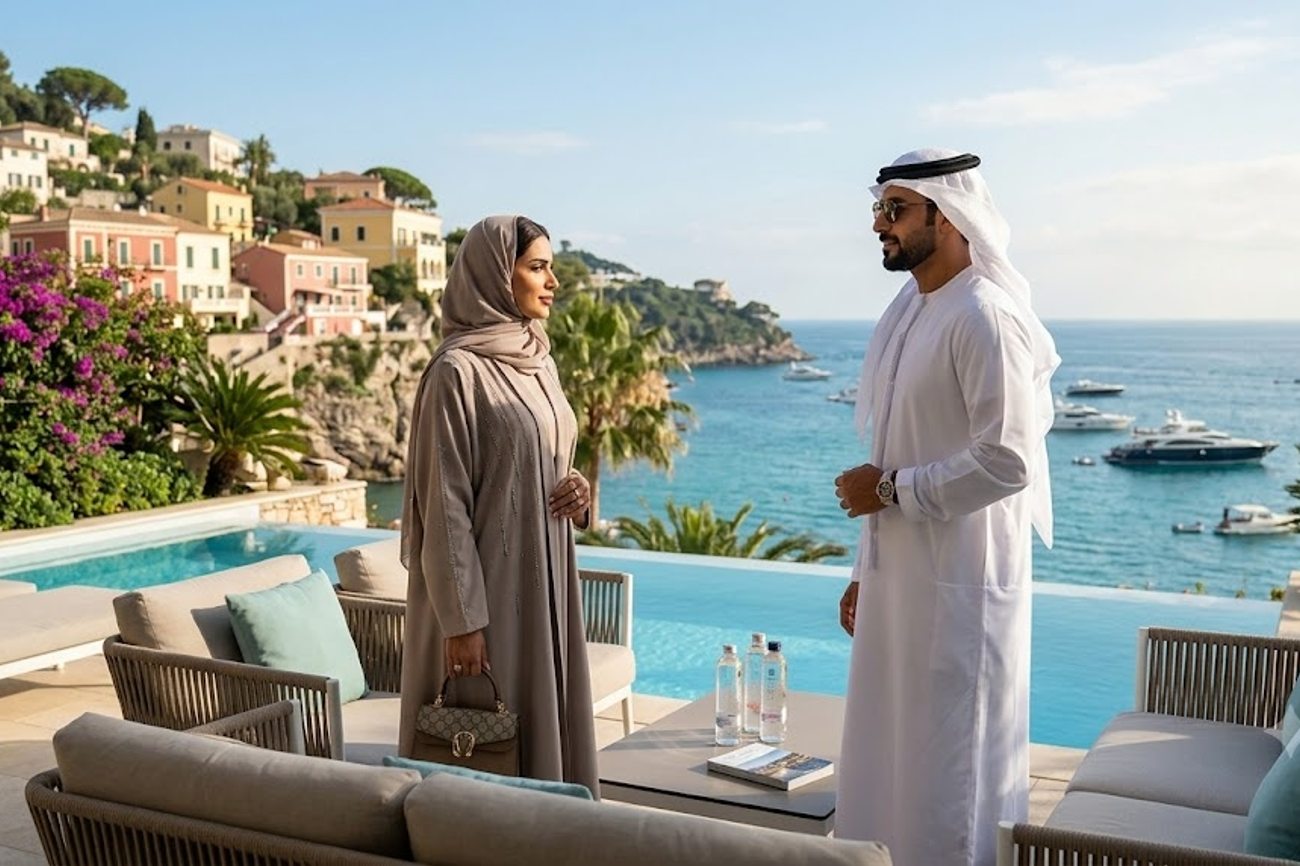
Image generated by AI
The 5th Annual Kingdom Business and Luxury Travel (KBLT) Congress, held September 6-7, 2026, in Riyadh, has highlighted a systemic transformation in how Saudi nationals engage with global travel. The event connected 100 elite Saudi luxury travel buyers with global brands to align international offerings with the Kingdom's rapidly maturing outbound market.
Data indicates a surge in both volume and value. Total outbound spending is expected to exceed US$30.7 billion (SAR 115 billion) in 2026, supported by an estimated 12.3 million international trips. The luxury segment specifically, currently valued at US$13.5 billion, is on a trajectory to surpass US$25 billion by 2033.
The Shift to "Experience Narratives"
Industry leaders at the KBLT Congress noted that the Saudi luxury traveler has moved beyond the "five-star playbook." The demand has shifted from standardized luxury amenities to curated, purpose-driven journeys. Key drivers now include:
- Cultural Immersion: A preference for authenticity over brand names.
- Privacy and Discretion: High value placed on exclusive access and seamless, bespoke services.
- Wellness and Flexibility: A move toward flexible scheduling and holistic health experiences.
According to the KBLT Advisory Board, the market is no longer driven by the prestige of a hotel brand, but by the "experience narrative"—the unique story a destination can offer a traveler.
Market Data and Projections
| Metric | 2026 Projection | Long-term Projection (2033) |
|---|---|---|
| Total Outbound Spend | US$30.7 Billion (SAR 115B) | N/A |
| Total International Trips | 12.3 Million | N/A |
| Luxury Sector Value | US$13.5 Billion | > US$25 Billion |
| Primary Driver | Bespoke/Curated Experiences | Narrative-Driven Luxury |
Traveler Logistics Guide
From a ground-level perspective, navigating the shift in Saudi outbound travel requires a departure from traditional booking methods. For those coordinating travel for this demographic or traveling within the region, consider the following:
1. Booking Connections and Flexibility Saudi luxury travelers prioritize flexible itineraries. When booking high-end connections, avoid "non-refundable" rigid structures. Opt for "flexible-date" premium fares and ensure layovers are managed via VIP meet-and-greet services to minimize time spent in public terminals.
2. Digital Transit Policies Ensure all digital travel credentials are updated. For those entering the Kingdom or departing, utilize the latest biometric transit systems. While the KSA focuses on outbound growth, inbound travelers should be aware of the evolving e-visa systems and digital health declarations required by the Ministry of Tourism.
3. Navigating Customs and Privacy Privacy is a non-negotiable requirement for the luxury segment. When arranging ground logistics, utilize private aviation terminals (FBOs) where available to bypass standard congestion and ensure discreet transit.
Infrastructure Impact Assessment
The growth of the Saudi outbound market creates a reciprocal effect on global tourism infrastructure. Destinations in Europe and Asia are now forced to move beyond "room-and-board" packages to develop specialized products for the Gulf market.
This shift is moving the industry toward "hyper-personalization," where AI-driven logistics and human-centric curation merge. Regionally, Riyadh is cementing its position as a central hub for luxury travel diplomacy, bridging the gap between Saudi wealth and global hospitality standards.
Related Travel Guides
This article is for informational purposes. Flight routes, passenger regulations, visa rules, and transit advisories are subject to change by airlines and aviation authorities. Readers are advised to verify schedules and travel documentation with relevant carriers and border agencies before departure.
Related Stories

Germany, Austria, Switzerland and More Nations to Participate at MCE South Europe 2026 in Valencia, Spain