China Joins Maldives, Mongolia, South Korea and US to Shape Tourism Future at PATA Forum 2026

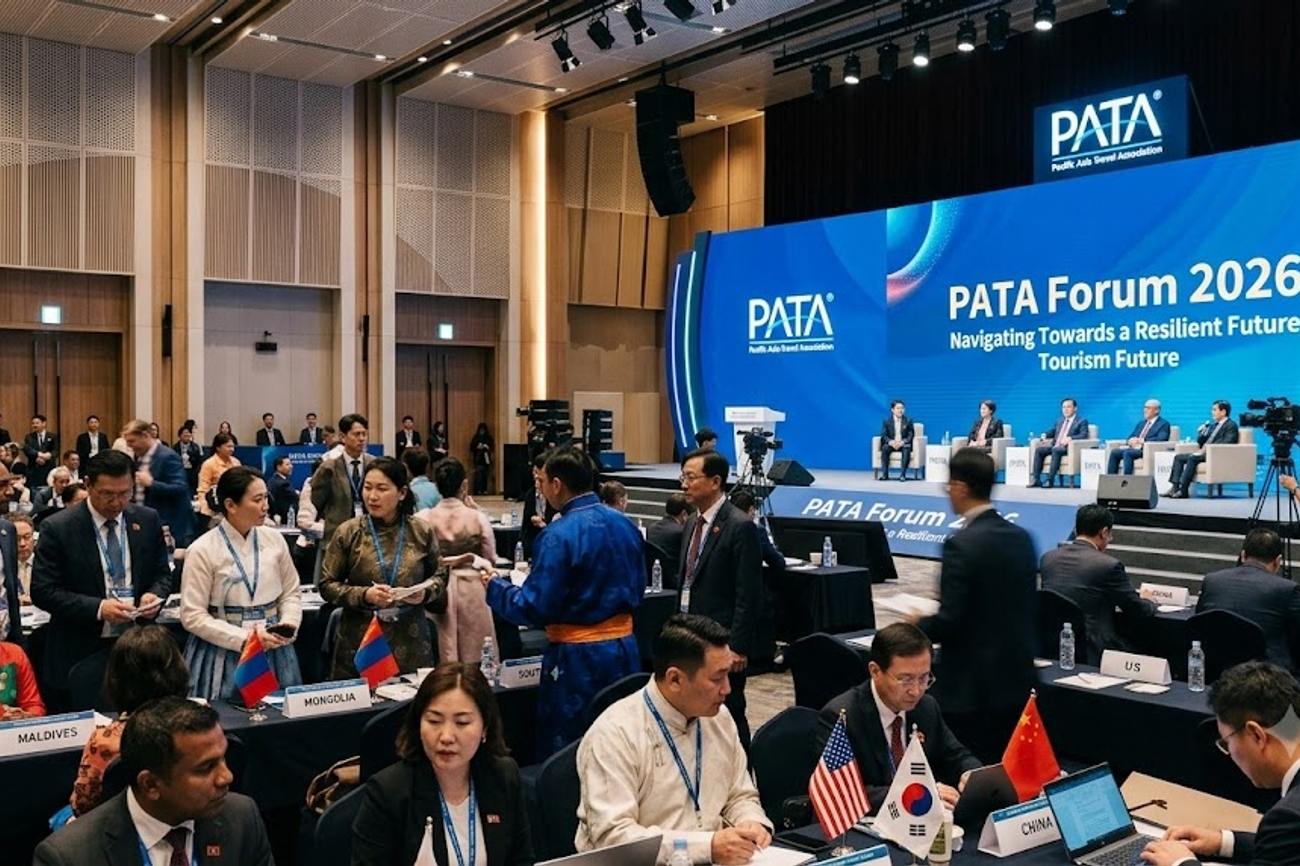
Image generated by AI
Guilin is not just a postcard of karst mountains; it is currently the epicenter of a high-stakes digital pivot where the world's largest tourism market is redefining how AI dictates where humans travel. While most visitors come for the Li River, the city is preparing to host the 20th UN Tourism/PATA Forum from 19 to 21 October 2026, transforming this scenic hub into a laboratory for the future of global travel.
The Digital Pivot in Guilin
The upcoming forum, themed "The Next Frontier: Travel Trends in the Age of Artificial Intelligence," marks a significant shift in how China positions itself within the global travel ecosystem. Hosted at the Shangri-La Hotel, this three-day event is not a mere conference; it is a strategic gathering of power players from the Maldives, Mongolia, South Korea, and the United States to dissect the intersection of automation and exploration.
The focus has moved beyond simple "digitization." The discourse now centers on how AI-enabled platforms are replacing traditional search engines and travel agencies. For the modern nomad, this means the "discovery phase" of a trip is no longer about browsing blogs, but about interacting with automated recommendation systems that predict preferences before the traveler even articulates them. Industry titans like Trip.com Group, Fliggy, and Mastercard are joining forces with academic heavyweights from The Hong Kong Polytechnic University to determine if these tools will democratize travel or create a digital divide for smaller, local operators.
What Makes Guilin Different
Guilin represents a unique tension between ancient geography and hyper-modern technology. To visit Guilin is to experience a place where UNESCO-recognized landscapes—specifically the South China Karst—coexist with some of the world's most advanced mobile payment and AI-driven tourism infrastructure.
Unlike the sprawling urbanism of Shanghai or Beijing, Guilin offers a "slow travel" ethos that is currently being challenged by the "fast tech" discussed at the PATA Forum. The city's identity is tied to the Li River and the Longji Rice Terraces, yet the administrative goal is to move toward a "Tourism Vision 2030." This vision aims to balance the preservation of these fragile ecosystems with a data-driven approach to visitor management, using market intelligence to prevent over-tourism while maximizing economic gain for local villagers.
Visitor Insider Tips
Having spent significant time navigating the Guangxi region, I can tell you that Guilin is a city of rhythms. If you visit during the lead-up to major events like the 2026 Forum, the city will be high-energy, but the real magic happens in the margins.
- The Timing Hack: Avoid the midday rush at the Elephant Trunk Hill. Arrive at 7:00 AM to witness the morning mist clinging to the limestone peaks before the tour buses arrive.
- The Digital Essential: In Guilin, your physical wallet is almost obsolete. Ensure your Alipay or WeChat Pay is linked to an international card before landing. While hotels accept credit cards, the best street food in the alleys near the Two Rivers and Four Lakes scenic area is strictly digital.
- Regional Specialty: Skip the generic tourist menus and seek out Guilin Mifen (rice noodles) from a street vendor. Look for the stalls where locals are standing and eating quickly; that is where the authentic fermented bamboo shoots and sour chili are.
- Transport Strategy: While taxis are plentiful, use the Didi app (available in English) to avoid price haggling. For exploring the countryside, hire a local guide with a private vehicle rather than relying on scheduled buses, as the most stunning karst vistas are often off the main road.
- Base Yourself: Stay in the city center for convenience, but spend at least two nights in Yangshuo. The transition from the city's organized bustle to Yangshuo's rural tranquility is the essential Guilin experience.
Guilin Logistics and Forum Data
| Category | Detail |
|---|---|
| Event Dates | 19–21 October 2026 |
| Primary Venue | Shangri-La Hotel, Guilin |
| Key Participating Nations | China, Maldives, Mongolia, South Korea, USA |
| Core Theme | The Next Frontier: Travel Trends in the Age of AI |
| Key Industry Players | Trip.com, Fliggy, Mastercard, DidaTravel, MMGY Global |
| Academic Partners | The Hong Kong Polytechnic University |
Cultural and Environmental Context
The integration of AI into Guilin's tourism is not without friction. There is a delicate balance between the "smart city" ambitions of the Guilin Municipal People’s Government and the preservation of the region's heritage. The forum's focus on "sustainable destination development" is a direct response to the environmental pressures placed on the Li River.
Tourism in this region has historically been high-volume. The shift toward "data-driven policy" mentioned by UN Tourism and PATA is an attempt to move away from mass tourism toward "high-value" tourism. By using the UN Tourism World Tourism Barometer and other intelligence tools, officials hope to distribute visitors more evenly across the region, reducing the footprint on the most famous sites while bringing revenue to underdeveloped villages in the surrounding mountains. This is a critical move to ensure that the "karst" identity of the region isn't eroded by the very people coming to admire it. For more information on regional travel requirements, check the official China National Tourism Administration (or relevant diplomatic portals).
FAQ: Visiting Guilin 2026
What is the best time to visit Guilin? April to June and September to October offer the best weather. October is particularly stunning for foliage, though it will be busier during the 2026 PATA Forum dates.
Do I need a visa for China? Visa requirements vary by nationality. Many travelers now benefit from 72 or 144-hour visa-free transit in specific cities, but for a full stay in Guilin, a standard L-visa is typically required. Check your local embassy.
How do I get to Guilin from major hubs? The fastest way is via high-speed rail from Guangzhou or Shanghai. Alternatively, fly into Guilin Liangjiang International Airport (KWL), which is well-connected to major Asian hubs.
Is it safe for solo travelers? Yes, Guilin is generally very safe. The tourist infrastructure is robust, and the local people are welcoming. Using ride-sharing apps like Didi adds an extra layer of safety and transparency for solo explorers.
The mountains of Guilin have stood for millennia, but the way we see them is changing in a heartbeat.
#GuilinTravel2026 #PATAForum #ChinaTourismAI #LiRiverExploration #SmartTourismChina
Related Travel Guides
This article is for informational purposes. Flight routes, passenger regulations, visa rules, and transit advisories are subject to change by airlines and aviation authorities. Readers are advised to verify schedules and travel documentation with relevant carriers and border agencies before departure.
Related Stories

Germany, Austria, Switzerland and More Nations to Participate at MCE South Europe 2026 in Valencia, Spain