
Mexico City Hosts 4th World Sports Tourism Congress
Mexico City hosts the 4th World Sports Tourism Congress (Sept 7-9, 2026), focusing on event legacies following the 2026 FIFA World Cup. Get transit details.
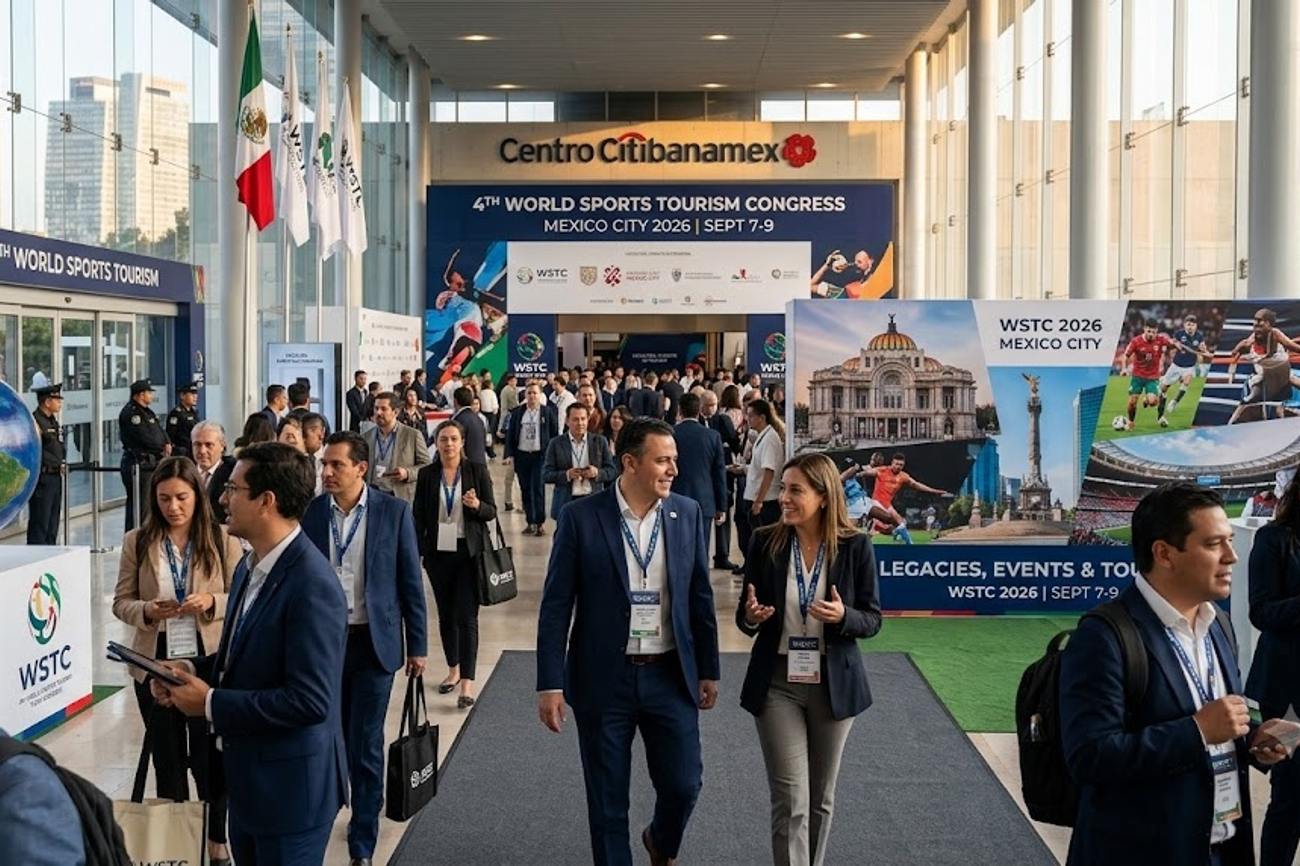
Image generated by AI
Mexico City has convened the fourth World Sports Tourism Congress, running from 7 to 9 September 2026. The summit gathers government officials, sporting organizations, and tourism specialists to analyze how mega-events translate into sustainable economic growth and community benefits.
The timing of the congress is strategic, occurring shortly after Mexico’s participation as a co-host for the 2026 FIFA World Cup. By utilizing the operational data from World Cup activities in Mexico City, Guadalajara, and Monterrey, the congress is evaluating "event legacies"—the ability of a city to retain tourism value and infrastructure utility after the athletes and spectators have departed.
A primary focus of the current program is the integration of sport with broader cultural travel. During the World Cup, Mexico City implemented a cultural corridor featuring 24 venues and open galleries, linking stadiums with museums and archaeological sites. This model is now being studied as a blueprint for territorial development and active travel.
While the event drives immediate demand for high-end accommodation and business transit services in the capital, official authorities confirm that no new visa, passport, or border requirements have been implemented specifically for this congress. All international delegates remain subject to standard Mexican entry regulations.
Transit Schedule & Event Specifications
| Parameter | Detail |
|---|---|
| Event Name | 4th World Sports Tourism Congress |
| Dates | 7–9 September 2026 |
| Location | Mexico City, Mexico |
| Key Focus Areas | Investment, Technology, Sustainability, Territorial Development |
| Reference Context | 2026 FIFA World Cup (Mexico City, Guadalajara, Monterrey) |
| Entry Requirements | Standard Mexican Immigration Policy (No special visas) |
Traveler Logistics Guide
From a ground-level perspective, navigating Mexico City during high-profile international congresses requires strategic planning to avoid the city's notorious traffic congestion.
Navigating the Capital For delegates and business travelers, the most efficient way to move between hotels and event venues is via authorized ride-share apps or pre-arranged private transport. Avoid relying on spontaneous taxi hails during peak hours. If your itinerary includes the "cultural corridors" mentioned in the congress framework, utilize the Metro system for long-distance crosstown hops, but maintain a high awareness of personal belongings in crowded carriages.
Connection & Entry Advice Since no special visa has been issued for this event, ensure your passport is valid for at least six months beyond your stay. If you are arriving via Benito Juárez International Airport (AICM), allow a minimum of 3 hours for customs and immigration, as business-heavy weeks often see spikes in arrival volumes.
Digital Transit Policies While Mexico does not currently utilize a system identical to India's Digi Yatra, travelers are encouraged to have digital copies of their hotel reservations and return flight itineraries readily available on mobile devices to expedite the immigration process.
Infrastructure Impact Assessment
The congress signals a shift in how Mexico views sports tourism—moving from "event-hosting" to "destination-building." By focusing on territorial transformation, the goal is to distribute visitor spending beyond the immediate vicinity of stadiums and into local communities.
The successful integration of the 24-venue cultural corridor suggests that future regional connectivity will likely prioritize "experience loops," where transit infrastructure is designed to move tourists from sporting venues to cultural landmarks, thereby increasing the average length of stay and per-visitor expenditure.
Related Travel Guides
Disclaimer
This article is for informational and educational purposes only. It does not constitute legal, financial, or professional advice. While we strive to provide accurate and up-to-date information, travel policies, regulations, and conditions change rapidly. Always verify information with official sources before making travel decisions. Nomad Lawyer makes no representations about the accuracy, reliability, completeness, or suitability of the information provided. Readers should consult qualified professionals for advice specific to their circumstances. The views expressed in this article are those of the author and do not necessarily reflect the views of Nomad Lawyer.