
Kaziranga Wildlife Tourism Booms During Assam Election Season 2026
Kaziranga National Park welcomes record 400,000+ visitors in 2026 as conservation success and political attention converge. Learn how the tourism surge reshapes travel planning in India's northeast UNESCO site.

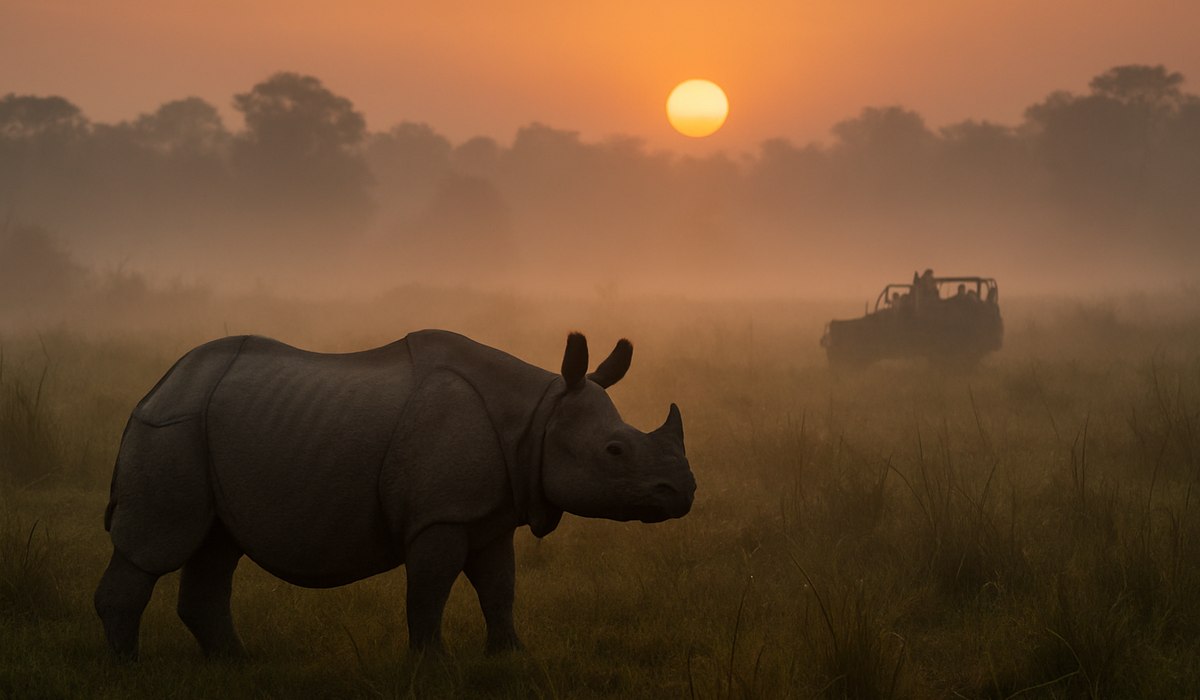
Image generated by AI
Record Tourist Surge Reshapes Kaziranga's Profile
Kaziranga National Park, India's premier rhino sanctuary and UNESCO World Heritage Site, is experiencing unprecedented visitor demand during the 2025-26 tourism season. Footfall figures exceed 400,000 visitors annually, marking a fourfold increase over the past decade and the highest numbers recorded since the park's establishment in 1974. The timing coincides with Assam's intensifying election season, creating a convergence of conservation momentum, political visibility, and travel demand that's reshaping how travelers access this northeast India gem.
Domestic visitors comprise the overwhelming majority of arrivals, though international tourist numbers have reached all-time highs by late 2025. Travel booking platforms report sustained momentum entering spring 2026, with safari reservations and lodge availability tightening significantly. This surge reflects growing appetite for wildlife experiences that balance accessibility with authentic encounters. The park's strategic position along National Highway 27 and improved road connectivity from Guwahati have reduced travel friction for visitors planning multiday trips through Assam.
Weather conditions and monsoon forecasts for 2026 remain favorable for continued visitation, though early-season spring months typically deliver clearer sighting opportunities and more comfortable safari conditions. Travelers should anticipate higher competition for jeep slots and premium accommodation during peak booking windows.
Conservation Success Drives Kaziranga Wildlife Tourism Appeal
The dramatic decline in rhino poaching represents the foundation of kaziranga wildlife tourism's current momentum. Recent annual census data confirms several years with zero poaching incidents in Assam, strengthening the park's reputation as a world-class sanctuary for the greater one-horned rhinoceros. This population now exceeds 2,600 individuals within Kaziranga alone, representing roughly 75% of the species' global population.
Conservation victories extend beyond rhinos. The park shelters over 450 Asian elephants, wild water buffalo populations recovering after near-extinction, and one of Asia's most significant concentrations of migratory waterfowl. Birdwatchers record over 450 avian species during peak seasons, attracting specialized tourism segments beyond traditional safari enthusiasts.
These ecological achievements translate directly into traveler confidence and booking behavior. International wildlife tourism agencies increasingly feature Kaziranga prominently in multi-destination northeast India itineraries. The UNESCO World Heritage designation provides additional marketing leverage, positioning the park alongside global conservation benchmarks. Tourism revenue generated by wildlife viewing safaris now flows back into anti-poaching operations, community development programs, and habitat restoration—creating a self-reinforcing cycle that benefits both conservation outcomes and local economies.
Infrastructure and Marketing Fuel Visitor Growth
State and central tourism agencies have invested substantially in Kaziranga's visitor infrastructure during the 2023-25 period. Enhanced accommodation options, ranging from budget forest rest houses to luxury eco-lodges, now accommodate visitor volume surges that previously strained capacity. Private tourism operators have expanded jeep safari fleets, though availability remains tight during election season and peak months.
Marketing campaigns by Assam Tourism Development Corporation and national tourism boards have amplified the park's visibility across domestic travel channels. Digital platforms tracking seasonal bookings document rising search interest for "Kaziranga safaris" and "rhino sightings Assam" correlating with improved accessibility information and positive visitor reviews. Regional media coverage linking conservation success to tourism prosperity has reinforced the park's status as a flagship destination.
Transportation improvements matter significantly for traveler convenience. The Guwahati-Kaziranga corridor has benefited from road upgrades, reducing travel time from the state capital. New safari entry points and visitor centers provide better crowd management compared to earlier seasons. However, election season vehicle diversions and political activity checkpoints occasionally disrupt normal traffic patterns, requiring advance planning for those visiting during voting periods.
Balancing Tourism Boom with Park Protection
The influx of 400,000+ annual visitors presents genuine conservation challenges that park authorities and tourism stakeholders actively manage. Vehicle density on narrow park roads, increased waste generation, and pressure on accommodation corridors near sensitive habitat zones require careful regulatory oversight.
Kaziranga's management framework maintains strict entry protocols regardless of election season activity. Vehicle permits, visitor conduct codes, and restricted access zones are enforced consistently to prevent habitat disruption and wildlife stress. Park rangers and tourism police coordinate to balance visitor access with species protection, particularly during breeding seasons for migratory birds and critical calving periods for rhinos.
Local communities living adjacent to the park benefit substantially from tourism employment and indirect service provision, yet equitable benefit-sharing remains contested in political debates during election periods. Conservation groups monitor whether economic gains from wildlife tourism reach vulnerable populations or concentrate among commercial lodge operators and safari businesses.
Water-related challenges—Kaziranga experiences seasonal flooding that affects both conservation and tourism operations—add complexity to planning. Climate patterns in 2026 will influence whether visitor numbers sustain record levels or experience seasonal fluctuations tied to monsoon timing and park accessibility windows.
Data Summary: Kaziranga Tourism and Conservation Metrics (2024-2026)
| Metric | 2023-24 Season | 2024-25 Season | 2025-26 Projection |
|---|---|---|---|
| Annual Visitors | ~350,000 | 400,000+ | 420,000+ |
| Domestic Visitor Share | 88% | 87% | 85% |
| International Visitors | 12% | 13% | 15% |
| Greater One-Horned Rhino Population (Kaziranga) | 2,500+ | 2,600+ | 2,650+ |
| Annual Poaching Incidents (Assam) | 0-1 | 0 | 0 (to date) |
| Licensed Safari Operators | 32 | 45 | 50+ |
| Accommodation Units (All Categories) | 280 | 360 | 400+ |
| Average Daily Safari Cost (Jeep, per person) | ₹1,200-2,000 | ₹1,500-2,500 | ₹1,800-3,000 |
| Birdwatching Species (Peak Season Records) | 440+ | 450+ | 460+ |
What This Means for Travelers
The kaziranga wildlife tourism surge in 2026 demands strategic advance planning to maximize sighting success and minimize frustration. Here's what matters for your trip:
1. Book accommodations and safaris 6-8 weeks ahead during peak months (November-March and April-May). Election season overlaps with spring availability constraints, making early reservations essential for securing preferred jeep times and lodge categories.
2. Plan arrival flexibility around election voting schedules. Check Assam election commission announcements before finalizing travel dates. Political activity may cause minor transport delays or road checkpoints, particularly near Guwahati and intermediate towns. Allow extra buffer time for ground transfers.
3. Engage experienced tour operators familiar with current park regulations. Reputable agencies handle permit logistics, driver licensing, and wildlife conduct protocols more efficiently than independent travel coordination during high-demand periods.
4. Expect premium pricing but value comparability. Higher visitor volume supports more diverse accommodation and dining options, potentially offsetting elevated per-night costs through competitive service standards.
5. Consider shoulder seasons (late May-June, September-October) for budget-conscious travelers. These periods offer fewer crowds, acceptable weather conditions, and significantly lower accommodation rates than peak season.
6. Prepare for monsoon considerations. The 2026 monsoon's timing will influence park accessibility and water-based wildlife viewing opportunities. Early-season bookings (January-April) avoid this uncertainty entirely.
FAQ: Kaziranga Wildlife Tourism Planning
**Q: Is kaziranga wildlife tourism safe and accessible during election
Disclaimer
This article is for informational and educational purposes only. It does not constitute legal, financial, or professional advice. While we strive to provide accurate and up-to-date information, travel policies, regulations, and conditions change rapidly. Always verify information with official sources before making travel decisions. Nomad Lawyer makes no representations about the accuracy, reliability, completeness, or suitability of the information provided. Readers should consult qualified professionals for advice specific to their circumstances. The views expressed in this article are those of the author and do not necessarily reflect the views of Nomad Lawyer.
Raushan Kumar
Founder & Lead Developer
Full-stack developer with 11+ years of experience and a passionate traveller. Raushan built Nomad Lawyer from the ground up with a vision to create the best travel and law experience on the web.
Learn more about our team →