
Samoa’s Secret Islands: How Manono, Namu’a, and Apolima Redefine Eco-Tourism and Polynesian Heritage

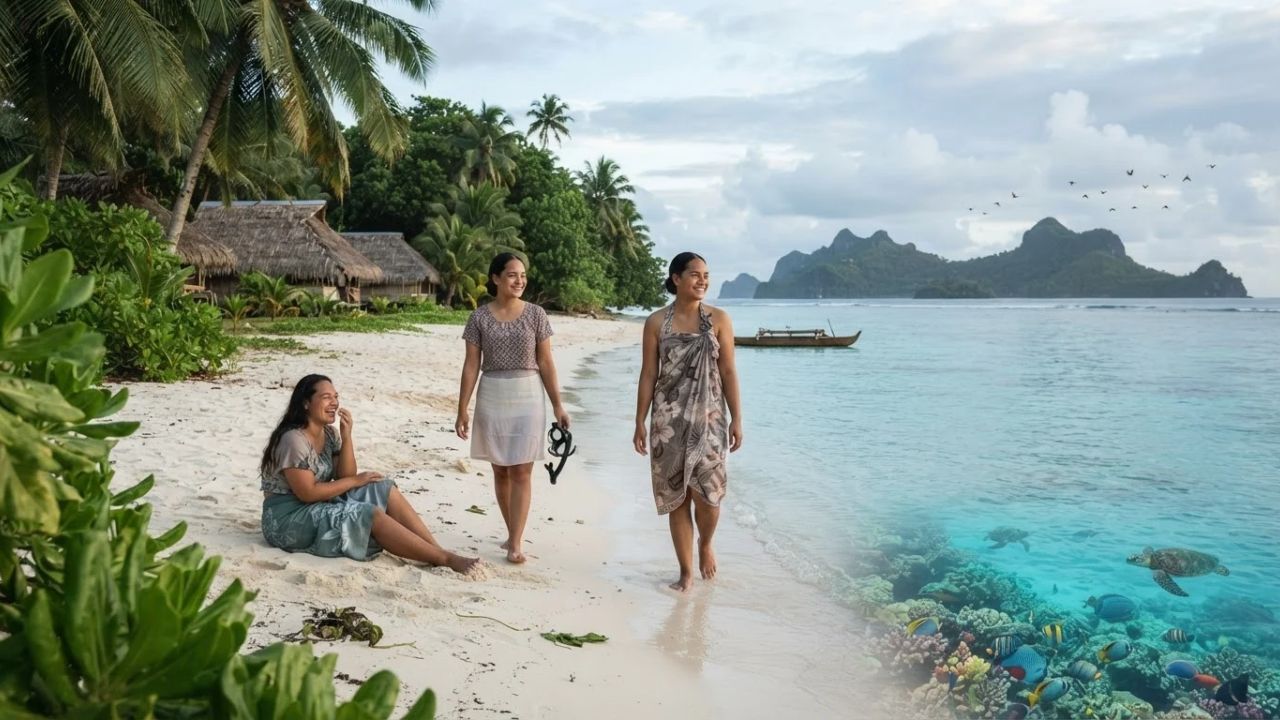
Following a steady post-pandemic recovery that reached 183,147 international visitors and 250,984 total arrivals in 2025, Samoa is witnessing a profound shift as conscious travelers look beyond mainstream resorts to explore secluded offshore sanctuaries like Manono, Namu’a, and Apolima. Official tourism statistics from the Samoa Tourism Authority show that after skyrocketing 1,854.0% in 2022 (50,629 visitors) and 245.6% in 2023 (174,967 visitors) before consolidating with 179,590 visitors in 2024, the South Pacific nation has entered a sustainable, high-value tourism era where living Polynesian traditions (Faʻa Samoa) take center stage.
Rather than remaining confined to the urban corridor of Apia or the manicured beachfront hotels of Upolu and Savai’i, independent travelers are boarding small wooden outriggers and inter-island ferries to explore vehicle-free atolls, crater wetlands, and marine reserves. From the ancient star mounds of car-free Manono to the solar-powered caldera village of Apolima, the turtle-nesting waters of Namu’a, the roosting colonies of flying foxes on Nu’ulopa, the pristine coral reefs of Fanuatapu, and the high-altitude volcanic waters of Lake Lanoto’o, Samoa’s secret islands offer an unhurried encounter with nature and ancestral culture.
The Local Trend Revealed: Slow Travel Across Samoa’s Secluded Offshore Sanctuaries
Modern travelers are increasingly seeking destinations untouched by mass commercialization. While Samoa’s aviation network handled 236,837 air arrivals in 2025 alongside 14,147 sea arrivals, the country remains remarkably uncrowded compared to other South Pacific archipelagos. This low-density tourism environment enables adventurous explorers to step into self-governed village communities where daily life revolves around age-old social customs:
1. Manono Island: A Vehicle-Free Living Heritage Sanctuary
Nestled in the Apolima Strait less than 4 kilometers from Upolu's western coast, Manono Island encompasses roughly 3 square kilometers across four traditional villages with a population of approximately 889 residents. The island is completely devoid of motor vehicles and domestic dogs, preserving a peaceful auditory environment broken only by rolling ocean waves and birdsong:
- The Footpath Circuit: A gentle coastal walking path rings the entire perimeter, allowing travelers to stroll between family compounds, breadfruit groves, and open-sided meeting pavilions (fale tele).
- Ancient Polynesian Archaeology: Ascend through coastal palms to the 110-meter-high peak of Mount Tulimanuiva to examine the ancient 12-pointed Star Mound, alongside the historic Grave of 99 Stones. Samoa Tourism Authority documentation dates these basalt stone monuments between 900 and 1,000 years old, representing ceremonial platforms from Samoa’s pre-European navigational past.
- Island Access: Wooden passenger boats depart informally from Manono-Uta on Upolu, with crossings taking roughly 20 minutes across calm lagoon waters.
2. Apolima Island: The Remote Volcanic Caldera Fortress
Covering roughly 5 square kilometers with only about 100 permanent residents, Apolima is the caldera rim of an extinct volcano rising dramatically from the Apolima Strait. Entry requires a seasoned village boat captain to navigate an open-ocean swell through a narrow, wave-battered breach in the crater wall into an amphitheater-shaped lagoon:
- A Model of Renewable Autonomy: The lone settlement, Apolima-Uta, features neat traditional fales and a village church framed by sheer volcanic cliffs. Demonstrating early community-scale clean energy adoption, Apolima has operated on a 100% solar power mini-grid since 2006, entirely replacing its historical diesel generators.
- Rim Lighthouse Trek: An invigorating trail ascends from the village through tropical foliage to the summit lighthouse, offering panoramic views across the strait toward Savai’i and Upolu.
3. Namu’a Island: Off-Grid Beach-Fale Living and Sea Turtle Sanctuaries
Situated just a few hundred meters off Upolu’s southeastern Aleipata coast, Namu’a is reachable via a brief 5- to 10-minute boat ride from Mutiatele:
- Digital Detox Retreat: As Samoa’s only uninhabited private-island accommodation, Namu’a Island Beach Fales offers open-sided woven fales perched directly upon powdery white sand. With zero electricity, solar lanterns, and no commercial kiosks, overnight packages bundle roundtrip boat transfers, home-cooked family dinners, and island breakfasts.
- Marine Biodiversity: The surrounding fringing reefs shelter thriving populations of wild green sea turtles (Chelonia mydas) and hawksbill turtles (Eretmochelys imbricata), offering world-class snorkeling steps from your woven sleeping mat.
4. Nu’ulopa Island: The "Bat Island" Wildlife Refuge
Resting between Manono and Apolima, this uninhabited rocky outcrop serves as a vital ecological sanctuary. Revered locally as "Bat Island," Nu’ulopa provides daytime roosts for hundreds of Samoan flying foxes (Pteropus samoensis), large fruit bats that circle the island's canopy at dawn and dusk. Its surrounding reef system contributes to Samoa’s rich marine heritage, which encompasses approximately 900 fish species and more than 200 varieties of living coral.
5. Fanuatapu Island: Pristine Outer-Reef Coral Gardens
Anchoring the easternmost tip of Upolu’s barrier reef, Fanuatapu features little human construction beyond an automated navigational lighthouse. Accessible via small water taxi or sea kayak during calm sea states, the island’s protected leeward channels boast vibrant hard-coral gardens, clownfish colonies, and spotted eagle rays, making it an extraordinary day excursion for marine photographers.
6. Lake Lanoto’o National Park: The Highlands Crater Rainforest
Venturing away from the coast into Upolu’s interior highlands reveals Lake Lanoto’o, a pristine volcanic crater lake recognized as an internationally protected Ramsar Wetland. Reaching the emerald-green crater requires a 4WD transfer followed by a two-hour return trek through dense tropical rainforest. The lake is famous for its thriving population of wild goldfish—introduced during the colonial era—and serves as a haven for endemic forest birds like the tooth-billed pigeon (manumea).
Cultural & Environmental Value: Faʻa Samoa and Village-Led Marine Conservation
The enduring magic of Samoa lies in its unbroken socio-cultural system, Faʻa Samoa (The Samoan Way), which has governed daily life for more than 3,000 years:
Village Autonomy and Traditional Governance
Every village in Samoa is governed by its local council of chiefs (Aliʻi ma Faipule). When visitors land on islands like Manono or Apolima, they are not entering public recreational parks; they are guests on communal ancestral lands. This governance model guarantees environmental protection:
- Community Marine Reserves: Local councils enforce customary fishing bans (tapu) on designated nursery reefs, preventing overfishing and preserving delicate marine habitats without requiring large state enforcement agencies.
- Preserving Mangrove Buffers and Rainwater Catchments: Communities on small islands maintain natural mangrove buffers to shield shoreline villages from tidal surges, while relying entirely on clean rainwater harvesting systems.
Visitor Insider Tips: Navigating Samoa’s Offshore Islands
Visiting these quiet islands requires thoughtful preparation, respect for local governance, and awareness of Pacific customs:
Sacred Cultural Etiquettes of Faʻa Samoa
- The Evening Sā (Curfew): Between 18:00 and 19:00, most Samoan villages observe Sā, a sacred 10- to 20-minute evening prayer period signaled by church bells or three blows of a conch shell. If walking through a village when Sā begins, immediately sit down quietly by the side of the road or stay inside your fale until a final bell sounds. Never swim, jog, or drive during Sā.
- Respectful Sunday Conduct: Sunday is strictly dedicated to church services and family feasts (toʻonaʻi). Avoid loud recreation, dress modestly (shoulders and knees covered with a traditional lavalava wrap), and ask permission before swimming off village beaches.
- Beach Fale Manners: When entering an open-sided village fale, remove your shoes outside. Sit cross-legged on the woven pandanus mats; pointing the soles of your feet directly at village elders or hosts is considered deeply disrespectful. If your legs become stiff, drape a lavalava cloth over your feet.
Essential Logistics and Cash Protocols
- Carry Cash (Samoan Tālā - WST/SAT): Outlying islands like Manono, Apolima, and Namu’a operate on cash-only community economies. There are no ATMs, card terminals, or foreign exchange booths outside Apia and Salelologa. Carry sufficient small-denomination notes (5, 10, and 20 SAT) to pay local boat skippers, village entry fees, and homestay hosts.
- Confirm Return Boat Transfers in Advance: Water taxis between Manono-Uta and Manono or Mutiatele and Namu’a do not operate on rigid published timetables. Always establish your return departure time with your boatman before departing the mainland.
- Main Island Ferry Logistics: For travel between Upolu and Savai’i, the Samoa Shipping Corporation operates two roll-on/roll-off passenger ferries between Mulifanua Wharf (Upolu) and Salelologa Wharf (Savai’i), crossing in 60 to 90 minutes. Walk-on tickets cost SAT12 for adults and SAT6 for children aged 2 to 12, purchasable directly at the wharf terminal offices.
Flavors of Samoa: Earth Ovens and Island Gastronomy
Traditional Samoan cooking centers on fresh, nutrient-rich ingredients harvested from family taro plantations and offshore coral lagoons, prepared using ancient subterranean steaming methods:
- The Traditional Sunday Umu: An unmissable cultural highlight. Volcanic rocks are heated over an open hardwood fire until glowing red, then leveled. Whole cleaned fish, pork, green bananas, and breadfruit (ʻulu) are placed on the hot stones, blanketed in banana leaves, and slow-steamed to smoky perfection.
- Creamy Palusami: The crowning jewel of the umu. Tender young leaves of the taro plant (lau luau) are filled with fresh, rich coconut cream (peʻepeʻe), chopped onions, and sea salt, wrapped in breadfruit leaves, and roasted in the umu until the leaves melt into a velvety, savory green parcel.
- Fresh Oka Iʻa (Raw Fish Salad): Samoa’s national dish. Freshly caught yellowfin tuna or snapper is diced and marinated briefly in fresh lime juice, then mixed with creamy, cold coconut milk, diced cucumber, scallions, sea salt, and finely sliced fiery bird's eye chilies.
- Vasuva (Giant Clam Delicacy): Harvested from village-managed lagoon nurseries, fresh giant clam meat is thinly sliced and tossed in seasoned coconut cream and lime juice, offering a crisp, briny bite.
- Dining Bases Across the Islands: In the capital of Apia, enjoy fresh oceanfront seafood at Paddles Restaurant, contemporary Pacific cuisine at Bistro Tatau Restaurant, or casual dining at Amanaki Restaurant and Bella’s Kitchen & Pizzeria. On Savai’i, travelers find welcoming meals at Savai’i Harbourside Café & Pizza Bar and Tepatasi Restaurant, or unwind at Le Lagoto Resort & Spa and Amoa Resort Savaii.
Tourism Outlook: Sustainable Growth Rooted in Cultural Integrity
With annual international arrivals steadying at 183,147 in 2025, Samoa demonstrates that a nation need not compromise its ancestral values to build a thriving visitor economy. By channeling tourism growth into village-owned beach fales, community-led wildlife tours, and car-free island conservation, Samoa protects its delicate marine ecosystems while providing rural families with sustainable economic independence.
For global travelers who value authentic human connections over manufactured resort spectacles, exploring Manono, Namu’a, and Apolima is a transformative journey. In these quiet Pacific waters, the ancient spirit of Faʻa Samoa continues to illuminate a path toward sustainable, heart-led travel.
Related Travel Guides
- Hawaii Travel Alternatives: How Honolulu, Maui, Kona, and Hilo Welcome Island Travelers During Kauai Recovery
- Indonesia Ferry Safety Under Scrutiny: Java Sea Capsizing Sparks Island Travel Advisories Across Bali, Lombok, and Komodo
- Kauai Hurricane Lowell Recovery Travel Advisory: Kauai State Parks Reopen for Eco-Conscious Explorers
Disclaimer
This article is for informational and educational purposes only. It does not constitute legal, financial, or professional advice. While we strive to provide accurate and up-to-date information, travel policies, regulations, and conditions change rapidly. Always verify information with official sources before making travel decisions. Nomad Lawyer makes no representations about the accuracy, reliability, completeness, or suitability of the information provided. Readers should consult qualified professionals for advice specific to their circumstances. The views expressed in this article are those of the author and do not necessarily reflect the views of Nomad Lawyer.
Raushan Kumar
Founder & Lead Developer
Full-stack developer with 11+ years of experience and a passionate traveller. Raushan built Nomad Lawyer from the ground up with a vision to create the best travel and law experience on the web.
Learn more about our team →