
Hawaii Travel Alternatives: How Honolulu, Maui, Kona, and Hilo Welcome Island Travelers During Kauai Recovery

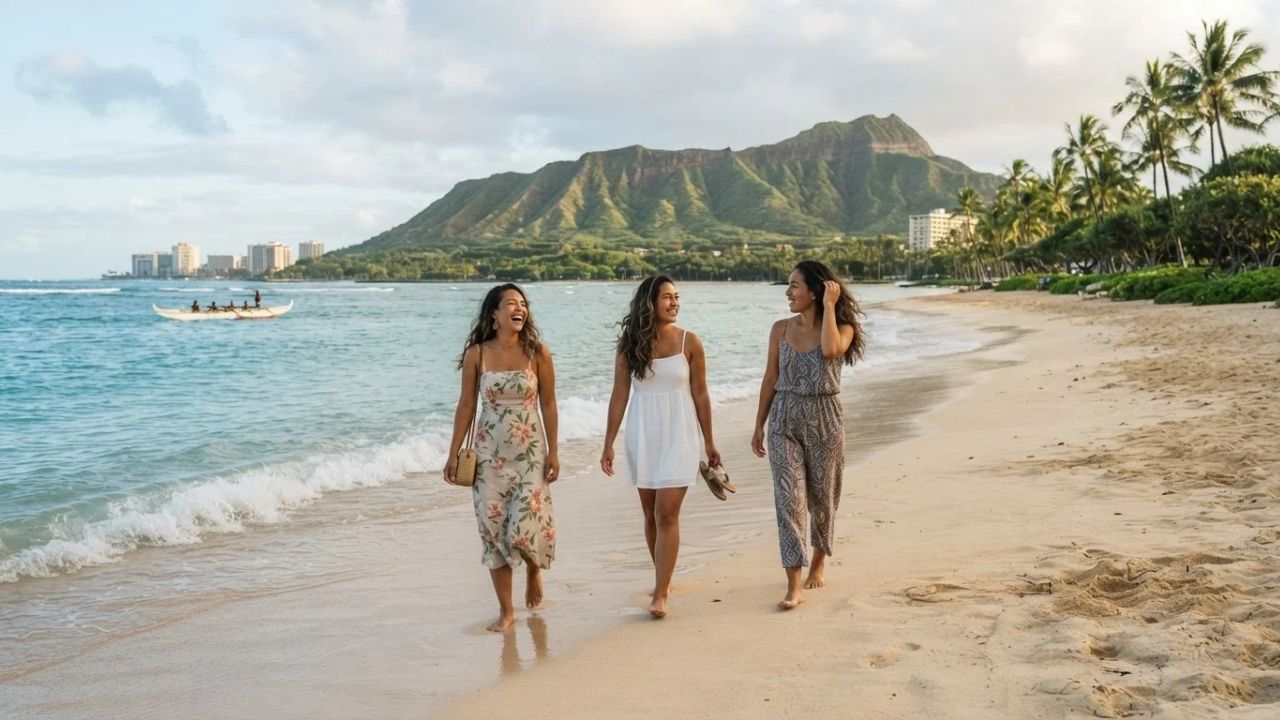
Hawaiʻi’s visitor economy generated $11.6035 billion in tourism spending during the first half of 2026—a 6.3% year-on-year increase—as international travelers deftly reconfigure their itineraries across Oʻahu, Maui, Hawaiʻi Island, Molokaʻi, and Lānaʻi while Kauaʻi advances infrastructure recovery. Official economic reporting from the Department of Business, Economic Development & Tourism (DBEDT) reveals that despite a 3.9% dip in the average daily visitor census, statewide air arrivals expanded by 2.2%, proving that travelers are prioritizing high-value cultural immersion, responsible stewardship, and multi-island exploration across the archipelago.
Rather than canceling long-planned Pacific holidays, holidaymakers are redistributing their time across six diverse island bases. From the historic avenues and surf breaks of Honolulu to the volcanic highlands of Maui, the sun-drenched coffee farms of Kailua-Kona, the lush rainforest waterfalls of Hilo, the tranquil rural heritage of Kaunakakai on Molokaʻi, and the cool upland retreats of Lānaʻi City, Hawaiʻi offers an unmatched spectrum of alternatives that keep travel dollars supporting local communities.
The Local Trend Revealed: Strategic Island Realignment Across the Archipelago
The resilience of Hawaiʻi's tourism sector reflects a sophisticated maturation among global travelers. While the first 11 months of 2025 recorded 8,774,096 visitors (down just 0.2% from 8,793,885 in 2024), visitor expenditure surged 5.9% to $19.64 billion, compared with $18.54 billion during the same period in 2024. In the second quarter of 2026, visitor spending rose 3.4% year-on-year to $5.50586 billion.
Aviation connectivity continues to anchor this demand. In March 2026 alone, trans-Pacific air carriers operated 5,562 scheduled flights delivering 1,247,294 seats, alongside 888 direct international flights carrying 228,195 seats. Key international markets provided steady inbound flows, with Japan supplying 105,335 seats, Canada 51,260 seats, South Korea 22,713 seats, and Australia 12,244 seats, despite March visitor counts easing slightly by 1.7% to 888,349 visitors and spending settling at $1.96 billion (down 1.6%).
For travelers reallocating days away from Kauaʻi, five distinct island ecosystems provide seamless, high-reward alternatives:
1. Honolulu and Oʻahu: The Epicenter of Culture and Seamless Transit
Oʻahu serves as the premier replacement base for travelers seeking dependable infrastructure, multi-generational activities, and world-class heritage:
- Iconic Landmarks: Stroll the golden sands of Waikīkī, hike the volcanic crater trail of Lēʻahi (Diamond Head), explore the solemn memorials of Pearl Harbor, and tour ʻIolani Palace—the only official royal residence on American soil.
- Marine Conservation: Experience the world-renowned Hanauma Bay Nature Preserve, where strict daily visitor quotas and mandatory educational briefings protect delicate living coral reefs.
- North Shore Surf Culture: Journey north through pineapple fields to Haleʻiwa, where big-wave surf history, roadside shrimp trucks, and historic wooden storefronts deliver laid-back country charm.
2. Kahului and Maui: Valley Splendor and Mindful Travel
Maui presents a dramatic combination of golden resort beaches, cloud-draped volcanic peaks, and agrarian valleys:
- West and South Maui Bases: Luxury travelers and families anchor in Kāʻanapali or Wailea, enjoying calm ocean conditions ideal for outrigger canoeing and seasonal humpback whale watching.
- Upcountry and the Road to Hāna: Explore cool eucalyptus forests and farm stands in Kula, or navigate the serpentine curves, cascading waterfalls, and bamboo groves along the Road to Hāna after verifying local county road status.
- Mindful Community Respect: Following the 2023 Lahaina wildfire, travelers practice compassionate tourism by respecting recovery perimeters, supporting local Maui artisans, and directing dining budgets toward neighborhood small businesses.
3. Hawaiʻi Island (Kona and Hilo): Volcanoes, Coffee, and Rainforests
Hawaiʻi Island’s sheer geographic scale encompasses four climate zones, from sub-tropical beaches to sub-alpine tundra:
- Kailua-Kona (Western Coast): The premier hub for sunny beaches, manta ray night snorkels, and historic Kona coffee belt tours. DBEDT reported that Hawaiʻi Island welcomed 166,315 visitors in December 2025 (spending $359.6 million, up 5.7% year-on-year) and 152,151 visitors in February 2026 (spending $333 million, a staggering 22.8% surge).
- Hilo (Eastern Coast): Offering a slower, authentic rain-fed rhythm, Hilo serves as the gateway to Rainbow Falls, boiling pots, lush tropical botanical gardens, and the volcanic craters of Hawaiʻi Volcanoes National Park.
4. Kaunakakai and Molokaʻi: Preserving Authentic Rural Traditions
Molokaʻi offers an unhurried, commercial-free encounter with Native Hawaiian heritage. With no stoplights, no high-rise mega-resorts, and limited infrastructure, Kaunakakai welcomes visitors who prioritize quiet wilderness, responsible hiking, and deep respect for ancestral Hawaiian communities.
5. Lānaʻi City and Lānaʻi: Upland Seclusion and Refined Luxury
Perched at 1,700 feet above sea level in the island’s central pine-covered highlands, Lānaʻi City enjoys crisp, cool weather averaging 72°F (22°C) during the warmest months—roughly 10°F to 12°F cooler than the coastal shores of Mānele Bay and Hulopoʻe Beach. While The Lodge at Kōʻele undergoes ongoing renovation, luxury travelers find peace at premier resort properties or the charming historic Hotel Lānaʻi.
Cultural & Environmental Value: Practicing Mālama Hawaiʻi and Reef Stewardship
A mindful Hawaiian vacation is founded on the ancient indigenous concept of Mālama ʻĀina—caring for and honoring the land so that the land sustains the people:
Mandatory Mineral Reef-Safe Sunscreens
Hawaiʻi leads the world in marine habitat protection. Under state environmental law, the sale and distribution of sunscreens containing reef-toxic chemicals—including oxybenzone and octinoxate—are strictly banned. Chemical sunscreens bleach delicate coral polyps and disrupt marine reproduction. Travelers must exclusively apply non-nano mineral sunscreens utilizing zinc oxide or titanium dioxide before stepping into ocean waters.
Wildlife Distance Mandates
Hawaiian coastal waters harbor rare, protected marine wildlife. The Department of Land and Natural Resources (DLNR) and NOAA Fisheries enforce strict legal wildlife viewing distances:
- Green Sea Turtles (Honu): Maintain a minimum buffer of 10 feet (3 meters) at all times, whether on sandy beaches or in the water. Never touch, block, or feed resting turtles.
- Hawaiian Monk Seals (ʻĪlioholoikauaua): Keep a strict distance of at least 50 feet (15 meters) from resting seals, and 150 feet (45 meters) from mothers nursing pups. These critically endangered marine mammals haul out onto beaches to rest after deep ocean foraging.
- Humpback Whales (Koholā): During winter migration (December to April), all ocean vessels, kayaks, and paddleboarders must legally remain 100 yards (90 meters) away from whales.
Respecting Sacred Heiau and Natural Resources
Ancient stone temples (heiau), petroglyphs, and historic burial grounds dot the islands. Travelers should never climb stone walls, move volcanic rocks, or wrap stone monuments. Furthermore, visitors must never remove black sand, volcanic rocks, or coral souvenirs from beaches, respecting both Native Hawaiian spiritual traditions and environmental preservation statutes.
Visitor Insider Tips: Navigating Oʻahu, Maui, and the Neighbor Islands
Crafting a seamless alternative island journey requires strategic timing, advanced reservations, and local etiquette:
Reservation Protocols for Popular Attractions
- Hanauma Bay Nature Preserve (Oʻahu): The online booking system opens precisely 48 hours in advance at 07:00 AM HST. Spaces sell out within minutes. All visitors must watch a mandatory 15-minute educational film on reef conservation prior to beach entry.
- Haleakalā Sunrise Viewing (Maui): Securing a vehicle reservation through recreation.gov is mandatory to enter Haleakalā National Park between 03:00 AM and 07:00 AM. Dress in heavy winter clothing; summit temperatures at 10,023 feet frequently hover near freezing before dawn.
- ʻIao Valley State Monument (Maui) and Diamond Head (Oʻahu): Out-of-state visitors must pre-book timed parking and entry vouchers online via the official Division of State Parks portal prior to arrival.
Strategic Timing and Vehicle Considerations
- The Spring and Autumn Sweet Spots: April through May and September through early November deliver ideal weather with calm ocean conditions, lower hotel pricing, and fewer crowds than peak summer and holiday periods.
- Book Rental Cars Well in Advance: Outside of Honolulu—where robust public transit (TheBus) and rideshares make car-free travel practical—renting a vehicle on Maui, Hawaiʻi Island, and Molokaʻi is essential. Reserve rental cars months ahead, particularly for peak travel periods.
Hidden Regional Gems
- Shangri La Center for Islamic Arts and Cultures (Honolulu): Perched on the cliffs of Black Point near Diamond Head, this stunning historic estate built by philanthropist Doris Duke houses an extraordinary collection of Islamic art, mosaics, and architecture overlooking the Pacific.
- Kona Coffee Farm Tours along Mamalahoa Highway (Hawaiʻi Island): Drive the scenic mountain highway through Holualoa to visit historic, family-operated coffee farms. Walk through shade-grown Arabica groves, learn small-batch roasting methods, and sip freshly brewed 100% pure Kona coffee.
- The Historic Town of Makawao (Upcountry Maui): Stroll through this historic paniolo (Hawaiian cowboy) town, home to indie art galleries, artisan glassblowing studios, and the iconic T. Komoda Store, famous for handmade cream puffs and stick donuts since 1916.
Island Gastronomy: Savoring Authentic Hawaiian Cuisine
Dining in Hawaiʻi represents a rich meeting of ancestral Polynesian staples and Asian immigrant culinary heritage:
Traditional Native Hawaiian Classics
- Authentic Hawaiian Poke: Far removed from mainland salad bowls topped with mayonnaise and corn, traditional poke features bite-sized cubes of fresh sashimi-grade yellowfin ahi tuna gently tossed with coarse Hawaiian sea salt, crushed roasted kukui nut (ʻinamona), delicate red seaweed (limu kohu), and a splash of sesame oil.
- Traditional Lūʻau Fare: Sample succulent kālua pig, slow-roasted for hours in an underground earthen oven (imu) with banana leaves and koa wood; tender lau lau (steamed parcels of pork, chicken, and salted butterfish wrapped in tender taro leaves); and authentic fermented poi (pounded taro corm paste).
Local Comfort and Hawaii Regional Cuisine
- The Classic Plate Lunch: The quintessential mid-day meal consists of two scoops of sticky white rice, one scoop of creamy macaroni salad, and an entree such as crispy chicken katsu, teriyaki beef, or savory garlic shrimp.
- The Iconic Loco Moco: A mountain of hot steamed white rice topped with a juicy grilled hamburger patty, a sunny-side-up fried egg with a runny yolk, and a generous pour of rich, savory brown gravy.
- Warm Portuguese Malasadas: Introduced by Azorean plantation workers in the 19th century, these pillowy, hole-less fried yeast donuts are rolled hot in granulated sugar and cinnamon, or filled with velvety coconut haupia, lilikoi (passionfruit), or chocolate cream.
- Tropical Shave Ice: Finely shaved ice with the texture of freshly fallen snow, drizzled with handcrafted syrups made from native fruits like guava, mango, and lilikoi, layered over sweet Japanese azuki beans and topped with a "snow cap" of sweetened condensed milk.
Tourism Outlook: Sustainable Growth and the Power of Island Diversity
The resilience of Hawaiʻi's tourism economy demonstrates that the archipelago's greatest asset is its geographical and cultural diversity. By distributing visitor demand across six distinct island economies, the state prevents overcrowding in fragile ecosystems while ensuring that tourism benefits support family-run businesses across urban and rural communities alike.
As Kauaʻi restores its infrastructure, the welcoming spirit of Oʻahu, Maui, Hawaiʻi Island, Molokaʻi, and Lānaʻi reminds travelers that the spirit of aloha is not tied to a single coastline. By embracing sustainable travel ethics, respecting living Hawaiian heritage, and choosing destinations that match their personal travel rhythms, conscious visitors ensure that Hawaiʻi’s natural wonders and indigenous traditions continue to thrive for generations to come.
Related Travel Guides
Disclaimer
This article is for informational and educational purposes only. It does not constitute legal, financial, or professional advice. While we strive to provide accurate and up-to-date information, travel policies, regulations, and conditions change rapidly. Always verify information with official sources before making travel decisions. Nomad Lawyer makes no representations about the accuracy, reliability, completeness, or suitability of the information provided. Readers should consult qualified professionals for advice specific to their circumstances. The views expressed in this article are those of the author and do not necessarily reflect the views of Nomad Lawyer.
Raushan Kumar
Founder & Lead Developer
Full-stack developer with 11+ years of experience and a passionate traveller. Raushan built Nomad Lawyer from the ground up with a vision to create the best travel and law experience on the web.
Learn more about our team →