
Rome Travel Guide: Historic Landmarks to Experience the Eternal City
Plan a trip to Rome with this guide to its historic landmarks, from the Colosseum to the Vatican, and discover local insider dining and transit tips.
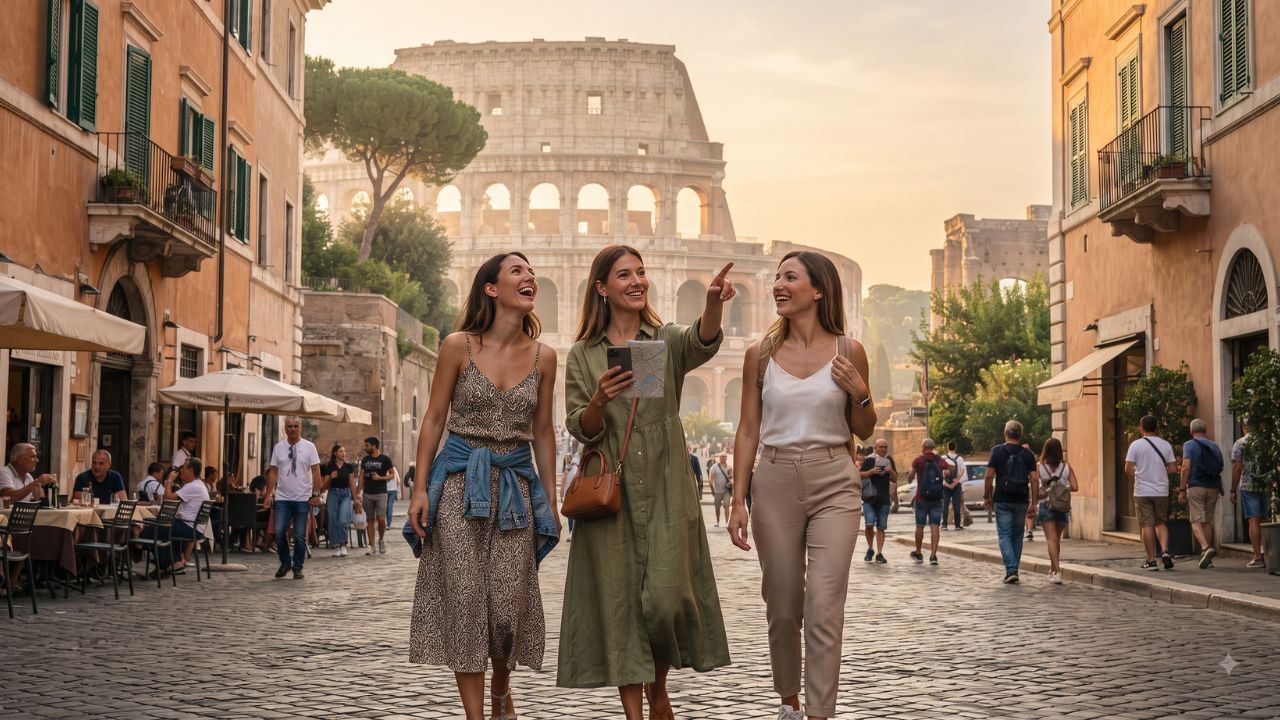
Image generated by AI
Rome continues to define the European travel experience in 2026, combining two millennia of civilization with a contemporary Italian lifestyle. By exploring iconic ancient sites like the Colosseum and hidden neighborhood piazzas, visitors can discover the layers of history that make the Eternal City an unmatched cultural destination.
Discovering the Ancient Power of the Colosseum and Roman Forum
The travel sector in Italy is experiencing a transition as visitors seek immersive, place-based historical connections. In 2026, historic monuments like the Colosseum and Roman Forum remain central to any Rome itinerary, representing ancient engineering and political administration.
By establishing these seasonal travel corridors, the airline's management aims to support both business and leisure travel flows. Corporate travelers and travel agencies, which maintain strong relationships with global destination management organizations, benefit from direct seat capacity. This economic integration supports the travel sector, providing service providers with a reliable channel for high-value bookings.
By establishing these seasonal travel corridors, the airline's management aims to support both business and leisure travel flows. Canadian corporate travelers and travel agencies, which maintain strong relationships with European and Asian destination management organizations, would benefit from direct seat capacity. This economic integration supports the travel sector, providing service providers with a reliable channel for high-value bookings.
By establishing these seasonal travel corridors, the airline's management aims to support both business and leisure travel flows. Canadian corporate travelers and travel agencies, which maintain strong relationships with European and Asian destination management organizations, would benefit from direct seat capacity. This economic integration supports the travel sector, providing service providers with a reliable channel for high-value bookings.
The massive Colosseum, originally named the Flavian Amphitheatre, stands as one of the world's most famous archaeological sites.
Beside it, the Roman Forum and Palatine Hill reveal the ruins of temples and government structures. To explore these ancient areas comfortably, planners recommend allocating a minimum of three to four days to explore the broader city.
Vatican City: Artistic Treasures and Architectural Masterpieces
Vatican City operates as an independent state sitting within the urban fabric of Rome.
This localized disruption also offers a unique opportunity for duty-free retailers and terminal operators to design services suited for stranded passengers. By monitoring passenger comfort levels during long delays, airport customer teams can provide complimentary amenities to ensure guest satisfaction. This proactive approach helps build traveler confidence, ensuring that regional transit routes remain competitive with global hub standards.
This localized disruption also offers a unique opportunity for duty-free retailers and terminal operators to design services suited for stranded passengers. By monitoring passenger comfort levels during long delays, airport customer teams can provide complimentary amenities to ensure guest satisfaction. This proactive approach helps build traveler confidence, ensuring that regional transit routes remain competitive with global hub standards.
The city-state attracts millions of visitors annually due to its religious significance and historical collections.
Must-see sites include St Peter's Basilica, the Vatican Museums, the Sistine Chapel displaying Michelangelo's ceiling frescoes, and St Peter's Square. Due to high visitor density, planning ahead and booking tickets in advance is required to access museums.
The Pantheon and Trevi Fountain: Engineering and Baroque Traditions
The historic center of Rome contains exceptionally preserved structures displaying ancient innovation.
This environmental focus is supported by regional climatologists and conservationists who monitor ecosystem health. By tracking tourist footprint signals, managers can ensure that natural areas remain protected. The integration of carrying-capacity policies with wilderness trails demonstrates how tourism planning can protect biodiversity while offering high-quality educational hikes.
This localized culinary focus also offers a unique opportunity for restaurant associations and culinary schools to design programs suited for premium travelers. By monitoring traveler culinary preferences during long stays, local chefs can provide customized dishes to ensure guest satisfaction. This proactive approach helps build traveler confidence, ensuring that Goan coastal dining remains competitive with global culinary standards.
The Pantheon, built as a temple, remains famous for its concrete dome and central oculus that lets natural light illuminate the interior.
Nearby, the Trevi Fountain attracts travelers following the tradition of tossing a coin to secure a return trip. To manage crowds and protect the Baroque architecture, local authorities have implemented visitor management measures.
Piazza Navona and the Spanish Steps: Where History Meets Neighborhood Life
Public squares and streetscapes serve as meeting places where Roman history merges with daily life.
By establishing these seasonal travel corridors, the airline's management aims to support both business and leisure travel flows. Canadian corporate travelers and travel agencies, which maintain strong relationships with European and Asian destination management organizations, would benefit from direct seat capacity. This economic integration supports the travel sector, providing service providers with a reliable channel for high-value bookings.
By establishing these seasonal travel corridors, the airline's management aims to support both business and leisure travel flows. Canadian corporate travelers and travel agencies, which maintain strong relationships with European and Asian destination management organizations, would benefit from direct seat capacity. This economic integration supports the travel sector, providing service providers with a reliable channel for high-value bookings.
Piazza Navona is built on the ruins of an ancient Roman stadium and features Gian Lorenzo Bernini's Fountain of the Four Rivers at its center. The Spanish Steps connect the Piazza di Spagna with the Trinità dei Monti church, serving as a classic neighborhood hub surrounded by traditional cafes and artisan workshops.
Community Support and Sustainable Urban Tourism
Managing tourism footprint signals is a key objective for Roman municipality planners.
By establishing these seasonal travel corridors, the airline's management aims to support both business and leisure travel flows. Canadian corporate travelers and travel agencies, which maintain strong relationships with European and Asian destination management organizations, would benefit from direct seat capacity. This economic integration supports the travel sector, providing service providers with a reliable channel for high-value bookings.
For the visitor, the real impact is supporting the preservation of historic neighborhoods by dispersing spending to local artisans, family-run guesthouses, and independent food producers.
Sustainable initiatives include refilling water bottles at public drinking fountains (Nasoni), using low-emission public transit, and visiting secondary heritage sites.
Visitor Guide: Local Specialties, Subway Transit, and Etiquette Rules
Navigating Rome involves organizing public transport, complying with dress codes, and trying local culinary specialties.
Sample traditional culinary specialties during your stay. Order a traditional bowl of Tonnarelli cacio e pepe or a classic Pasta alla carbonara made with guanciale, egg yolks, and pecorino cheese at spots like Da Enzo al 29 or Proloco Trastevere in the historic Trastevere district. Try fried rice Suppli at local street stalls.
Coordinate your local transport. A single integrated transit ticket (BIT) costs 1.50 EUR and is valid for 100 minutes of travel across metro, buses, and trams. Take Metro Line B to the Colosseo station. Note that the ticket is valid for only one entry into the metro system.
Observe dress codes and reservation rules. Cover shoulders and knees when visiting St Peter's Basilica and other sacred sites. Carry a light scarf to use as a cover if wearing sleeveless tops. Book Colosseum and Vatican tickets online in advance to avoid waiting in line under the sun.
Future Outlook: Rebuilding a Resilient Italian Heritage Corridor
The long-term preservation of Rome's monuments depends on combining infrastructure upgrades with smart visitor management. The Rome Municipality (Comune di Roma) and national tourism organizations are collaborating to support structural restorations.
Sustainable initiatives include expanding pedestrian zones, promoting regional travel guides, and introducing low-emission electric buses. By combining heritage preservation with local business support, the city aims to secure a resilient and connected future for Rome's historic neighborhoods.
Related Travel Guides
Disclaimer
This article is for informational and educational purposes only. It does not constitute legal, financial, or professional advice. While we strive to provide accurate and up-to-date information, travel policies, regulations, and conditions change rapidly. Always verify information with official sources before making travel decisions. Nomad Lawyer makes no representations about the accuracy, reliability, completeness, or suitability of the information provided. Readers should consult qualified professionals for advice specific to their circumstances. The views expressed in this article are those of the author and do not necessarily reflect the views of Nomad Lawyer.
Naina Thakur
Contributor & Travel Specialist
Travel enthusiast and legal writer covering visa regulations, responsible tourism, and cultural journeys across global destinations.
Learn more about our team →