Romania’s Transylvania Follows Malta And More As Europe Unveils The Ultimate Autumn Travel Experiences Events And Heritage Stays For 2026

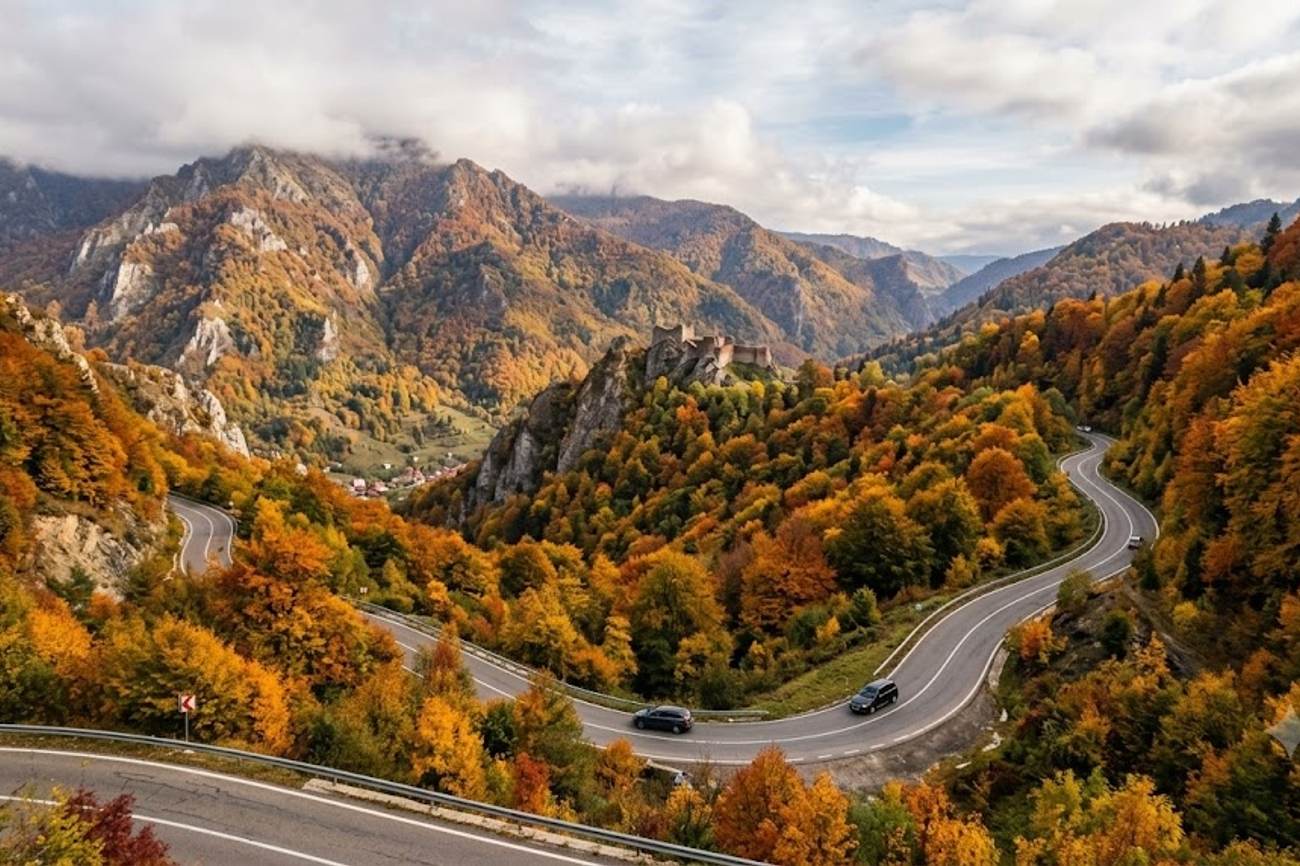
Image generated by AI
European shoulder-season tourism is shifting from a passive recovery phase to a strategic growth engine, with destinations like Romania and Malta aggressively diversifying their offerings to decouple revenue from the traditional July-August peak. While summer occupancy in Mediterranean hubs has historically dominated the fiscal year, the rise of "heritage-centric" autumn travel is flattening the seasonality curve, turning October from a wind-down period into a primary target for high-spend cultural tourists.
The Shoulder Season in Numbers: Diversification Metrics
The current movement toward autumn tourism is not merely a preference for cooler weather; it is a calculated shift in regional tourism portfolios. In Transylvania, the strategy centers on "altitude-based foliage windows," where the varying elevations of the Carpathian Mountains extend the peak autumn color window over several weeks rather than a few days. This geographical advantage allows Romania to capture a broader window of "leaf-peeper" tourism, centering on hubs like Brașov and high-traffic sites such as Bran Castle.
Simultaneously, Malta is leveraging its thermal advantage. With October daytime temperatures stabilizing between 24–25°C, the island is positioning itself as the primary Mediterranean alternative for travelers fleeing the northern European chill. This is coupled with a push into luxury culinary tourism, evidenced by the integration of high-end establishments like ION Harbour by Simon Rogan in Valletta, aimed at increasing the Average Daily Rate (ADR) during the shoulder season.
Beyond seasonal weather, the industry is seeing a massive pivot toward "Event-Based Anchoring." The upcoming San Sebastián Gastronomika (October 5–7, 2026) is a prime example. By celebrating 50 years of New Basque Cuisine with a global cod festival and technical masterclasses at the Kursaal Congress Centre, Spain is creating a high-density demand spike in a month that was previously secondary to the summer rush.
Comparative Context: Regional Strategy Shifts
The shift toward autumn and spring tourism is part of a broader European trend to combat "overtourism" in the summer months. According to data from the World Tourism Organization (UNWTO), the redistribution of tourist flows is essential for sustainable urban management. We are seeing a transition from "Mass Summer Tourism" to "Niche Seasonal Tourism."
The following table illustrates the strategic pivot across the regions mentioned, comparing the traditional summer draw against the emerging autumn value proposition.
| Destination | Summer Driver (Peak) | Autumn Driver (Emerging) | Key Metric/Attraction |
|---|---|---|---|
| Transylvania, Romania | General Sightseeing | Folklore & Foliage | Bran Castle Halloween/Carpathian Colors |
| Malta | Beach/Sun Tourism | Cultural/Culinary | 24–25°C Temp / Valletta Heritage |
| San Sebastián, Spain | Coastal Leisure | Gastronomy Events | Gastronomika 2026 (Oct 5-7) |
| Lisbon/London | City Breaks | Heritage Stays | Monastery/Convent Conversions |
This shift is further supported by a transformation in the hospitality sector. The conversion of religious and historic buildings into boutique hotels—such as the Corpus Christi Lisboa (a former 18th-century monastery with 132 rooms) and Native by Numa in London (a former convent with 29 apartments)—indicates a market move toward "Authenticity Assets." Travelers are no longer seeking standardized luxury; they are paying a premium for architectural history, which maintains high occupancy rates regardless of the season.
Practical Traveler Advisory and Strategic Insights
For the individual traveler or digital nomad, these data points suggest a fundamental change in how to book European travel to maximize value and experience.
- The "October Window" for Malta: If you are seeking Mediterranean weather without the July crowds, October is now the optimal window. With temperatures holding at 24–25°C, you can access the Blue Lagoon and Gozo with significantly lower congestion. However, the introduction of luxury anchors like ION Harbour suggests that high-end dining and boutique stays in Valletta should be booked 3-4 months in advance.
- Strategic Timing for Transylvania: To capture the full spectrum of Carpathian foliage, plan your trip across a 3-week window rather than a single week. Start in the higher elevations of the mountains and move toward the lower valleys. If your visit coincides with late October, expect Bran Castle to reach peak capacity due to Halloween-themed folklore tourism; booking accommodation in Brașov is essential as a central base.
- The 2026 Gastronomy Spike: For those planning a visit to the Basque Country, the period of October 5–7, 2026, will see a massive influx of global food professionals. If you are attending Gastronomika, secure lodging in the Parte Vieja district immediately, as the Kursaal Congress Centre area will experience extreme demand.
As Romania's Transylvania region prepares to unveil its autumn travel experiences, visitors can expect a plethora of events and heritage stays that showcase the country's rich cultural heritage. For the latest information on travel requirements and regulations, visitors can check the official website of the Romanian National Tourism Board for updates and guidance. This will ensure a seamless and enjoyable trip to Transylvania, with its stunning landscapes and vibrant cultural scene. 4. Workcation Shifts: The rise of "heritage apartments" like Native by Numa, which specifically integrate kitchenettes and work facilities into former convents, means that "workcations" are now viable in prime London districts like Fitzrovia during the off-season.
Forward Projection: The 2027 Eclipse Effect
The current infrastructure investments in Romania, France, Spain, Germany, Ireland, and Malta are not just for autumn 2025 or 2026. There is a clear trajectory toward the total solar eclipse of August 2027. Industry data providers like OAG often track capacity shifts ahead of major celestial events, and we are already seeing these regions prepare for a massive, short-term surge in passenger counts.
The "Heritage Hotel Boom" is the groundwork for this. By converting old monasteries and convents into high-capacity boutique hotels now, these cities are increasing their "bed count" to handle the 2027 spike without building new, unsightly concrete hotels. The transition toward arts and heritage festivals in 2026 is a "warm-up" phase to ensure that these destinations are recognized as year-round hubs rather than one-off eclipse stops.
As we track the movement of global tourism, the data suggests that the "Summer Peak" is losing its monopoly. The future of European travel is a distributed model where cultural events (Gastronomika), natural phenomena (Carpathian foliage), and architectural authenticity (monastery hotels) create a steady stream of high-value visitors from March through November.
FAQ: European Shoulder Season Trends 2026-2027
Will hotel prices in Transylvania increase in October? Yes. The combination of autumn foliage and Halloween-themed tourism at Bran Castle creates a new seasonal peak. Expect higher rates in Brașov during late October compared to September.
Is October a good time to visit Malta? Statistically, yes. With temperatures around 24–25°C and lower crowds than July/August, it offers the best balance of weather and accessibility for visiting Valletta and the Blue Lagoon.
Which airlines are expanding to support the 2027 eclipse? While specific flight numbers are not yet released, regions in the eclipse path—specifically Romania, France, and Spain—are seeing increased investment in heritage hospitality to prepare for the surge.
What is a "Heritage Hotel" and why is it trending? It is the conversion of historic buildings (like the 18th-century monastery at Corpus Christi Lisboa) into hotels. Travelers are prioritizing "authentic" stays over chain hotels, driving a boom in boutique conversions.
The era of the summer-only European vacation is dead; the data proves the shoulder season is the new prime time.
Tags: Transylvania-Autumn-Growth-2026, Malta-October-Tourism-Data, Basque-Country-Gastronomy-Trends, European-Heritage-Hotel-Market, Solar-Eclipse-2027-Preparation
Related Travel Guides
- Afghanistan Travellers Boost Panjshir Tourism as 450,000 Domestic and 500 Foreign Visitors Explore Scenic Attractions
- Italy Pair Up With Austria and More as Europe’s Coach Travel Revival Unlocks Multi Country Tourism Growth and Hidden Destinations
- Austria Aligns With Switzerland and Other Major Markets as International Tourism Dependence Reveals a New Travel Divide
This article is for informational purposes. Flight routes, passenger regulations, visa rules, and transit advisories are subject to change by airlines and aviation authorities. Readers are advised to verify schedules and travel documentation with relevant carriers and border agencies before departure.
Related Stories

European Mass Protests Disrupt Travel Across France, Italy, Belgium, and Turkey in 2026

Israel Tourism Recovery 2026: North American Flight Restorations and New ETA-IL Entry Rules