Afghanistan Travellers Boost Panjshir Tourism as 450,000 Domestic and 500 Foreign Visitors Explore Scenic Attractions

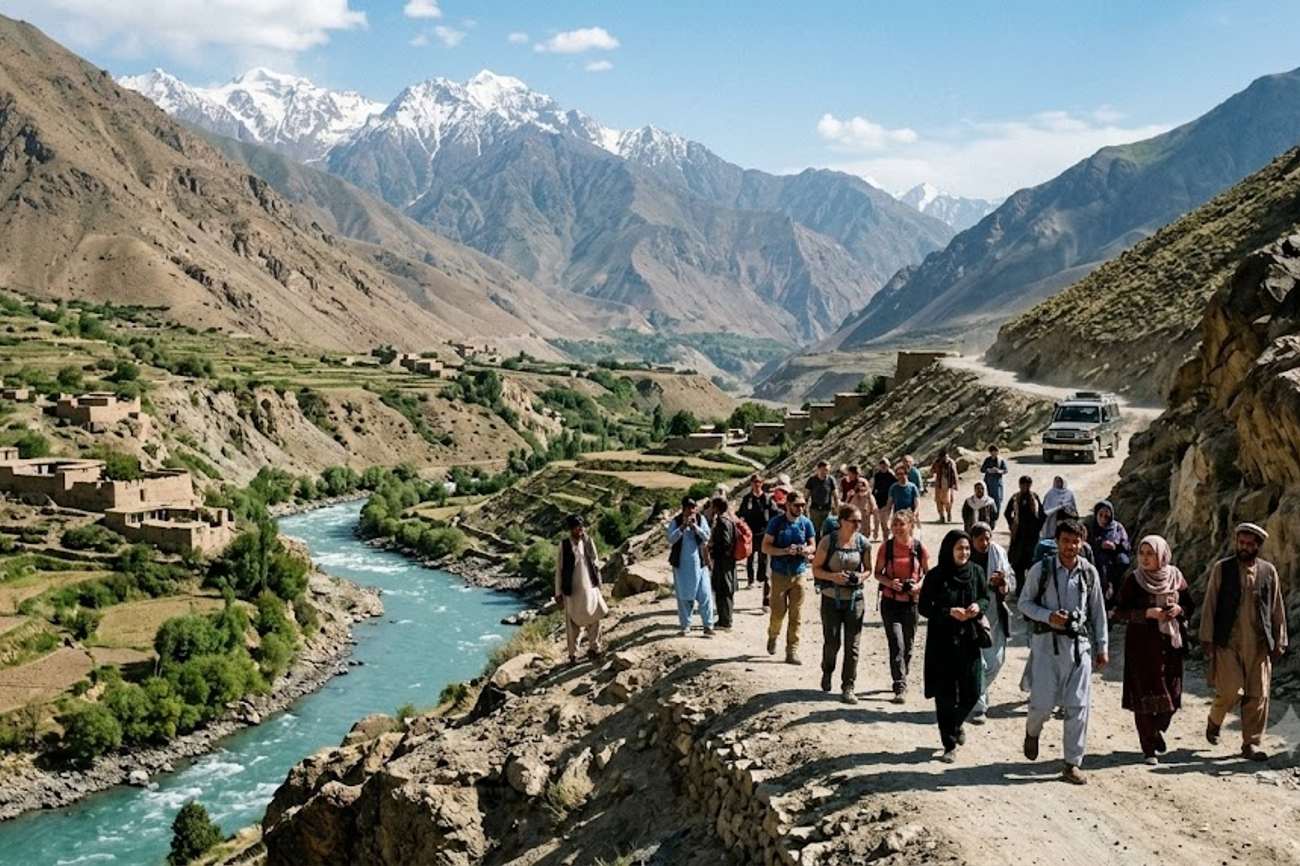
Image generated by AI
450,000 domestic travelers and 500 international visitors have recently converged on Afghanistan’s Panjshir province, signaling a calculated pivot toward nature-based tourism in a region historically defined by conflict. This surge in arrivals, including a specific cohort of 70 Russian tourists, suggests a shift in the risk-reward calculus for "frontier" travelers and a concerted effort by local authorities to monetize the province's rugged topography.
The Geopolitics of Frontier Tourism in Panjshir
The sudden visibility of Panjshir as a leisure destination is not an accident of geography, but a result of strategic positioning. Located in the northeastern quadrant of Afghanistan, the province is characterized by a dramatic alpine environment that contrasts sharply with the arid plains common to much of the country. By promoting sites such as Bazarak—the provincial hub—and the remote landscapes of Khawak and Margdel, local stakeholders are attempting to transition the regional economy from subsistence and conflict-driven activity toward a service-oriented hospitality model.
This transition is coinciding with a broader trend in global travel where "extreme" or "off-the-beaten-path" destinations see spikes in interest following periods of instability. The arrival of Russian nationals is particularly telling; it reflects a geopolitical alignment where travelers from nations with complex diplomatic ties to the current Afghan administration find fewer barriers to entry than those from Western nations. This creates a fragmented tourism market where access to Panjshir is dictated as much by passport strength as by a desire for adventure.
Quantifying the Tourism Surge
The scale of the current movement indicates a predominantly internal market, though the international component provides the high-value currency and global visibility necessary for infrastructure investment. The following data outlines the current visitor composition:
| Visitor Category | Total Count | Primary Motivation | Key Destinations |
|---|---|---|---|
| Domestic Travelers | 450,000 | Nature/Climate Escape | Bazarak, Waterfalls, Valleys |
| Foreign Tourists | 500 | Adventure/Frontier Exploration | Margdel, Khawak, Cultural Sites |
| Recent Russian Group | 70 | Group-led Expedition | Provincial Recreational Areas |
The concentration of these visits during the summer months is a logistical necessity. The high altitude of the Panjshir mountains renders the region nearly inaccessible during winter, creating a highly seasonal economic cycle. For the local hospitality sector, this means a massive influx of demand over a 3-to-4 month window, followed by periods of total dormancy.
Expert Analysis: The Logistics of High-Risk Hospitality
For travelers booking routes into Panjshir, the direct consequence of this growth is a widening gap between "official" tourism promotion and actual on-the-ground infrastructure. While the reports highlight "improved local tourism facilities," the reality of operating in northeastern Afghanistan means that luxury is non-existent. The current growth is driven by "low-impact" tourism—backpacking, photography, and nature trekking—which requires minimal fixed infrastructure but places a heavy burden on local transport and safety services.
The pricing pressure created by this influx will likely lead to a tiered system. Domestic travelers, numbering nearly half a million, sustain the basic economy of guesthouses and food stalls. However, the 500 foreign visitors, including the Russian contingent, provide the capital that attracts outside investment. This creates a volatile economic environment where local prices may inflate beyond the reach of domestic visitors to cater to the higher spending power of international tourists.
The scenic Panjshir Valley in Afghanistan has witnessed a significant surge in tourism, with 450,000 domestic and 500 foreign visitors exploring its breathtaking attractions. According to official reports, the Afghanistan Ministry of Information and Culture has been actively promoting the region's unique cultural heritage and natural beauty to attract more tourists. This influx of visitors has not only boosted the local economy but also highlighted the importance of preserving the valley's rich history and traditions.
From a regulatory perspective, the push for "sustainable management" mentioned by local authorities is a race against time. The Panjshir valley is a fragile ecosystem. An influx of 450,000 people into a region with limited waste management and water treatment systems poses a significant ecological threat. If the province follows the trajectory of other mountain destinations managed by the World Tourism Organization (UNWTO), it will either implement strict permit systems or risk the degradation of the very "untouched" character that currently attracts visitors.
Furthermore, the reliance on specific nationalities, such as Russians, suggests that Panjshir is becoming a proxy for diplomatic relations. Travelers should monitor the International Air Transport Association (IATA) for shifts in flight connectivity to Kabul, as the viability of Panjshir tourism is entirely dependent on the stability of the primary gateway into Afghanistan.
Key Takeaways
- Market Dominance: Domestic tourism is the primary driver, with 450,000 visitors dwarfing the 500 international arrivals.
- Geopolitical Access: The arrival of 70 Russian tourists indicates that Panjshir is currently more accessible to non-Western travelers.
- Seasonal Volatility: Tourism is strictly concentrated in the summer months due to the extreme alpine climate.
- Infrastructure Gap: While Bazarak serves as the central hub, most attractions (Margdel, Khawak) remain remote with limited formal services.
- Economic Shift: Local development is pivoting toward eco-tourism and adventure travel to create new employment streams.
FAQ: Panjshir Travel 2024
Is Panjshir safe for international tourists right now? Safety varies by nationality. While 500 foreign visitors have recently entered, travelers should check their own government's travel advisories. Most Western embassies maintain high-level warnings for all Afghan provinces.
What are the best sites to visit in Panjshir? The provincial center of Bazarak is the main entry point. For nature and photography, the waterfalls and the valleys of Margdel and Khawak are the most cited attractions.
When is the best time to visit Panjshir? Summer is the only viable window for tourism. The high mountain terrain makes the province nearly impassable during winter, and most visitors travel during the warmer months to enjoy the cooler alpine air.
What kind of accommodation is available in Panjshir? Facilities are basic. Most visitors rely on local guesthouses or rudimentary hospitality services. There is currently no widespread luxury hotel infrastructure in the province.
The transition of Panjshir from a fortress of resistance to a destination for Russian tour groups marks a provocative new chapter in the geography of global risk.
Related Travel Guides
- Italy Pair Up With Austria and More as Europe’s Coach Travel Revival Unlocks Multi Country Tourism Growth and Hidden Destinations
- Austria Aligns With Switzerland and Other Major Markets as International Tourism Dependence Reveals a New Travel Divide
- France Debt Set for Highest Since 1978 as €54 Billion Fiscal Plan Shapes Travel and Tourism Outlook
This article is for informational purposes. Flight routes, passenger regulations, visa rules, and transit advisories are subject to change by airlines and aviation authorities. Readers are advised to verify schedules and travel documentation with relevant carriers and border agencies before departure.
Related Stories

European Mass Protests Disrupt Travel Across France, Italy, Belgium, and Turkey in 2026

Israel Tourism Recovery 2026: North American Flight Restorations and New ETA-IL Entry Rules