
Regensburg Medieval Old Town Sets Standard for Cultural Tourism
Bavaria's historic Regensburg Old Town, featuring over 800 protected structures, offers a premier model of sustainable pedestrian-led cultural travel.

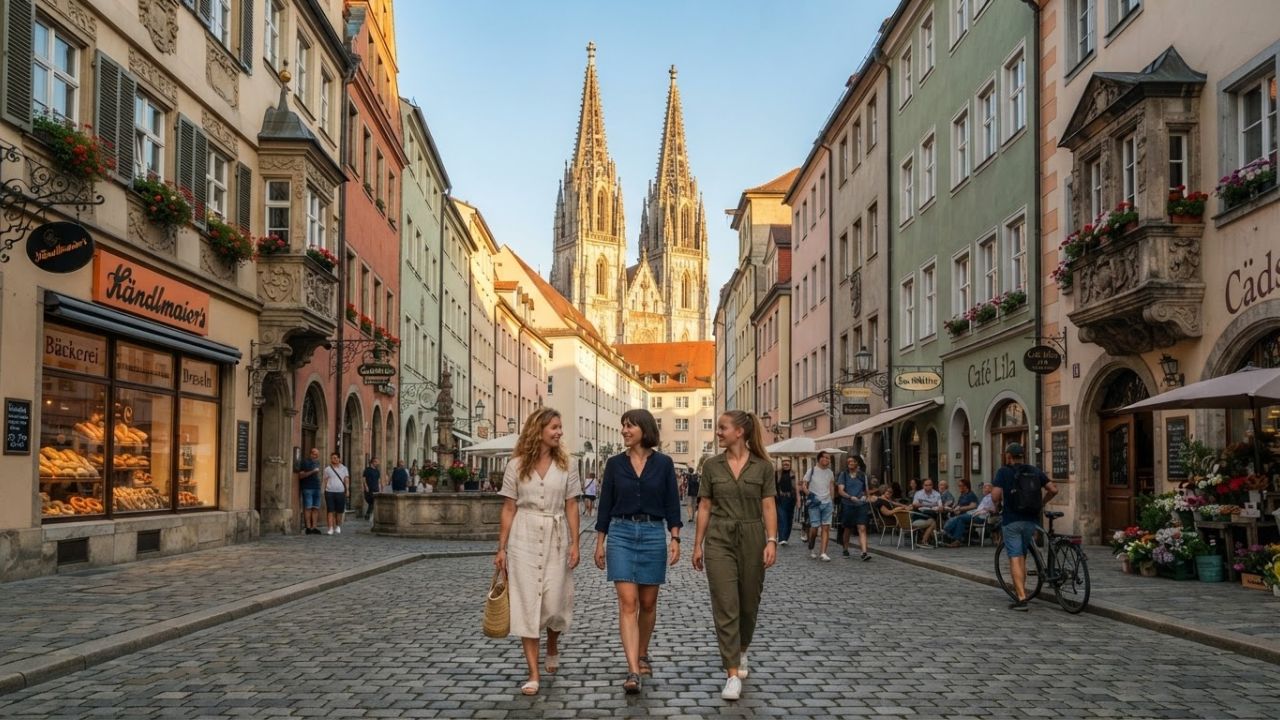
Image generated by AI
Regensburg’s medieval Old Town preserves more than 800 UNESCO-protected structures along the Danube River, demonstrating how pedestrian-only zones and small-group walking tours can protect fragile history while driving local economies.
The Local Trend Revealed: Preserved Medieval Urban Core
The international travel sector is experiencing a shift toward immersive heritage tourism, with travelers prioritizing historic urban centers that preserve a direct link to the past. Regensburg, located in the German state of Bavaria, has emerged as a premier destination for this trend. Often described as the "most Italian city outside Italy" due to its sunlit squares, narrow winding alleys, and Roman foundations, the city has preserved its architectural integrity.
Over 800 structures within Regensburg’s Old Town are protected under its UNESCO World Heritage status. Historically, these alleys were traversed by wealthy merchants along central European trade routes, as well as by St. Boniface and historical saints. To manage visitor foot traffic and prevent structural wear on medieval streets, municipal managers utilize pedestrian-only zones and small-group narrative walking tours. This model distributes crowds evenly across the historic center, safeguarding fragile buildings while supporting local businesses.
European Heritage Preservation and Tourism Management Models
| Destination | Primary Preservation Focus | Tourism Management Model | Visitor Impact Strategy |
|---|---|---|---|
| Regensburg, Germany | Intact medieval urban core & high density of UNESCO structures | Small-group narrative walking tours & local culinary integration | Pedestrian-only traffic zones and spread-out neighborhood itineraries |
| Florence, Italy | Renaissance architectural restoration & art museum conservation | High-capacity museum ticketing & centralized landmark circuits | Strict entry quotas at major galleries to reduce structural congestion |
| Bruges, Belgium | Medieval canal infrastructure & historic brick facade upkeep | Timed canal boat routes & regulated city center access | Vehicle restrictions and designated walking corridors for tour groups |
Cultural & Environmental Value: Pedestrian Transit and Culinary Heritage
For the traveler, the real impact of this preserved medieval environment is the ability to practice low-impact, slow travel that directly sustains local craft workshops and culinary traditions. By walking along the pedestrian-only streets, hiring certified regional guides, and purchasing fresh baked goods from local bakeries, visitors help distribute economic benefits to local residents.
Mapped in coordination with the Regensburg Tourism Board (RTG) and the Bavarian State Department of Monuments and Sites, these sustainable pedestrian zones protect historic building stock from environmental degradation. Rather than relying on high-carbon transport, visitors navigate the historic core entirely on foot, keeping travel carbon footprints low while financing ongoing monument upkeep through guided walks and museum admissions.
Architecture of the Regensburg Immersive Heritage Walk
- Orientation and Architectural Framing: Travelers gather at a central square where guides outline Roman foundations and Imperial diet assemblies.
- Narrative Character Encounters: Walking through narrow medieval alleys, the tour shares stories of historic merchant families and ruling emperors whose choices shaped the stone buildings.
- Deciphering Structural Symbols: Walkers pause at historic facades and religious carvings to read hidden medieval stonemason markings.
- Culinary Interludes and Tasting: The route stops at traditional bakeries and historic kitchens, connecting local recipes directly with medieval trade ingredients.
- Advocacy for Preservation: The walk ends in a living community square, inspiring travelers to support global heritage conservation.
Destination Specialist Local Insider Tips
To help you explore Regensburg’s medieval streets comfortably and responsibly, local specialists offer the following tips:
- Savor Bratwürste at the Historic Wurstkuchl: Experience local gastronomy. Try traditional Regensburger Bratwürste (grilled pork sausages served with sweet mustard, sauerkraut, and rye rolls) at the historic sausage kitchen (Wurstkuchl) near the Stone Bridge, operating since the 12th century.
- Wear Sturdy Walking Shoes: The entire UNESCO-protected center features ancient, uneven cobblestone paving. Sturdy footwear is necessary to navigate the alleys comfortably.
- Explore Stadtamhof Neighborhood: Cross the 12th-century Stone Bridge (Steinerne Brücke) to Stadtamhof. This quiet, historic quarter offers independent galleries, local cafes, and river views away from tourist plazas.
- Explore Alleys at Sunrise: Walk the winding paths between 07:00 and 08:30 to experience the quiet medieval atmosphere before shops open and day-tripper crowds arrive.
- Respect Local Resident Zones: The Old Town is a living neighborhood. Keep noise levels low in residential alleys, especially during evening hours.
Long-Term Outlook: Resilient Heritage Communities
The long-term outlook for Regensburg’s visitor economy relies on balancing structural conservation with high-quality, story-driven tourism. As regional planners refine crowd control networks and expand pedestrian-only corridors, the city remains a leading model for European heritage preservation. By keeping historical architecture inhabited and economically integrated, Bavaria is demonstrating how ancient spaces can remain vibrant, living neighborhoods for local residents while offering immersive education to global travelers, protecting historical assets from commercial overdevelopment.
Related Travel Guides
Disclaimer
This article is for informational and educational purposes only. It does not constitute legal, financial, or professional advice. While we strive to provide accurate and up-to-date information, travel policies, regulations, and conditions change rapidly. Always verify information with official sources before making travel decisions. Nomad Lawyer makes no representations about the accuracy, reliability, completeness, or suitability of the information provided. Readers should consult qualified professionals for advice specific to their circumstances. The views expressed in this article are those of the author and do not necessarily reflect the views of Nomad Lawyer.
Raushan Kumar
Founder & Lead Developer
Full-stack developer with 11+ years of experience and a passionate traveller. Raushan built Nomad Lawyer from the ground up with a vision to create the best travel and law experience on the web.
Learn more about our team →