
Road Resilience Works Impact Travel Routes to Bantayan Island
DPWH Cebu opens a ₱49.5M road tender in San Remigio, northern Cebu, to repair sinkholes and fault lines on the vital transit route serving Bantayan Island.
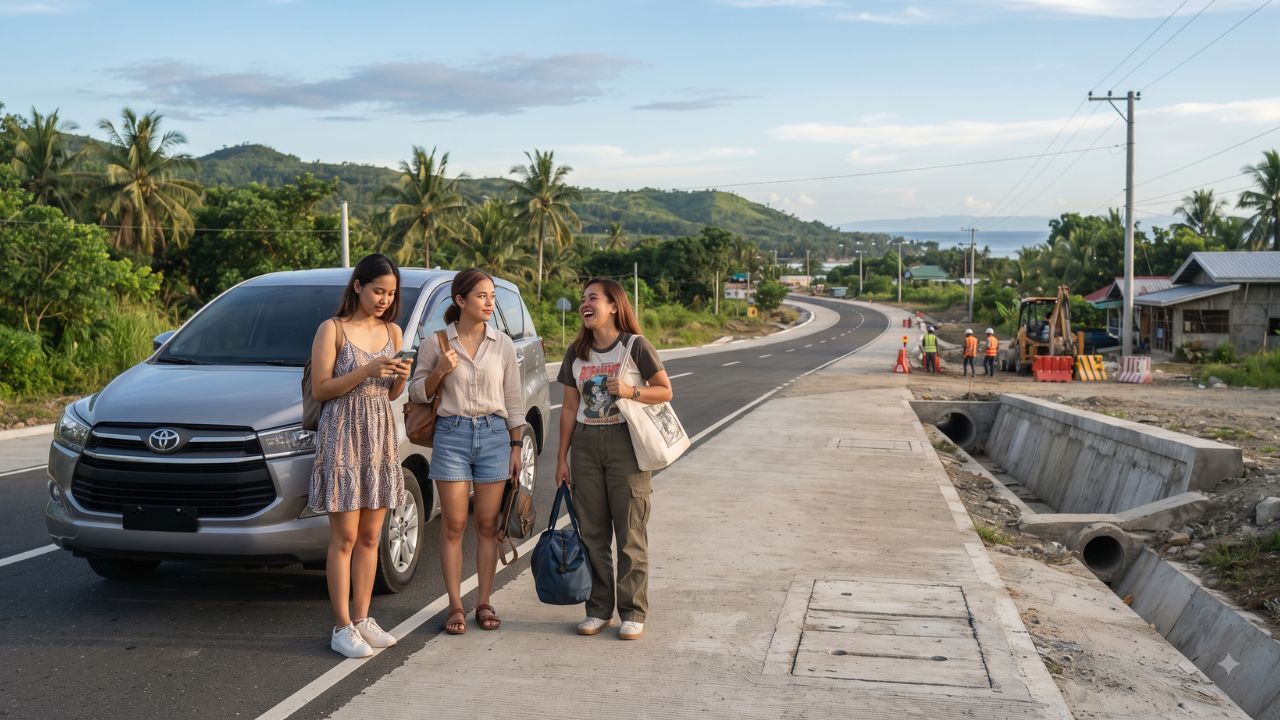
Image generated by AI
An active ₱49.5 million Philippine government tender for road repairs in San Remigio is set to upgrade geological resilience along the primary route to Bantayan Island.
Geological Upgrades for Northern Cebu's Main Transit Corridor
The Philippine Department of Public Works and Highways (DPWH) Cebu 4th District Engineering Office has launched an active civil works procurement process to address geological vulnerabilities in northern Cebu. Under Contract ID 26HG0124, the government has approved a budget of ₱49,500,000 to repair and improve road segments affected by sinkholes and fault lines in six barangays of San Remigio: Hagnaya, Maño, Poblacion, Looc, Lambusan, and Tambongon.
The tender was officially published on 10 July 2026, with a pre-bid conference held on 17 July 2026. The latest update on the Philippine Government Electronic Procurement System (PhilGEPS) was recorded on 13 August 2026, and the bid closing time is scheduled for 10:00 on 29 September 2026. The contract features a 283-day duration, meaning that mobilization and construction could extend well into 2027.
Hagnaya serves as the direct mainland ferry gateway to Bantayan Island, a premier destination in Cebu. Public transit travelers from the Cebu North Bus Terminal and private motorists drive approximately 100 kilometers north from Cebu City to Bogo City, then travel west to the port of Hagnaya in San Remigio. According to the provincial tourism authority, the land journey from Cebu City to Hagnaya takes about three to four hours, with the entire transit to Bantayan taking four to five hours once the ferry link and onward travel are included. Consequently, any infrastructure adjustments in these six barangays directly impact the entire travel chain.
Contract 26HG0124 Procurement Specifications
| Procurement Element | Officially Verified Position |
|---|---|
| Contract ID | 26HG0124 |
| Procuring Authority | DPWH Cebu 4th District Engineering Office |
| Classification | Civil works |
| Approved Budget | ₱49,500,000 |
| Contract Duration | 283 days |
| Affected Locations | Hagnaya, Maño, Poblacion, Looc, Lambusan, Tambongon |
| Geological Basis | Sinkholes and fault lines |
| Bid Closing Date | 29 September 2026 at 10:00 |
| Timetable Status | Timetable has been amended with four bid supplements |
Preserving Island Tourism through Resilient Ground Transport
For the traveler, the real impact of these infrastructure works is long-term journey reliability. The road improvements address geological instability remaining from the offshore northern Cebu earthquake of 30 September 2025. That magnitude Mw 6.9 earthquake caused destructive shaking (measured at PEIS VII) in Bogo City and triggered sinkhole collapses in the surrounding limestone terrain.
To manage this hazard, the Mines and Geosciences Bureau (MGB) Region VII conducted field validation and hazard assessments. By translating these geological studies into active infrastructure projects, the government protects both local communities and the domestic travel economy. The Philippine Statistics Authority’s 2025 Tourism Satellite Account highlights that tourism directly generated ₱2.27 trillion in gross value added, representing 8.1% of the national economy. With domestic tourism expenditure reaching ₱3.26 trillion (a 3.0% year-on-year increase) and supporting 7.70 million jobs, preserving access routes to major leisure destinations like Bantayan is essential for supporting local livelihoods and eco-tourism initiatives on the island.
Visitor Insider Tips for Bantayan and Cebu Travel
To make the most of your journey through northern Cebu and Bantayan Island, keep these practical visitor tips in mind:
- Identify Off-Peak Visit Windows: To enjoy Bantayan Island without the crowds, visit during the shoulder months of June to October, or the early dry season in November. Avoid Holy Week (March or April) unless you are participating in the local religious festivities, as the island experience becomes highly saturated and accommodation rates rise.
- Observe Temple and House Etiquettes: When visiting local heritage sites or churches like the Parish of Saints Peter and Paul in Bantayan town, dress modestly. Ensure shoulders and knees are covered. Always greet locals with a polite smile, and respect local environmental regulations by participating in the island’s "leave no trace" beach clean-up initiatives.
- Savor Local Dining Specialties: Sample fresh seafood directly from the local markets of Santa Fe, particularly the sun-dried rabbitfish known locally as danggit, which supports the community's traditional fishing industry. Try local coconut-based dishes and fresh puyo (mudfish) from family-owned eateries in San Remigio and Bogo City.
- Explore Under-the-Radar Heritage Sites: Instead of visiting only major tourist hubs, seek out quieter destinations. Visit the ancient town center of Bantayan, or stop in San Remigio to enjoy the quiet, undeveloped white sands of Lapyahan Public Beach.
Long-Term Outlook for Philippine Infrastructure and Travel
While the tender abstract does not announce any immediate port closures, road shutdowns, or ferry timetable modifications, the 283-day contract duration means that construction will overlap with the 2026–2027 peak dry travel season. Travel agents and tour operators must factor these potential infrastructure works into their transfer schedules, ensuring ample buffers are built into itineraries between Cebu City and Hagnaya Port.
In the long run, upgrading these sinkhole-affected roads will make northern Cebu's tourism corridor far more competitive. Destructive earthquakes and natural hazards present significant challenges to island destinations worldwide. By investing in resilient road design, the Department of Public Works and Highways helps secure the transit chain that connects Cebu's main urban hubs with its pristine islands, ensuring that Bantayan remains accessible and safe for international and domestic visitors for decades to come.
Related Travel Guides
Disclaimer
This article is for informational and educational purposes only. It does not constitute legal, financial, or professional advice. While we strive to provide accurate and up-to-date information, travel policies, regulations, and conditions change rapidly. Always verify information with official sources before making travel decisions. Nomad Lawyer makes no representations about the accuracy, reliability, completeness, or suitability of the information provided. Readers should consult qualified professionals for advice specific to their circumstances. The views expressed in this article are those of the author and do not necessarily reflect the views of Nomad Lawyer.