
Portugal Sun and Sea Travel Guide Showcases Europe’s Most Beautiful Coastal Experiences
Portugal Sun and Sea Travel Guide Showcases Europe’s Most Beautiful Coastal Experiences

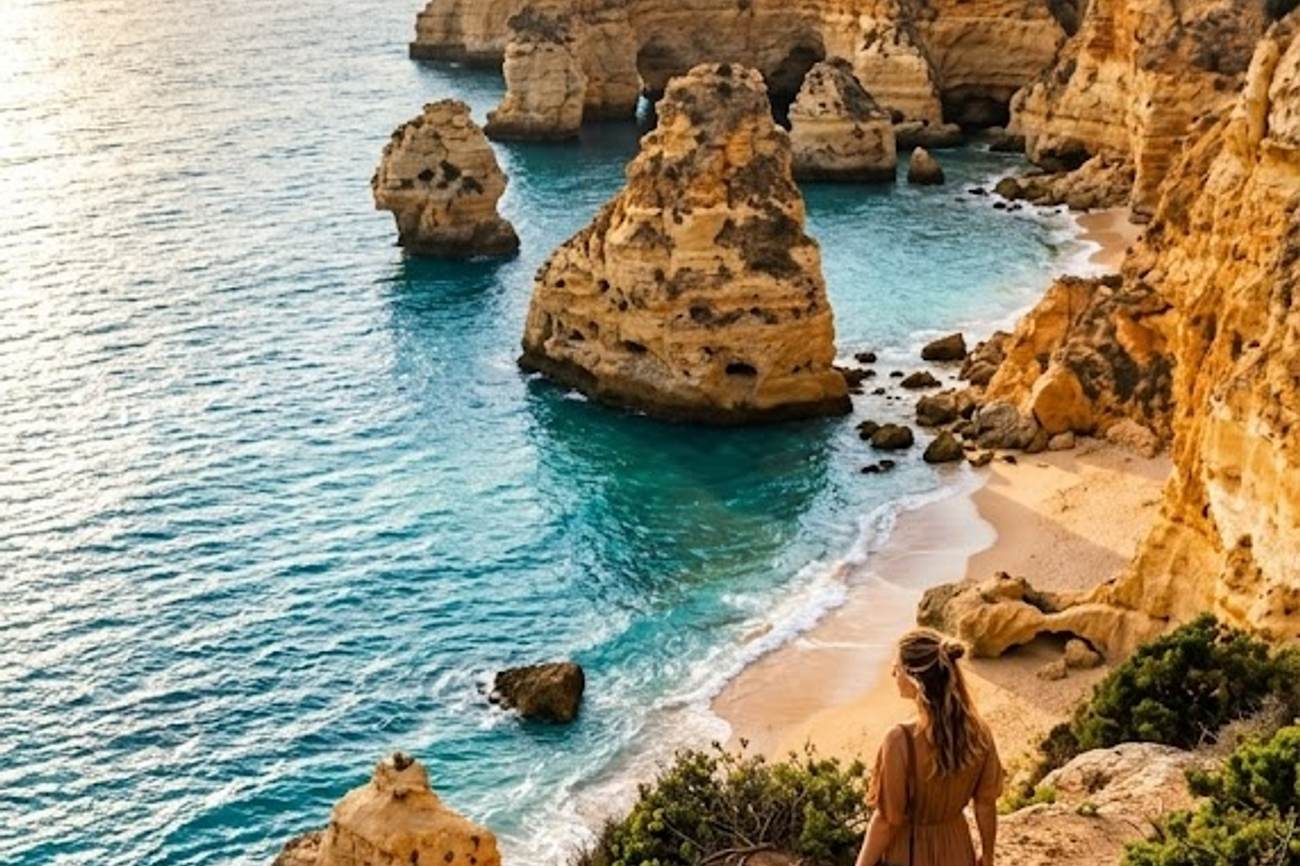
Image generated by AI
International tourist arrivals to Portugal surged to 18 million in 2023, a significant increase from the 15.7 million recorded in 2022, signaling a robust recovery that exceeds pre-pandemic benchmarks. This growth is not merely a return to form but a strategic shift toward diversifying the "sun and sea" product, moving from a reliance on the Algarve's seasonal peaks to a year-round, multi-regional coastal strategy.
The Atlantic Pivot: Diversifying the Coastal Portfolio
The current expansion of Portugal's coastal tourism indicates a deliberate move to decentralize visitor traffic. While the Algarve remains the primary engine for beach tourism, the Portuguese government and tourism boards are aggressively promoting the Alentejo coastline, the Silver Coast, and the autonomous regions of Madeira and the Azores. This shift is designed to mitigate the risks of over-tourism in southern hubs and extend the average length of stay.
Data from the World Travel and Tourism Council (WTTC) suggests that diversifying destination offerings within a single country typically increases the "secondary city" visit rate, which in Portugal's case is being driven by the promotion of surfing hubs like Nazaré and Ericeira. The transition from passive "sunbathing" tourism to active "adventure" tourism—specifically surfing, kayaking, and diving—represents a higher-spend demographic. Adventure travelers typically allocate more budget to specialized equipment rentals, certified instruction, and boutique lodging compared to traditional all-inclusive resort guests.
The strategic focus on the Azores and Madeira further expands the geographical footprint of the Portuguese brand. By positioning these volcanic archipelagos as nature-centric alternatives to the mainland, Portugal is capturing a segment of the market interested in marine exploration and wildlife observation, which aligns with the global rise in regenerative travel.
Regional Market Shifts and Benchmarks
Historically, the Algarve has held a dominant market share of Portugal's coastal visits. However, the emergence of Nazaré as a global epicenter for big-wave surfing has shifted the seasonal curve. Where the Algarve peaks sharply between June and August, the western coastline now sees significant spikes in the autumn and winter months, creating a more balanced annual revenue stream for the hospitality sector.
The following table illustrates the shift in coastal tourism focus and the resulting impact on visitor demographics and seasonal distribution.
| Region | Primary Driver (Previous) | Primary Driver (Current/Emerging) | Peak Season Shift | Target Demographic |
|---|---|---|---|---|
| Algarve | Passive Sun/Sea | Integrated Culture & Nature | Summer $\rightarrow$ Year-round | Families / Retirees |
| Lisbon Coast | Day-trip excursions | Surfing & Urban Beaching | Spring/Summer $\rightarrow$ Year-round | Gen Z / Millennials |
| Alentejo | Agricultural/Rural | Sustainable Coastal Retreats | Summer $\rightarrow$ Shoulder Seasons | Eco-conscious / Luxury |
| Azores/Madeira | Niche Nature | Marine Exploration / Hiking | Summer $\rightarrow$ Multi-seasonal | Adventure Seekers |
This regional redistribution is a response to broader European trends. According to UN Tourism (UNWTO), there is a marked increase in travelers seeking "slow travel" and "off-the-beaten-path" experiences. Portugal's promotion of the Ria Formosa region and the Alentejo coast directly targets this trend, moving away from high-density resorts toward protected natural landscapes.
Practical Traveler Advisory and Strategic Insights
The diversification of the Portuguese coast changes the calculus for booking and itinerary planning. The data indicates that the "one-size-fits-all" approach to a Portugal beach holiday is obsolete.
For those seeking the traditional high-amenity experience, the Algarve remains the gold standard, but the concentration of visitors in hubs like Albufeira and Vilamoura means that booking accommodation 4-6 months in advance is now mandatory for peak summer dates to avoid inflated last-minute pricing.
Conversely, travelers looking for adventure or sustainability should pivot their planning toward the western coastline or the islands. If you are planning a visit to Nazaré or Ericeira for surfing, the optimal window is now the shoulder seasons (September to November). Booking these trips 8-12 weeks in advance is recommended, as the surge in "surf-tourism" has limited the availability of specialized boutique guesthouses.
For the eco-conscious traveler, the Alentejo and Ria Formosa regions offer a lower density of tourists. Because these areas lack the massive hotel infrastructure of the south, the inventory of high-quality boutique stays is smaller. To secure lodging in these protected areas, travelers should aim for a booking window of 3-5 months.
Travelers exploring Portugal's coast can utilize the extensive rail network managed by Comboios de Portugal, which connects major hubs like Lisbon and Porto to seaside destinations. These services provide a sustainable alternative to car rentals, offering efficient passenger logistics for those visiting the Algarve or the Silver Coast.
Projections for Coastal Infrastructure and Sustainability
Based on the current trajectory, Portugal is likely to implement stricter carrying-capacity limits in its most sensitive coastal zones. The emphasis on "protected natural landscapes" mentioned in current tourism strategies is a precursor to more formal sustainable management systems. We can expect an increase in "green certifications" for seaside hotels and a potential introduction of access fees or permits for certain protected coves to prevent environmental degradation.
Furthermore, the growth of the Azores and Madeira as primary destinations—rather than secondary additions—will likely lead to increased flight frequencies and potentially lower airfares as carriers recognize the consistent demand for nature-based tourism. The integration of luxury seaside resorts with "local community experiences" suggests a trend toward "high-value, low-impact" tourism, where the goal is to increase the spend per visitor rather than the total number of visitors.
The expansion of water-sports infrastructure in the north and center of the country will continue to peel away market share from traditional Mediterranean beach destinations. As climate change makes southern Europe increasingly hot in July and August, Portugal's Atlantic breeze and slightly cooler coastal temperatures will become a competitive advantage, potentially shifting the European "summer holiday" center of gravity northward.
FAQ: Portugal Coastal Trends 2024-2025
Will beach prices increase in the Algarve? Yes. With arrivals hitting 18 million and a shift toward high-value tourism, expect a rise in premium accommodation rates. Booking early or exploring the Alentejo coast can provide more cost-effective alternatives.
Is it better to visit the islands or the mainland for nature? For volcanic landscapes and marine wildlife, the Azores and Madeira are superior. For a mix of sandy beaches and cultural towns, the mainland's Atlantic coast is the better choice.
Which regions are best for avoiding crowds? The Alentejo coastline and the Ria Formosa region currently offer the lowest visitor density compared to the Algarve and Lisbon’s surrounding beaches.
When is the best time for surfing in Portugal? While surfing is possible year-round, the most significant swells occur from September to March, particularly in Nazaré and Ericeira, making autumn the prime window for experienced surfers.
The shift from the sun-lounger to the surfboard is more than a marketing pivot; it is a data-backed realignment of the Portuguese economy toward sustainable, high-yield tourism.
Related Travel Guides
Disclaimer
This article is for informational and educational purposes only. It does not constitute legal, financial, or professional advice. While we strive to provide accurate and up-to-date information, travel policies, regulations, and conditions change rapidly. Always verify information with official sources before making travel decisions. Nomad Lawyer makes no representations about the accuracy, reliability, completeness, or suitability of the information provided. Readers should consult qualified professionals for advice specific to their circumstances. The views expressed in this article are those of the author and do not necessarily reflect the views of Nomad Lawyer.
Kunal K Choudhary
Co-Founder & Contributor
A passionate traveller and tech enthusiast. Kunal contributes to the vision and growth of Nomad Lawyer, bringing fresh perspectives and driving the community forward.
Learn more about our team →