
Costa Rica and US Mental Health Tourism Surge: Legal Rights and Wellness Travel Frameworks 2026
As burnout drives a shift toward preventative wellness tourism, Costa Rica and the US lead the Americas in mental health retreats, introducing new visa categories and specialized passenger protections.

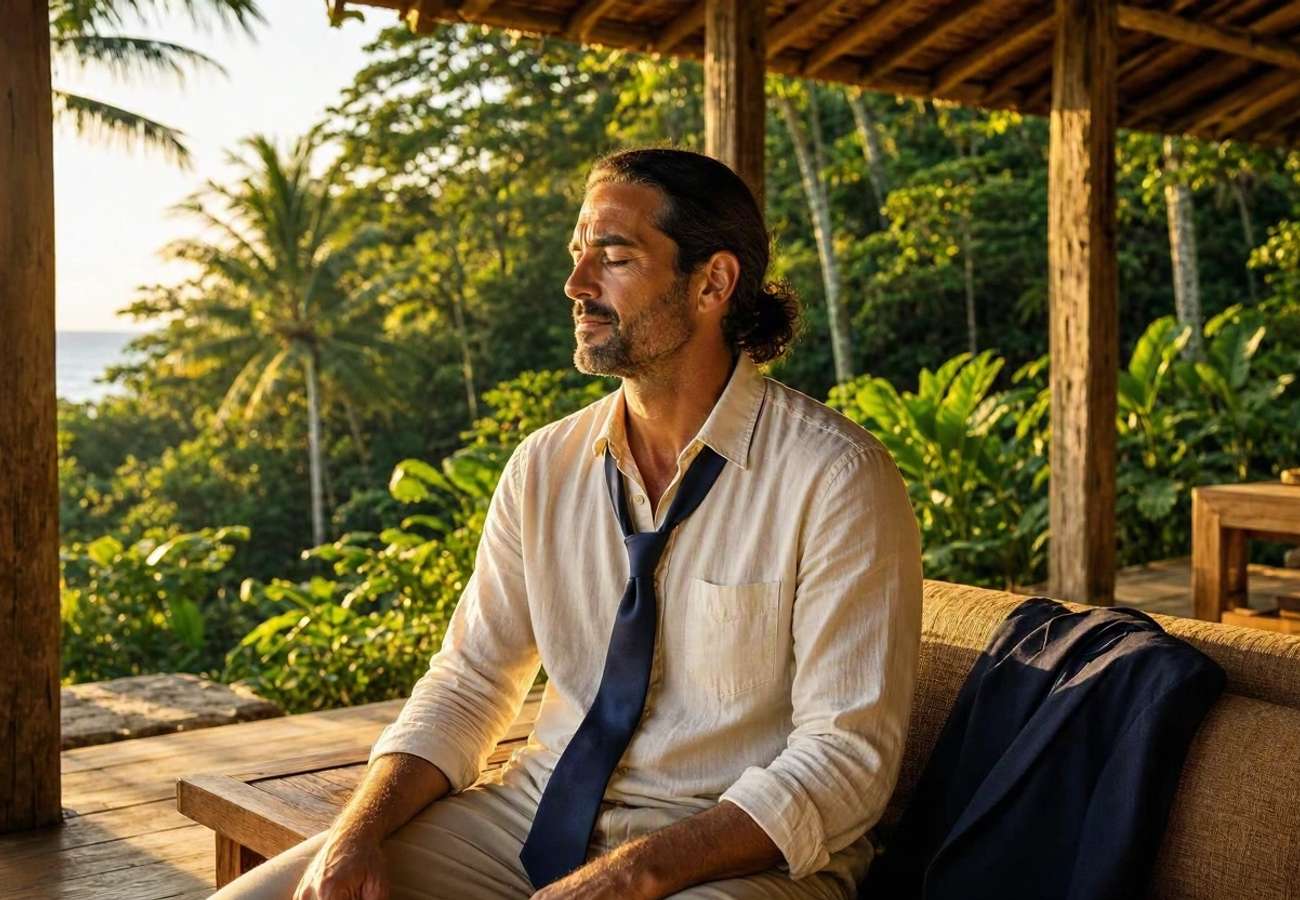
Image generated by AI
A corporate executive from New York arrives at the Nicoya Peninsula, not for a beach holiday, but to combat systemic burnout through a state-sanctioned "Plan de Vida" immersion program. This shift represents a broader movement where travelers now prioritize psychological recovery over traditional leisure, treating international trips as essential preventative medical interventions.
The Rise of Preventative Wellness Tourism
The Americas are witnessing a structural pivot in travel behavior, driven by a severe regional mental health treatment gap. According to data from the Pan American Health Organization (PAHO), this healthcare deficit exceeds 77.9 per cent across Latin America. In response, the 2024–2030 regional strategy has shifted toward holistic well-being, sparking a surge in "Preventative Wellness Tourism."
Unlike standard vacations, this sector focuses on proactive psychological management and the prevention of clinical mental illness through lifestyle modification and environmental immersion. This trend is closely monitored by the World Health Organization (WHO), as tourism infrastructure must now evolve to support both clinical and sub-clinical psychological needs.
Costa Rica: The Blue Zone Blueprint
The Costa Rican Tourism Board has positioned the nation as a global hub for psychological detoxification, specifically leveraging the Nicoya Peninsula. This region is a certified "Blue Zone," a demographic area where residents statistically live longer, healthier lives than the global average.
The wellness model in Nicoya is built on the "plan de vida" (a defined reason to live), which researchers link to lower physiological stress and longer telomeres. Visitors are encouraged to adopt this community-based psychology, supported by a government-regulated ecotourism framework designed to prevent cultural dilution.
The Nicoya Wellness Model vs. Traditional Tourism
| Psychological Factor | Traditional Nicoya Model | Wellness Tourism Implementation |
|---|---|---|
| Social Isolation | Multi-generational housing | Communal retreat structures |
| Daily Purpose | Plan de vida framework | Guided intention-setting workshops |
| Stress Management | Pura vida philosophy | Digital detoxification mandates |
| Physical Activity | Manual household chores | Traditional farming participation |
Beyond psychology, the environmental factors are strictly monitored by the Ministry of Agriculture. The local diet, centered on the "three sisters" (squash, corn, and beans) and calcium-rich water, is replicated in high-end resorts to reduce cardiovascular risk and improve mental clarity.
US Domestic Sanctuaries and Infrastructure Gaps
In the United States, wellness travel is dictated by the "State of Mental Health in America 2025" report. Travelers are increasingly migrating toward states with the highest access to professional mental healthcare and the lowest prevalence of clinical mental illness.
New York, Hawaii, and New Jersey have emerged as top-tier sanctuaries, attracting corporate professionals seeking high-capacity clinical retreat centers. Conversely, states like Nevada, Arizona, and Alabama rank at the bottom due to documented healthcare access gaps. This disparity is creating a commercial divide; destinations lacking premium emergency psychological care are losing high-yield visitor demographics.
US State Mental Health Tourism Impact
| US State | 2025 Mental Health Rank | Tourism Infrastructure Impact |
|---|---|---|
| Hawaii | Top Tier | Premium wellness sanctuary destination |
| New York | Top Tier | High-capacity clinical retreat centres |
| Nevada | Bottom Tier | Loss of preventative wellness revenue |
| Alabama | Bottom Tier | Severe healthcare access gaps reported |
Your Rights as a Passenger
Travelers flying to wellness retreats, particularly those in a state of psychological crisis, are protected by specific duty-of-care frameworks.
1. US Domestic Flights: The US Department of Transportation (DOT) enforces strict compensation and care rules. Passengers traveling for medical or mental health reasons who experience significant disruptions are entitled to timely refunds and assistance. If a flight is cancelled, the DOT requires airlines to provide a full refund regardless of the reason if the passenger chooses not to travel.
2. Costa Rican Immigration and Visas: For those seeking extended recovery, the Directorate General of Migration now issues temporary wellness visas. These legal frameworks allow for longer stays than standard tourist permits, providing a legal safety net for passengers undergoing deep psychological immersion. However, overstay liabilities are strictly enforced.
3. International Protections: Passengers flying from the EU or UK to these destinations remain covered under EU261/2004 or UK261. For example, a cancellation on a route from London to San José with less than 14 days' notice can entitle a passenger to up to €600 (£520) in compensation, depending on the distance and delay.
Rebooking Strategy for Wellness Travelers
If your flight to a wellness sanctuary is disrupted, the psychological impact of the delay can negate the purpose of the trip. Use these strategies:
- Priority Re-routing: If flying to the Nicoya Peninsula, check for alternative arrivals into Liberia (LIR) versus San José (SJO) to minimize ground transit stress.
- Medical Documentation: Carry a letter from your healthcare provider. While not always required for rebooking, it can assist in requesting "duty of care" accommodations from airlines for passengers in mental health crises.
- Carrier Alternatives: If a primary carrier fails, look for regional partners. For US domestic travel to Hawaii or New York, monitor FlightAware to identify the fastest alternative route to avoid prolonged airport stress.
FAQ: Mental Health Travel 2026
Am I entitled to compensation for a cancelled wellness flight? Yes. If your flight departs from the EU/UK or is operated by an EU/UK carrier, you may be entitled to compensation under EU261/UK261. In the US, you are entitled to a full refund if you choose not to take a rebooked flight.
What is a "wellness visa" in Costa Rica? It is a temporary permit issued by the Directorate General of Migration that allows tourists to stay longer than the standard tourist window specifically for psychological recovery and health immersion.
Which US states are best for mental health retreats? Based on 2025 data, Hawaii, New York, and New Jersey offer the best combination of low clinical illness prevalence and high access to professional healthcare services.
Can I get a refund for a pre-paid retreat if my flight is cancelled? This depends on the retreat's terms. However, travel insurance covering "any reason" or medical emergencies is highly recommended for high-yield wellness tourism.
Prioritize your peace of mind by knowing your legal standing before you board.
Related Travel Guides
Disclaimer
This article is for informational and educational purposes only. It does not constitute legal, financial, or professional advice. While we strive to provide accurate and up-to-date information, travel policies, regulations, and conditions change rapidly. Always verify information with official sources before making travel decisions. Nomad Lawyer makes no representations about the accuracy, reliability, completeness, or suitability of the information provided. Readers should consult qualified professionals for advice specific to their circumstances. The views expressed in this article are those of the author and do not necessarily reflect the views of Nomad Lawyer.
Preeti Gunjan
Contributor & Community Manager
A passionate traveller and community builder. Preeti helps grow the Nomad Lawyer community, fostering engagement and bringing the reader experience to life.
Learn more about our team →