
Beyond Lisbon: Exploring Évora and Portugal's Hidden Cultural Gems in 2026
Move past the crowds of the Algarve and Porto to discover Portugal's interior. From the Roman ruins of Évora to the coastlines of Viana do Castelo, explore the underrated cities shaping Portuguese tourism in 2026.

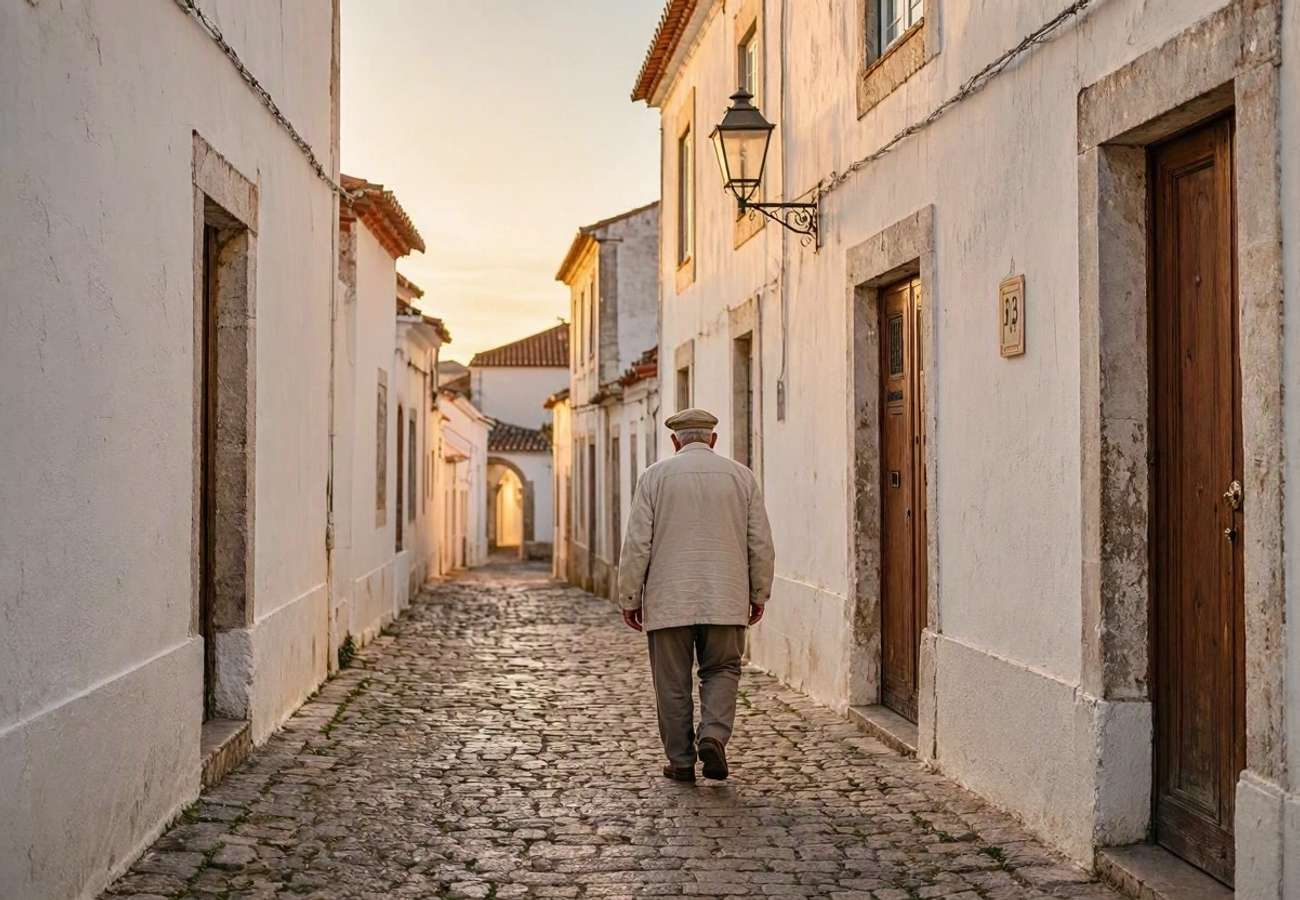
Image generated by AI
Only a small fraction of visitors to Portugal ever venture beyond the "Golden Triangle" of Lisbon, Porto, and the Algarve—yet the interior holds the country's most visceral history. While the capital captures the headlines, the true soul of the nation resides in the whitewashed walls of Évora and the medieval corridors of Tomar, where the pace of life slows to a rhythmic, rural crawl.
The Shift Toward Regional Exploration
Following Lisbon's double recognition at the 2026 World Travel Awards, there is a growing movement to redistribute tourism flow away from saturated urban centers. The Portuguese government and local authorities are now emphasizing "cultural escapes"—itineraries that link the capital to underrated hubs like Bragança, Viana do Castelo, Castelo Branco, and Aveiro.
This shift is a response to the sheer volume of arrivals. According to the latest reports from Turismo de Portugal, the country saw 32.5 million guests and 82 million overnight stays in 2025. With international visitors accounting for 69.5% of those stays, the pressure on primary cities has intensified, making the inland regions a sanctuary for those seeking authenticity over Instagram-famous landmarks.
National Tourism Growth and Recovery
The recovery of the Portuguese travel market has been aggressive since 2021. While the growth rate is beginning to moderate, the numbers indicate a robust appetite for the destination.
Portugal Tourism Performance: 2021–2025
| Year | Guests at Tourist Accommodation | Overnight Stays | Annual Stay Change | Market Context |
|---|---|---|---|---|
| 2021 | 14.54 million | 37.46 million | +45.2% | Early pandemic recovery |
| 2022 | Approx. 26.5 million | 69.7 million | +86.7% | Return of global travel |
| 2023 | 30.0 million | 77.15 million | +10.7% | Surpassed 2019 levels |
| 2024 | 31.6 million | 80.3 million | +4.0% | Steady expansion |
| 2025 | 32.5 million | 82.0 million | +2.1% | New national records |
The economic impact is equally significant. Broader tourism receipts hit €29.1 billion in 2025, with accommodation room revenue alone reaching €5.472 billion. For the traveler, this means that while infrastructure is improving in the interior, the "undiscovered" feel of these cities is rapidly evolving into a managed tourism experience.
What Makes the Interior Different
If Lisbon is the face of Portugal, the interior is its memory. Take Évora, for example. As a UNESCO World Heritage site, it serves as an open-air museum of the Alentejo region. Unlike the steep hills of Lisbon, Évora offers a flatter, more contemplative exploration of Roman ruins and medieval architecture.
The experience here is defined by "slow travel." In cities like Tomar or Castelo Branco, the attraction isn't a single monument but the intersection of regional cuisine and heritage. In the Alentejo, this manifests as açorda alentejana (a traditional bread-based soup) and migas, dishes that reflect the agricultural grit of the land.
Visitor Insider Tips
Timing Your Visit Avoid the peak summer heat of the Alentejo (July-August), where temperatures can be oppressive. The "shoulder seasons" of April-May and September-October offer the best light for photography and manageable crowds.
Transport Hacks While rental cars provide the most freedom for vineyard hopping, the intercity bus and train networks are efficient for reaching Évora and Aveiro. Always verify timetables via the national rail or bus portals, as regional schedules are less frequent than the Lisbon-Porto express lines.
Local Etiquette & Dining In smaller cities, the "prato do dia" (plate of the day) is the gold standard for authentic, affordable eating. Don't be afraid to ask servers for seasonal specialties; in the interior, the menu often changes based on the morning's harvest.
Where to Base Yourself Instead of large hotels, look for pensões or historic-center guesthouses. In Évora, staying within the medieval walls allows you to experience the city after the day-trippers from Lisbon have departed.
Cultural and Environmental Context
The push toward regional tourism is not just about traveler convenience; it is a strategy for cultural preservation. By directing the 69.5% of international overnight stays toward the interior, Portugal aims to revitalize dying villages and support local artisans.
However, this influx brings challenges. The balance between welcoming guests and maintaining the "slow life" of the Alentejo is delicate. Environmental concerns, particularly water scarcity in the southern interior, make sustainable choices—such as staying in eco-certified rural lodgings and supporting farm-to-table dining—essential for the longevity of these regions.
FAQ: Visiting Portugal 2026
What is the best time to visit the Portuguese interior? Spring (April to June) and Autumn (September to November) are ideal. You avoid the extreme summer heat of the Alentejo and the winter rains of the north, while benefiting from lower accommodation prices.
How do I get to Évora from Lisbon? Évora is easily accessible via a short train ride or intercity bus from Lisbon. For those exploring vineyards, a rental car is recommended, though the city center itself is pedestrian-friendly.
Is the interior of Portugal safe for solo travelers? Yes, the interior is generally very safe. Local communities in regions like Alentejo and Trás-os-Montes are known for their hospitality, though basic Spanish or Portuguese phrases are helpful in smaller villages.
Do I need a visa for Portugal? Depending on your nationality, you may need a Schengen visa. US, Canadian, and UK citizens typically do not need a visa for short stays, but always check the official consulate website for current 2026 regulations.
Leave the postcards behind and find the Portugal that doesn't know it's being watched.
Related Travel Guides
Disclaimer
This article is for informational and educational purposes only. It does not constitute legal, financial, or professional advice. While we strive to provide accurate and up-to-date information, travel policies, regulations, and conditions change rapidly. Always verify information with official sources before making travel decisions. Nomad Lawyer makes no representations about the accuracy, reliability, completeness, or suitability of the information provided. Readers should consult qualified professionals for advice specific to their circumstances. The views expressed in this article are those of the author and do not necessarily reflect the views of Nomad Lawyer.
Preeti Gunjan
Contributor & Community Manager
A passionate traveller and community builder. Preeti helps grow the Nomad Lawyer community, fostering engagement and bringing the reader experience to life.
Learn more about our team →