Peru Travel Beyond Machu Picchu: Chachapoyas, Ayacucho, and Regional Heritage

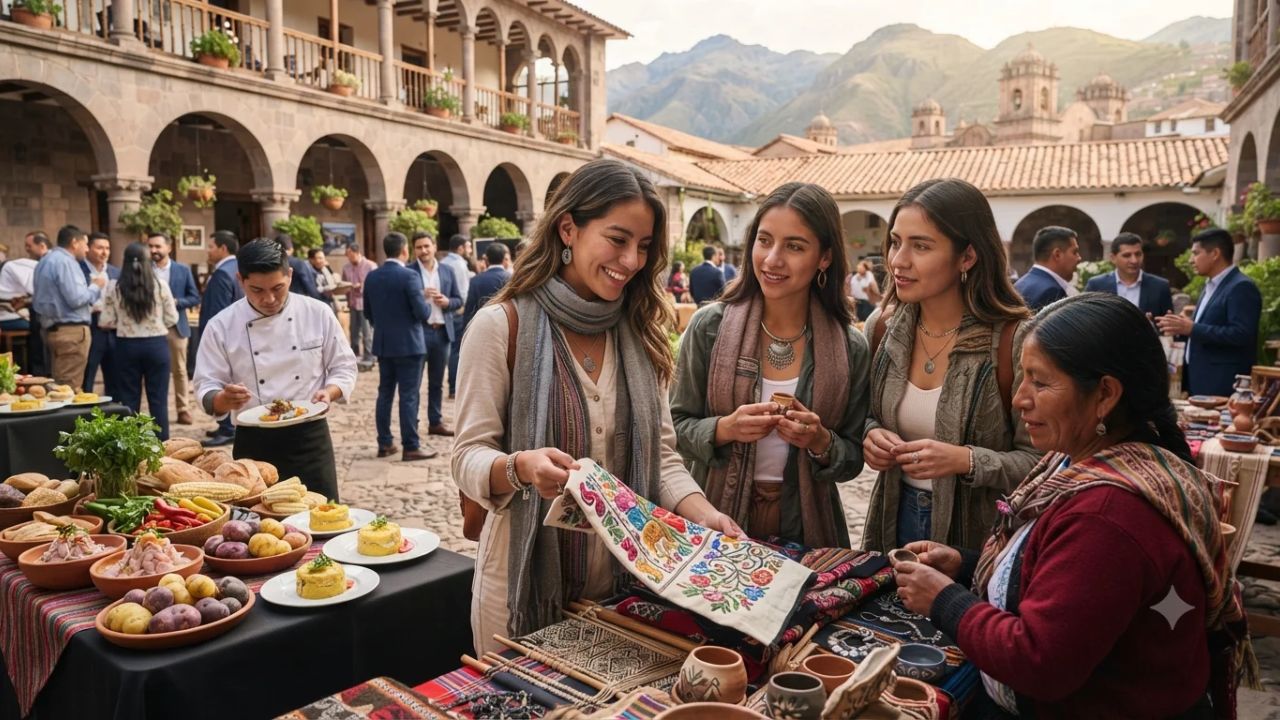
While more than eighty percent of first-time international arrivals to Peru concentrate their travel exclusively along the classic Lima-Cusco-Machu Picchu tourist circuit, the country's northern cloud forests and central highlands harbor monumental pre-Inca citadels and living artisan cities that rival the Sacred Valley. In the northern Amazonas region, the fortified stone city of Kuelap sits perched at 9,840 feet above sea level, accessed by an aerial cable car system that whisks visitors past jungle gorges to explore towering 60-foot limestone walls built by the Cloud Warriors. This dramatic regional diversification took center stage at Peru Travel Mart, where National Chamber of Tourism (Canatur) organizers gathered more than 200 international travel delegates to redefine Peru as a complete 360-degree cultural and gastronomic destination.
Led by Maritza Montero, Vice President of Canatur and President of the Peru Travel Mart organizing committee, the showcase expanded beyond its initial 190-buyer estimate to present regional delegations from Ayacucho, Chachapoyas, Cajamarca, Arequipa, and Huánuco. In collaboration with PromPerú, the initiative shifts global travel attention toward decentralized community-based tourism, showcasing master weavers, ceramicists, and traditional culinary guilds across diverse Andean microclimates.
A 360-Degree Vision Across Peru's Unexplored Regions
The evolution of Peru Travel Mart reflects a calculated shift in South American tourism strategy. Rather than presenting Peru as a single-monument destination, tourism authorities are positioning the nation through regional ecosystems that combine biodiversity, pre-Columbian archaeology, and living traditions.
During the summit, delegations from northern and central departments presented travel routes that relieve visitor pressure on southern heritage sanctuaries while delivering economic benefits directly to rural cooperatives. The inclusion of remote communities allows indigenous textile weavers, silversmiths, and ceramic masters to negotiate directly with global tour operators, ensuring that tourism spending supports traditional artisan livelihoods.
| Regional Destination | Geographic Setting | Primary Heritage Anchor | Distinctive Visitor Experience |
|---|---|---|---|
| Chachapoyas (Amazonas) | Northern cloud forest ridges | Kuelap Fortress & Gocta Waterfall | Modern cable car transit, cliffside tombs |
| Ayacucho (Huamanga) | Central Andean mountain basin | Over 30 colonial heritage churches | Master artisan retablos & Santa Ana weaving |
| Arequipa (Southern Andes) | Volcanic valley beneath El Misti | Historic white sillar architecture | Traditional picantería dining, Santa Catalina |
| Cajamarca (Northern Highlands) | Northern inter-Andean valley | Inca thermal baths & Ransom Room | Dairy craft culture, pre-Inca canal routes |
| Huánuco (Central Gateway) | High jungle & mountain transition | Kotosh Temple of Crossed Hands | Pre-ceramic archaeology, cacao farming |
For international travelers, these regional routes open access to archaeological sites protected by the UNESCO World Heritage Centre that offer uncrowded explorations and genuine hospitality across family-run posadas and boutique mountain lodges.
Pre-Inca Citadels, Baroque Spires, and Sillar Architecture
The architectural and geographic variety of Peru's outer regions provides a stark contrast to the standard Inca trail itinerary. In Chachapoyas, the Kuelap archaeological complex showcases circular stone dwellings adorned with zigzag friezes, constructed by the Chachapoya culture centuries before the Inca Empire expanded into the northern cloud forests. Nearby, Gocta Falls plunges 2,530 feet across two dramatic tiers, ranking among the tallest free-leaping waterfalls on Earth.
In the central department of Ayacucho, the regional capital of Huamanga is renowned as the City of Churches, preserving more than 30 colonial-era stone temples featuring carved baroque altars and clay tile domes. The city's historic Santa Ana neighborhood houses generational master artisans who hand-carve intricate wooden retablo altarpieces depicting religious and community folklore, alongside traditional backstrap-loom textile weavers.
Further south, Arequipa—the "White City"—is constructed almost entirely from white volcanic sillar stone quarried from the slopes of the active Misti Volcano. The city combines massive 16th-century monastic complexes like the Santa Catalina Monastery with an indigenous culinary heritage preserved in communal picanterías, where wood-fired ovens produce rocoto relleno and slow-simmered adobo pork.
Visitor Insider Tips for Touring Regional Peru
Exploring Peru's northern and central departments requires practical transit strategies and local cultural understanding.
- Fly to Shumba Airport (Jaén) for Chachapoyas Access: To visit Kuelap and Gocta Falls, take a domestic flight from Lima to Jaén Airport (JAE), followed by a scenic three-hour private transfer to Chachapoyas. Book morning cable car tickets from the village of Nuevo Tingo to ascend to Kuelap's upper citadel before mountain mist rolls in.
- Visit Master Artisan Workshops in Ayacucho's Barrio Santa Ana: Walk through the artisan district of Santa Ana in Ayacucho to purchase authentic hand-carved retablos, filigree silver jewelry, and vegetable-dyed alpaca rugs directly from master craftsman studios without intermediary retail markups.
- Dine at Heritage Picanterías in Yanahuara (Arequipa): Skip tourist cafes around Arequipa's Plaza de Armas and cross the river to traditional neighborhood picanterías in Yanahuara and Sachaca. Order traditional chupe de camarones (crayfish chowder) and chicha de jora (fermented corn drink) during traditional midday lunch hours between 12:30 PM and 3:00 PM.
- Acclimatize in Cajamarca Before High-Altitude Treks: If planning northern highland hikes, spend two days in Cajamarca (8,900 feet). Visit the thermal Baños del Inca and sample artisanal Cajamarquino cheeses and manjar blanco caramel to allow your respiratory system to adapt smoothly.
- Carry Peruvian Soles Cash for Remote Community Transit: While hotels and restaurants in Lima accept international credit cards, regional combis (shared minivans), local trail guides in Amazonas, and village markets in Huánuco operate exclusively in physical Peruvian Soles.
Indigenous Community Stewardship and Heritage Preservation
The expansion of regional travel highlighted at Peru Travel Mart aligns with sustainable conservation principles designed to protect Peru's fragile biodiversity and ancient monuments. In the Amazonas department, local community associations manage buffer-zone trail networks surrounding Gocta Falls and Kuelap, preventing uncontrolled deforestation and protecting endangered species like the Andean cock-of-the-rock and the yellow-tailed woolly monkey.
Simultaneously, municipal programs in Ayacucho and Cajamarca prioritize the transmission of traditional crafts to younger generations through community apprentice guilds. When travelers visit these secondary and tertiary regional destinations, their patronage directly sustains rural indigenous economies, revitalizing ancestral agricultural terraces, native cotton farming, and natural wool dyeing techniques that define Peru's living cultural fabric.
FAQ: Exploring Regional Peru 2026
How do visitors reach Kuelap Fortress in Chachapoyas? Travelers fly from Lima to Jaén (JAE) or Chachapoyas, travel to the village of Nuevo Tingo, and board the 20-minute modern aerial cable car directly to the citadel entrance.
What is Ayacucho famous for in Peruvian culture? Ayacucho is celebrated for its historic collection of more than 30 colonial churches and its master artisan traditions, including hand-carved retablo altarpieces, silver filigree, and textiles.
Why is Arequipa called the "White City"? Arequipa earned the nickname because its historic civic buildings, churches, and mansions are constructed from white sillar, a volcanic ignimbrite quarried from nearby volcanoes.
How many delegates attended Peru Travel Mart 2026? The event expanded beyond its initial 190-participant target, welcoming more than 200 international buyers and tourism professionals to explore Peru's regional diversity.
Beyond the legendary stones of Machu Picchu lies an untamed Peru of cloud-forest fortresses, baroque spires, and master artisans keeping ancient traditions vibrantly alive.
Related Travel Guides
This article is for informational purposes. Flight routes, passenger regulations, visa rules, and transit advisories are subject to change by airlines and aviation authorities. Readers are advised to verify schedules and travel documentation with relevant carriers and border agencies before departure.
Related Stories
Hanoi Opens 12 Old Quarter Heritage Sites for Creative Design Festival as Vietnam Accelerates High-Yield City Breaks
Albania’s Historic Castle Town of Krujë Pivots to Slow Travel as Overnight Stays Replace Day-Trip Crowds