
California National Forest: Uncrowded Fishing & Hiking Alternatives to Redwood 2026
Discover pristine California national forest destinations offering world-class fishing and scenic hiking across 1+ million acres without Redwood Park's overwhelming summer crowds in 2026.

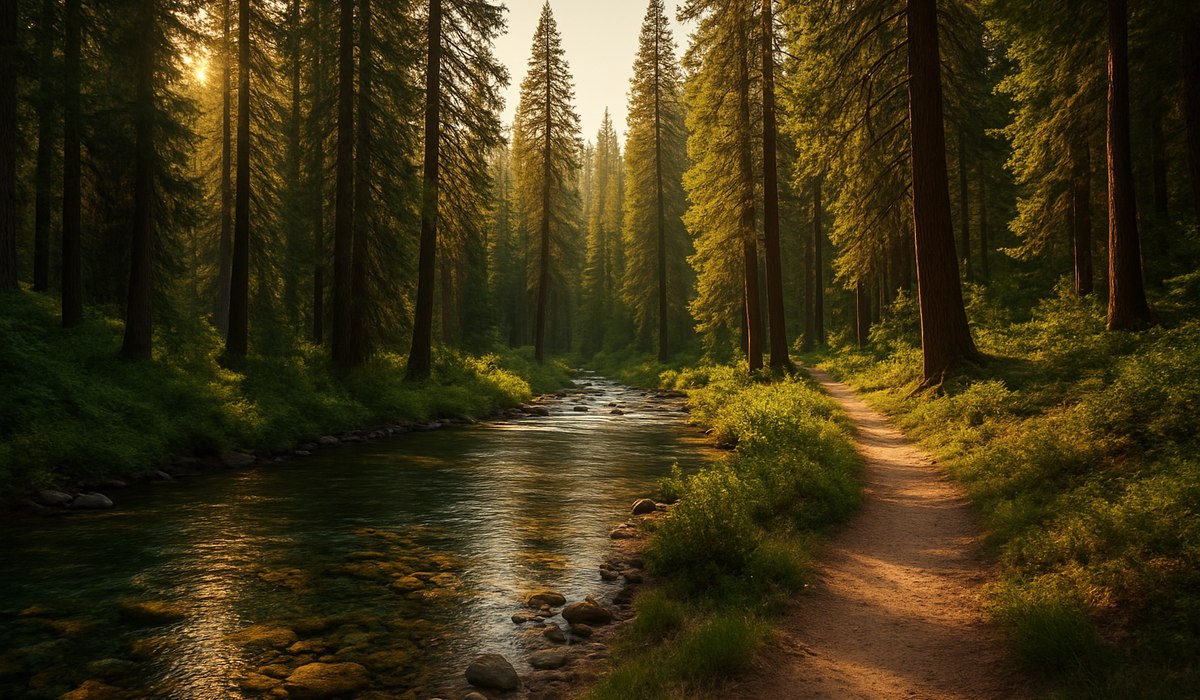
Image generated by AI
Experience the Wilderness: California's Best-Kept National Forest Secret
California's national forest system offers an exceptional alternative to overcrowded Redwood National Park, delivering pristine wilderness across more than 1 million acres. Travelers seeking uncrowded fishing, scenic hiking trails, and authentic outdoor experiences can find everything they need without the summer bottlenecks that plague popular coastal parks. This 2026 travel season, smart adventurers are redirecting their plans toward hidden California national forest destinations that deliver superior solitude and access to world-class recreational opportunities.
Why Skip Redwood National Park
Redwood National Park attracts nearly 500,000 annual visitors, creating congestion on its most popular trails and parking lots that fill by mid-morning during peak season. The park's limited trail network and concentrated attractions mean you're sharing your experience with thousands of other tourists at any given time.
A California national forest presents a fundamentally different experience. These federally-managed lands encompass vastly greater acreage with dispersed trail networks and multiple entry points. Visitor services remain minimal by design, preserving the wilderness character. Remote fishing access, backcountry camping, and solitude-focused recreation define these spaces rather than developed amenities and guided experiences.
The Hidden Gem: Which Forest to Visit
Shasta-Trinity National Forest and Klamath National Forest represent top-tier alternatives for travelers seeking the California national forest experience. Located in northern California near the Oregon border, these forests maintain the coastal redwood ecosystem elements that attract Redwood visitors while offering dramatically fewer crowds.
Shasta-Trinity spans 2.3 million acres across multiple counties. Its river systems—including the Sacramento, Trinity, and McCloud—provide exceptional steelhead and salmon fishing. Elevation ranges from 2,000 to 14,000 feet, creating diverse ecosystems from coastal to alpine zones.
Klamath National Forest contributes another 1.7 million acres of pristine wilderness. The Klamath River system ranks among California's premier fishing destinations, while granite peaks and old-growth forest landscapes rival anything found at commercial tourism destinations. Both forests maintain rustic campgrounds, dispersed camping areas, and backcountry sites that require advance planning but reward visitors with genuine solitude.
Best Fishing Spots and River Access
The California national forest system protects multiple Gold-medal and premium fishing waters. Shasta-Trinity's upper Sacramento River attracts serious anglers pursuing trophy rainbow trout and steelhead. Summer flows provide wade-friendly conditions along public access points near Mill Creek and Dunsmuir.
Trinity River tributaries offer spring-run chinook and coho salmon opportunities from April through October. Specific access points include the Coffee Creek confluence and the Big Bar area. Less-documented access at remote forest service roads yields fishing pressure percentages far below comparable waters on regulated park lands.
Klamath National Forest's Klamath River main stem provides fall and winter steelhead runs. The Scott River and Salmon River tributaries hold native populations of coastal cutthroat trout. These species require specialized techniques and patience—exactly what attracts dedicated fishing communities seeking escape from casual tourist crowds.
Forest service websites provide detailed access point maps, seasonal restrictions, and permit requirements. California Department of Fish and Wildlife maintains current regulations for each drainage system. Plan river trips during shoulder seasons (April-May and September-October) for optimal conditions and minimal competition for access.
Top Scenic Trails for Every Skill Level
The California national forest network maintains hundreds of miles of maintained trails accommodating all experience levels. Castle Lake Trail near Mount Shasta offers moderate 5-mile round-trip hiking with panoramic lake and peak views accessible for families and casual hikers.
Cliff Lake Trail provides intermediate-level 8-mile trekking through mixed forest and alpine meadows. The route climbs 1,200 feet over accessible switchbacks, rewarding hikers with views of the Trinity Alps wilderness boundaries. Summer conditions allow safe passage from late June through September.
Advanced backcountry trekkers should explore the Trinity Alps Wilderness core. The 7-day permit-required traverses of the Alps present true alpine experiences with glacial lakes, granite peaks, and wildlife encounters. Trails remain snow-covered until July, limiting access but extending uncrowded conditions deep into summer months.
The California national forest system maintains these trails with minimal development. No paved overlooks, no interpretive centers, no commercial concessions. What you encounter represents genuine wilderness recreation requiring self-reliance and respect for weather, wildlife, and environmental conditions.
Understanding Access and Planning Your Visit
Access to California national forest lands requires different logistics than national park visits. Most trailheads involve 30-45 minute drives on forest service roads from nearest towns like Mount Shasta, Trinity Center, or Yreka. Roads remain unpaved, requiring standard vehicle clearance and winter closure awareness.
Camping infrastructure spans from developed campgrounds with water and vault toilets to pure dispersed camping on national forest land. Developed campgrounds cost $15-25 nightly. Dispersed camping requires self-sufficiency but remains free under federal regulations. Advance reservations through Recreation.gov serve developed sites; dispersed camping operates first-come basis with 14-day stay limits.
Cell service remains unreliable across most California national forest terrain. GPS devices and offline maps prove essential navigation tools. Sudden weather changes, river swelling, and wildlife encounters require appropriate preparation. The solitude comes with responsibility for self-rescue and environmental awareness.
Nearest commercial services concentrate in gateway towns. Mount Shasta offers restaurants, lodging, and equipment rental. Trinity Center provides seasonal services. Yreka delivers regional amenities. Plan supply runs before entering forest zones. Reliable fuel stations become scarce once you depart major highways.
How to Book the Best Fare
Unlike national park infrastructure, California national forest visits don't involve centralized booking systems. However, several reservation platforms streamline camping and logistics planning.
Recreation.gov operates as the primary portal for developed campground reservations across national forest systems. Reservations open 6 months in advance. Popular sites fill within minutes during peak season windows. Book immediately upon window opening for summer weekend dates.
Dispersed camping requires no reservations but demands self-sufficiency. Scout locations using National Forest Service websites and user-submitted maps on platforms like Campendium. Visit.org and FreeOK provide additional dispersed camping intelligence.
Consider utilizing Airbnb and VRBO for base camp lodging in gateway towns. This approach minimizes daily drive times while providing hot showers and prepared meals between backcountry excursions. Package deals often emerge during shoulder seasons (May and September-October).
Key Data: California National Forest Statistics
| Metric | Shasta-Trinity | Klamath | Recreation Impact |
|---|---|---|---|
| Total Acreage | 2.3 million | 1.7 million | Vastly exceeds Redwood's 139,600 acres |
| Annual Visitors | ~150,000 | ~85,000 | 66-70% fewer than Redwood's 500,000 |
| Developed Campgrounds | 17 | 12 | Limited capacity = longer solitude |
| Fishing Rivers | 8 major systems | 6 major systems | Multiple simultaneous access points |
| Wilderness Permits | $5 per person | $5 per person | Barrier creates self-selecting visitors |
| Trail Miles | 1,200+ | 950+ | 10x Redwood's trail network |
| Elevation Range | 2,000-14,137 ft | 1,400-9,002 ft | Diverse ecosystems within single forest |
| Highest Peak | Mount Shasta | Mount Hambright | Iconic summit experiences |
What This Means for Travelers
Smart travel planning in 2026 means reconsidering destination assumptions shaped by marketing and social media trends. California national
Disclaimer
This article is for informational and educational purposes only. It does not constitute legal, financial, or professional advice. While we strive to provide accurate and up-to-date information, travel policies, regulations, and conditions change rapidly. Always verify information with official sources before making travel decisions. Nomad Lawyer makes no representations about the accuracy, reliability, completeness, or suitability of the information provided. Readers should consult qualified professionals for advice specific to their circumstances. The views expressed in this article are those of the author and do not necessarily reflect the views of Nomad Lawyer.
Kunal K Choudhary
Co-Founder & Contributor
A passionate traveller and tech enthusiast. Kunal contributes to the vision and growth of Nomad Lawyer, bringing fresh perspectives and driving the community forward.
Learn more about our team →