
Peru Travel Advisory 2026 Urges Visitors To Exercise More Caution As Security Risks Rise Across South America
Peru Travel Advisory 2026 Urges Visitors To Exercise More Caution As Security Risks Rise Across South America

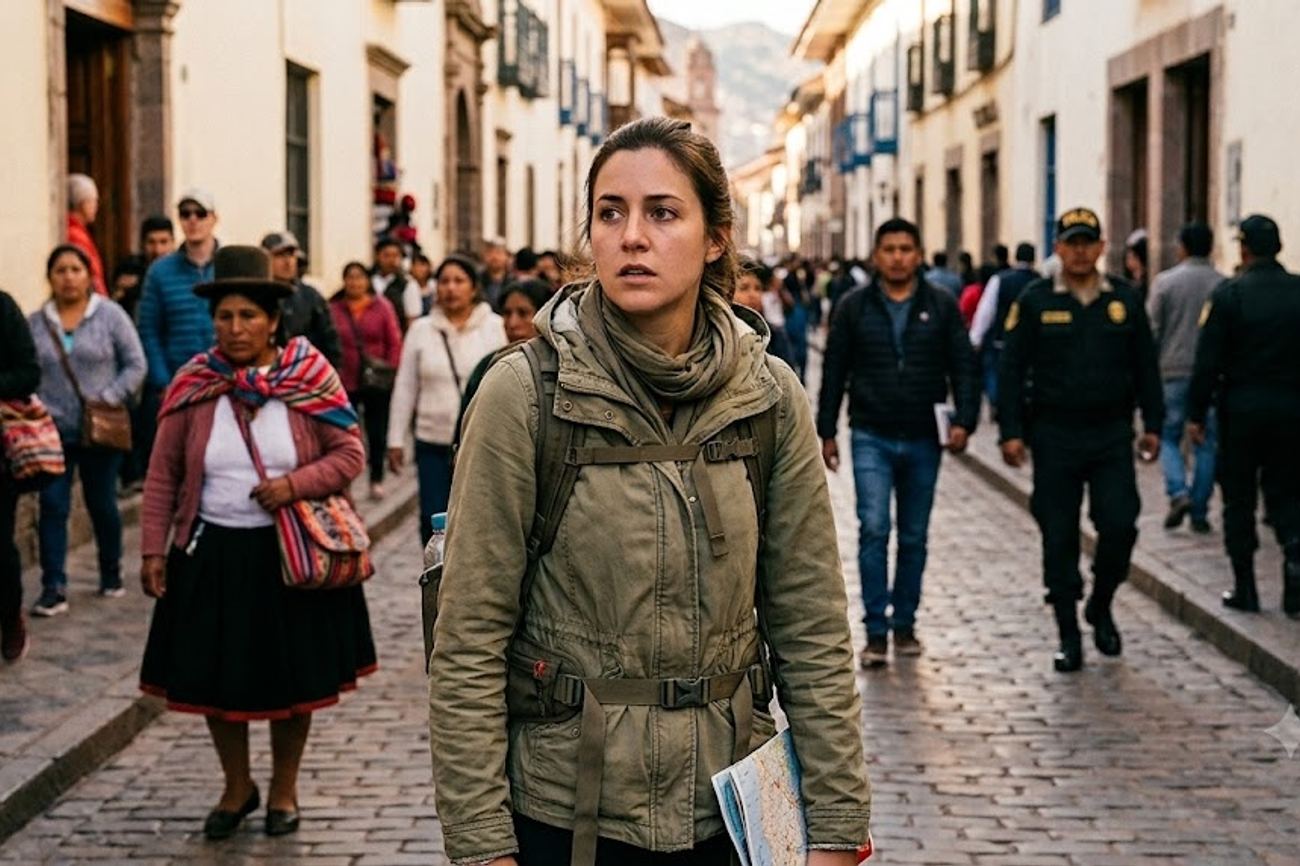
Image generated by AI
Security risk assessments for South American destinations have shifted from general caution to region-specific alerts in 2026, with Peru updating its national advisory on September 13, 2026, to reflect a fragmented security environment. While the nation remains a primary hub for adventure and culture tourism, the divergence between "safe" tourism corridors and high-risk zones has widened, signaling a new era of hyper-localized travel planning for the Andean region.
The Peru Security Matrix in Numbers
The 2026 travel advisory does not implement a nationwide ban but instead categorizes the country under a "caution" status. The data reveals a stark dichotomy in risk distribution. The primary tourism engines—Machu Picchu, Cusco, and the Sacred Valley—remain operational and are not classified among the highest-risk locations. However, the advisory explicitly flags the VRAEM region (comprising the Apurímac, Ene, and Mantaro river valleys) and specific border zones adjacent to Colombia as high-risk areas.
The threats identified in the September 13 update are multifaceted:
- Organized Crime: Increased prevalence of kidnapping and violent theft.
- Political Instability: Civil unrest and activism-related disruptions.
- Insurgency: Persistent terrorism-related concerns in remote highlands.
- Illegal Trade: Drug-related activity specifically concentrated in border regions and the VRAEM.
This shift indicates that the "Peru experience" is no longer a monolithic safety profile. According to data patterns observed by IATA, traveler confidence is increasingly tied to the granularity of safety data rather than broad country-level warnings. For Peru, the economic stakes are high, as the tourism sector relies heavily on the perceived stability of the Andes and the accessibility of Incan heritage sites.
Comparative Risk Analysis: Tourism Hubs vs. Restricted Zones
When analyzing the 2026 advisory against historical norms, we see a transition from "general urban caution" to "geographic exclusion zones." In previous cycles, warnings focused heavily on street crime in Lima; the 2026 data shifts the focus toward organized crime and terrorism in the periphery.
The following table delineates the current risk stratification for international visitors:
| Region/Zone | 2026 Risk Level | Primary Threat Drivers | Recommended Access Method |
|---|---|---|---|
| Cusco & Machu Picchu | Moderate/Caution | Petty theft, overcrowding | Licensed guides & registered operators |
| Sacred Valley | Moderate/Caution | Civil unrest (sporadic) | Organized excursions |
| VRAEM Region | High/Avoid | Terrorism, Drug trafficking | Not recommended for tourists |
| Colombia Border Zones | High/Avoid | Organized crime, Kidnapping | Extreme caution/Avoid |
| Urban Centers (Lima) | Moderate/Caution | Violent crime, Street robbery | Reliable transport, avoid isolated areas |
This regional divergence mirrors broader trends in South American tourism, where "bubble tourism"—the practice of moving between highly secured, curated sites—is becoming the standard for international visitors. Data from Statista suggests that travelers are now more likely to accept higher costs for "closed-loop" tours that minimize exposure to non-tourism corridors.
What This Means for Travelers
The 2026 advisory transforms the planning process from a simple itinerary build into a risk-mitigation exercise. The data suggests that independent, "off-the-beaten-path" travel in Peru now carries a significantly higher risk profile than it did in previous years.
Actionable Booking Advice:
- Shift to Licensed Operators: Because the advisory explicitly highlights risks for independent travelers, booking through licensed, registered guides is no longer a luxury but a security requirement. This is especially true for the Inca Trail and Andean trekking routes.
- Insurance Calibration: Standard travel insurance may not cover "high-risk" zones. Travelers must verify that their policies include coverage for civil unrest and emergency evacuation from remote Andean regions.
- Logistical Rigidity: Avoid spontaneous deviations from established tourism corridors. The gap between a "safe" zone and a "high-risk" zone (like the VRAEM) can be geographically narrow but security-wise vast.
- Digital Security: With the rise in smartphone and passport theft noted in the advisory, the use of encrypted digital backups and the avoidance of displaying high-value electronics in urban centers are essential.
Forward Projection: The Rise of Managed Adventure
Based on the current trajectory, Peru is moving toward a "Managed Adventure" model. We anticipate that the tourism industry will respond to these security challenges by creating more "secure corridors"—essentially sanitized routes that connect major airports to heritage sites with minimal external exposure.
As travelers increasingly rely on official guidance before booking, the competitiveness of Peruvian tour operators will likely be measured by their security protocols rather than their price points. We expect to see an increase in the integration of real-time security tracking for trekking groups and a higher reliance on government-vetted transport services. If the trend of civil unrest continues, the "caution" category may evolve into a tiered system where specific provinces are toggled between "open" and "restricted" based on weekly intelligence reports.
FAQ: Peru Travel Security 2026
Will travel prices increase due to these warnings? Likely yes. As the demand for licensed, secure operators grows and "independent" travel becomes riskier, the premium for managed, high-security tours will increase. Travelers should expect higher costs for vetted guides and secure transport.
Is it still safe to visit Machu Picchu? Yes. The September 13, 2026, advisory does not classify Machu Picchu or Cusco as high-risk. These areas remain the primary international attractions and continue to operate under standard caution levels.
Which regions should I absolutely avoid? The VRAEM region (Apurímac, Ene, and Mantaro river valleys) and specific border areas near Colombia are currently flagged as high-risk due to terrorism, kidnapping, and organized crime.
Should I cancel my 2026 trip to Peru? No, unless your itinerary includes high-risk zones. The advisory is a "caution" update, not a ban. By using licensed operators and sticking to established tourism corridors, the risks remain manageable.
The era of spontaneous Andean exploration is yielding to a data-driven approach to safety, where the map is now defined by security tiers rather than just landmarks.
#PeruSecurity2026 #VRAEMRiskAnalysis #AndeanTourismTrends #MachuPicchuSafety #SouthAmericaTravelData #ManagedAdventure2026
Related Travel Guides
Disclaimer
This article is for informational and educational purposes only. It does not constitute legal, financial, or professional advice. While we strive to provide accurate and up-to-date information, travel policies, regulations, and conditions change rapidly. Always verify information with official sources before making travel decisions. Nomad Lawyer makes no representations about the accuracy, reliability, completeness, or suitability of the information provided. Readers should consult qualified professionals for advice specific to their circumstances. The views expressed in this article are those of the author and do not necessarily reflect the views of Nomad Lawyer.
Kunal K Choudhary
Co-Founder & Contributor
A passionate traveller and tech enthusiast. Kunal contributes to the vision and growth of Nomad Lawyer, bringing fresh perspectives and driving the community forward.
Learn more about our team →