
Peru Expands High Andes Aviation Network: New Huaraz and Chinchero Gateways Transform Adventure Tourism 2026
Peru is decentralizing its tourism economy by investing in regional air facilities at Huaraz and Chinchero, reducing reliance on Lima and opening direct access to the High Andes and Sacred Valley.

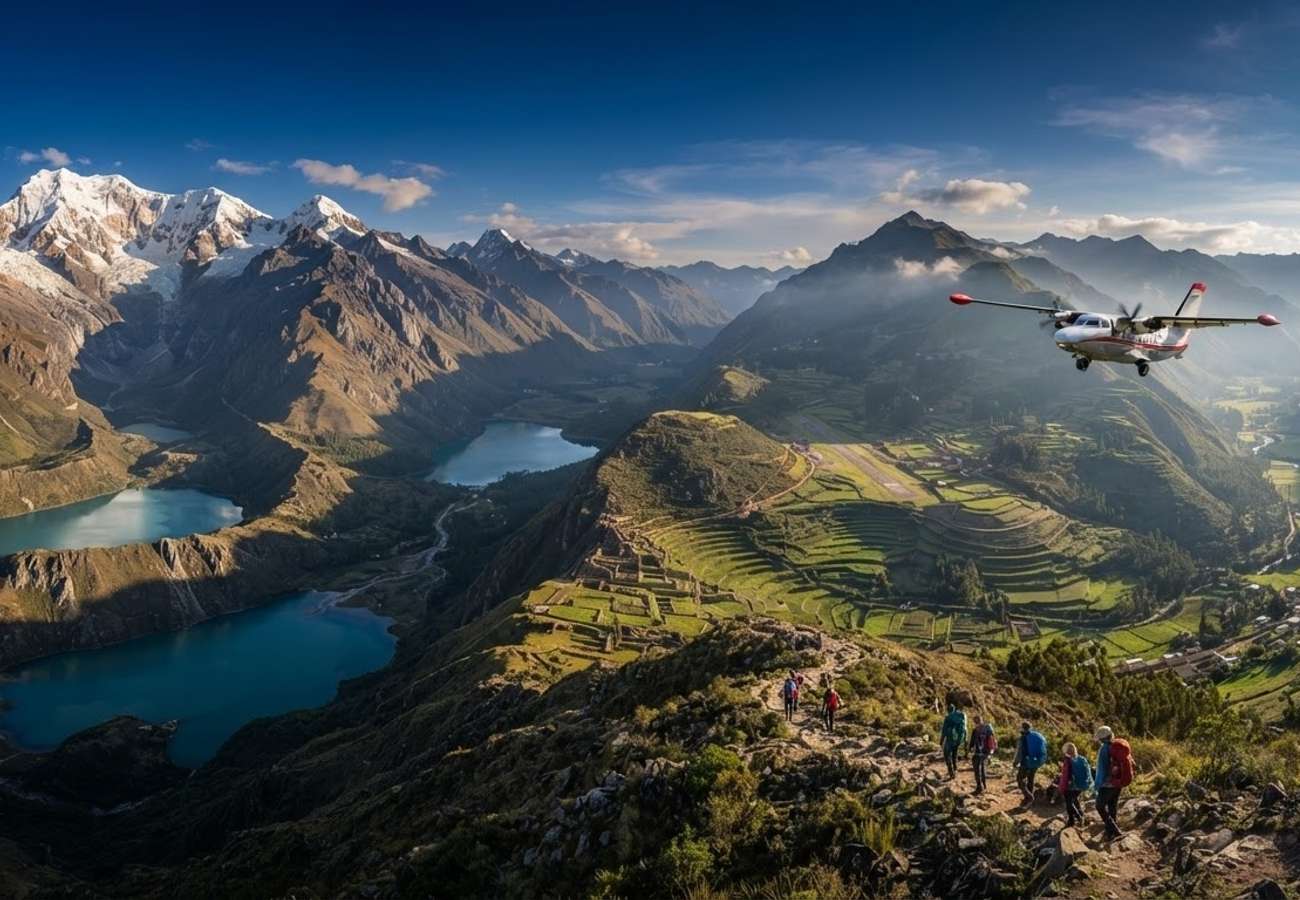
Image generated by AI
Peru is shifting its tourism architecture away from a Lima-centric model by activating commercial air facilities in Huaraz and Chinchero. This strategic decentralization allows international travelers to bypass lengthy overland transfers and enter the High Andes and Sacred Valley directly.
Regional Aviation Shift in the Peruvian Andes
Peru has entered a new phase of regional connectivity, prioritizing investments in secondary air facilities to reshape how domestic and foreign tourists access the highlands. Historically, the Jorge Chávez International Airport in Lima served as the sole primary gateway, forcing travelers into grueling overland journeys or multiple connections to reach trekking hubs.
The activation of commercial terminal facilities in Huaraz, located in the Callejón de Huaylas, and the long-term infrastructure development at Chinchero in the Cusco region, are designed to eliminate these bottlenecks. By establishing these independent gateways, Peru is transforming the logistics of eco-adventure tourism, making high-altitude destinations accessible for those with limited travel windows.
Strategic Gateway Specifications
The expansion focuses on two distinct geographic zones: the glacial landscapes of the north-central Andes and the cultural heartland of the south.
| Gateway | Primary Region | Tourism Focus | Infrastructure Impact |
|---|---|---|---|
| Huaraz | Callejón de Huaylas | High-altitude trekking, glacial lakes, mountain climbing | Replaces long Lima-Huaraz road transfers; enables direct Andean entry. |
| Chinchero | Sacred Valley / Cusco | Archaeological sites, Machu Picchu access, traditional communities | Redistributes passenger flow away from Cusco's primary airport; streamlines Sacred Valley access. |
Traveler Logistics Guide: Navigating the New Andes Corridors
From a ground-level perspective, the best way to navigate this new network is to treat Huaraz and Chinchero as primary entry points rather than secondary stops.
Optimizing Acclimatization One of the most significant advantages of direct flights to Huaraz is the ability to manage altitude sickness more effectively. Instead of a sudden ascent via road from Lima, travelers can coordinate their arrival with a structured acclimatization period. For those heading to the Callejón de Huaylas, we recommend scheduling 48 hours of low-intensity activity upon landing before attempting high-altitude treks.
Booking and Connections While Lima remains the international hub, travelers should now look for regional "hopper" flights. When booking, ensure that your transit time between Lima and Huaraz or Chinchero allows for at least three hours, as regional flight schedules in the Andes can be subject to weather-related volatility.
Digital Transit and Customs Travelers should ensure all digital entry permits and health declarations are completed via official Peruvian government portals prior to arrival. For those utilizing the Chinchero gateway to reach Machu Picchu, pre-booking train tickets and site entries remains mandatory, as the increased airport capacity will likely lead to higher foot traffic at archaeological sites.
Infrastructure Impact Assessment
The transition to a distributed tourism network has immediate economic and environmental implications. By diverting traffic away from the capital, Peru is spreading visitor spending directly into mountain communities. This increases demand for local guiding services, specialized equipment providers, and boutique mountain accommodations in regions that were previously hindered by their remoteness.
However, this increased accessibility necessitates a shift toward sustainable destination management. The High Andes are ecologically sensitive; the surge in arrivals at Huaraz and Chinchero requires a corresponding scale-up in waste management and trail maintenance to prevent the degradation of glacial environments and rural community structures.
The decentralization of Peruvian aviation marks the end of the 'Lima-only' era for adventure travelers.
Related Travel Guides
Disclaimer
This article is for informational and educational purposes only. It does not constitute legal, financial, or professional advice. While we strive to provide accurate and up-to-date information, travel policies, regulations, and conditions change rapidly. Always verify information with official sources before making travel decisions. Nomad Lawyer makes no representations about the accuracy, reliability, completeness, or suitability of the information provided. Readers should consult qualified professionals for advice specific to their circumstances. The views expressed in this article are those of the author and do not necessarily reflect the views of Nomad Lawyer.
Kunal K Choudhary
Co-Founder & Contributor
A passionate traveller and tech enthusiast. Kunal contributes to the vision and growth of Nomad Lawyer, bringing fresh perspectives and driving the community forward.
Learn more about our team →