
Peru and Brazil Join UNESCO 2026-2027 Culture x El Niño Campaign with $150,000 Emergency Fund to Protect Global Heritage
Peru and Brazil partner with UNESCO's Culture x El Niño campaign, deploying a $150,000 emergency fund to safeguard World Heritage sites from 2026-2027 climate threats.

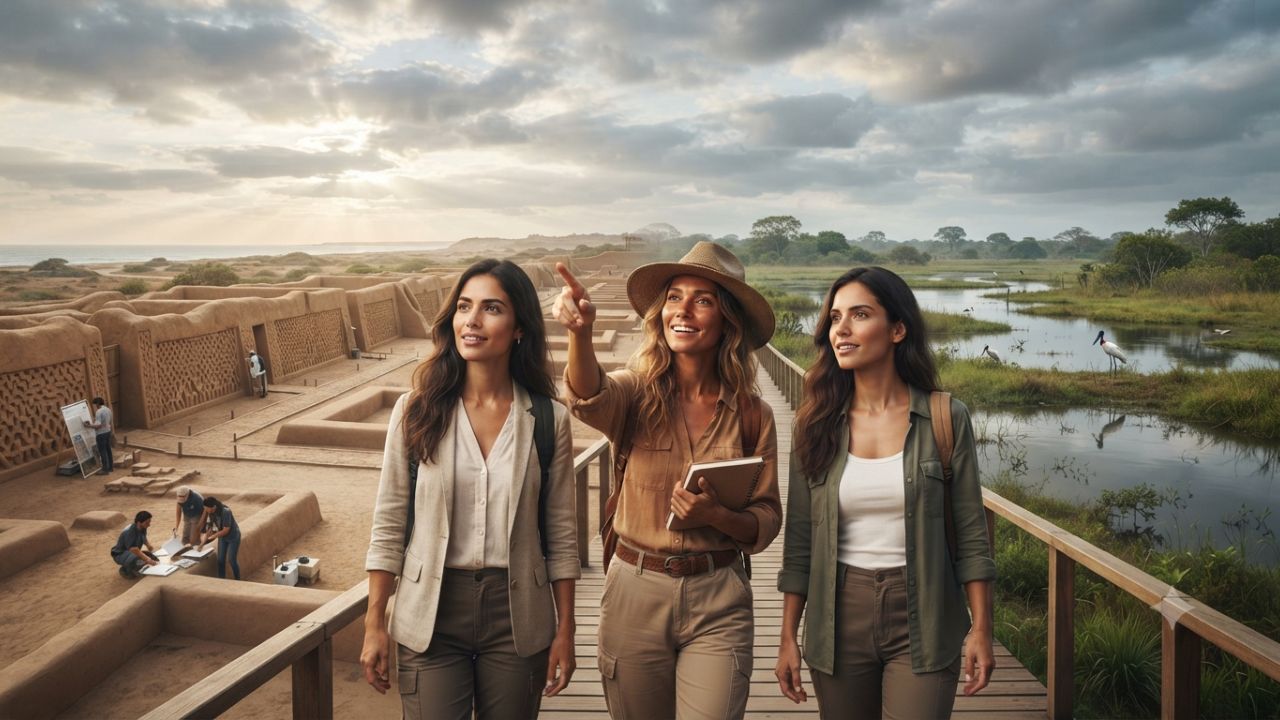
Image generated by AI
Peru and Brazil have partnered with UNESCO under the new Culture x El Niño campaign, deploying an initial allocation of US$150,000 from the Heritage Emergency Fund (HEF) to protect World Heritage sites, museum collections, and cultural traditions from climate threats expected during the 2026–2027 El Niño cycle. The international initiative focuses on anticipatory risk reduction, site-specific physical protection, and community disaster preparedness across vulnerable global destinations.
UNESCO Deploys Heritage Emergency Fund for 2026–2027 El Niño Risks
The UNESCO Culture x El Niño Initiative addresses severe weather anomalies triggered by El Niño Southern Oscillation (ENSO) events, which cause heavy rainfall, flash floods, extreme drought, and forest fires. To implement emergency preparedness, UNESCO is collaborating with specialized international bodies, including the United Nations Office for Disaster Risk Reduction (UNDRR), the International Centre for the Study of the Preservation and Restoration of Cultural Property (ICCROM), the International Council of Museums (ICOM), and the Smithsonian Institution.
The initial US$150,000 funding round supports rapid risk assessments, technical documentation, structural drainage improvements, and emergency collection evacuation plans. Rather than responding post-disaster, the framework prioritizes preventive interventions to protect physical structures and local tourism economies.
World Heritage Properties & Preparedness Matrix
| Country | UNESCO World Heritage Property / Site | Heritage Classification | ENSO Hazard & Preparedness Status |
|---|---|---|---|
| Peru | Chan Chan Archaeological Zone | Cultural | Earthen architecture vulnerable to heavy rainfall; active drainage & physical cover installations in La Libertad |
| Peru | Historic Centre of Trujillo | Cultural | Regional disaster-risk preparedness integration across northern coastal urban built heritage |
| Peru | Historic Sanctuary of Machu Picchu | Mixed | Included in Peru's national 13 World Heritage risk-management methodology for landslide and slope stability |
| Peru | Lines and Geoglyphs of Nasca and Palpa | Cultural | Desert geoglyphs monitored under national flash-flood and erosion contingency framework |
| Brazil | Pantanal Conservation Area | Natural | HEF funding deployed for fire-resilience measures and community firefighting brigades in Pantanal Matogrossense |
| Brazil | Cerrado Protected Areas (Chapada dos Veadeiros & Emas) | Natural | Volunteer training and wildfire barrier construction in response to severe drought risk |
| São Tomé & Príncipe | Island Historic Built Heritage | Cultural / Local | Capacity building for coastal flooding and emergency evacuation procedures |
| Sudan | Sudan National Museum | Museum / Collections | Emergency stabilization, climate monitoring, and water damage defense for artifact collections |
Country-Specific Emergency Actions: Peru, Brazil, São Tomé, and Sudan
Peru: Safeguarding Earthen Architecture in Northern Regions
In northern Peru, extreme rainfall linked to El Niño threatens fragile mud-brick structures in the Piura, Lambayeque, and La Libertad regions. UNESCO is supporting local conservation teams to reinforce drainage channels, install protective roofing over vulnerable friezes at Chan Chan, and train site managers across Peru's 13 recognized World Heritage properties.
Brazil: Wildfire Prevention in the Pantanal and Cerrado
Severe drought conditions intensified by El Niño increase wildfire hazards across Brazil's wetland ecosystems. HEF funds have financed specialized equipment and community firefighting brigades in the Pantanal Matogrossense National Park, as well as Emas and Chapada dos Veadeiros National Parks.
Island and Museum Interventions: São Tomé & Sudan
In São Tomé and Príncipe, the initiative builds emergency management protocols for island communities facing rising sea levels and storm surges. In Sudan, focus centers on safeguarding museum collections—such as those at the Sudan National Museum—against extreme humidity, water infiltration, and infrastructure breakdown.
Traveler Logistics Guide: Navigating Climate-Sensitive Destinations
Travelers planning visits to climate-impacted heritage sites can maintain safe itineraries by following practical logistics guidelines.
Seasonal Access & Weather Monitoring
- Northern Peru Coastal Sites (Chan Chan, Trujillo): Check regional weather advisories between December and April, when ENSO-related rainfall peaks. Access to earthen archaeological sites may be temporarily restricted during heavy rain to prevent structural degradation.
- Machu Picchu & Inca Trail: The Inca Trail undergoes annual maintenance every February, but extreme rain can trigger temporary rail or trail closures. Travelers should maintain flexible booking policies and verify route status via official park channels.
Responsible Travel & Site Rules
- Adhering to Temporary Barriers: Respect protective covers, temporary walkways, and restricted zones installed by conservation teams at fragile sites like Chan Chan or Chavín de Huántar.
- Wildfire Season Precautions in Brazil: When visiting the Pantanal or Cerrado between July and October, register with local park authorities and strictly follow fire safety prohibitions in protected reserves.
Strategic Logistics Analysis and 2026 Traveler Insights
The 2026–2027 El Niño cycle introduces significant volatility into the travel logistics of the Andean and Amazonian regions. For high-net-worth travelers and digital nomads, navigating these destinations requires a shift from traditional seasonal planning to a risk-adjusted itinerary.
Regional Impact and Timing
Travelers should anticipate atypical weather patterns. In Peru, the northern coast (Trujillo and Chan Chan) may experience uncharacteristic heavy rainfall, potentially leading to temporary site closures for structural preservation. Conversely, the highlands and Machu Picchu may face increased landslide risks during the shoulder seasons. To mitigate these risks, the optimal window for visiting the Peruvian highlands is shifted toward the traditional dry season (May to September), though travelers should maintain a 48-hour "buffer" in their schedules to account for potential transit delays caused by slope instability.
In Brazil, the Pantanal and Amazonian basins may face extreme fluctuations between drought and flash flooding. This directly impacts river cruise availability and lodge accessibility. Travelers are advised to book "flexible-date" packages and prioritize lodges with established emergency evacuation protocols and sustainable drainage infrastructure.
Booking and Transit Considerations
Given the UNESCO-led emergency interventions, certain heritage sites may have restricted access zones for physical reinforcement. It is critical to utilize certified local operators who have real-time access to the Heritage Emergency Fund (HEF) site status updates.
Transit Alternatives:
- Air over Road: In Peru, prioritize domestic flights (Lima to Cusco/Arequipa) over long-haul bus travel during peak ENSO activity to avoid road closures due to mudslides.
- Waterway Flexibility: In Brazil, verify the draft depth of river vessels before booking, as extreme drought can render certain tributaries impassable for larger luxury cruisers.
Expert Advice for the Conscious Traveler
The "Culture x El Niño" campaign highlights the fragility of these sites. Visitors should practice "low-impact tourism," adhering strictly to designated paths to avoid exacerbating soil erosion in vulnerable zones like Nasca or Machu Picchu. Travelers are encouraged to support local community-led conservation efforts, as the UNESCO framework emphasizes community disaster preparedness as a primary pillar of heritage protection.
Frequently Asked Questions
What is the initial funding allocated for the UNESCO Culture x El Niño campaign?
UNESCO has allocated an initial US$150,000 from its Heritage Emergency Fund (HEF) for Phase 1 preparedness activities.
Which Peruvian World Heritage site is most vulnerable to El Niño rainfall?
The Chan Chan Archaeological Zone in La Libertad is particularly vulnerable due to its unbaked earthen architecture.
How is Brazil utilizing UNESCO emergency support under this campaign?
Brazil is utilizing support to train community firefighting brigades and implement fire-resilience measures in the Pantanal and Cerrado protected areas.
Related Travel Guides
Bolivia Amazon Ecotourism Corridors Municipal Protected Areas
Bolivia Salar de Uyuni Salt Flats Travel Guide
10 Best Climate Resilient Travel Destinations in South America, According to Reddit
Disclaimer
This article is for informational and educational purposes only. It does not constitute legal, financial, or professional advice. While we strive to provide accurate and up-to-date information, travel policies, regulations, and conditions change rapidly. Always verify information with official sources before making travel decisions. Nomad Lawyer makes no representations about the accuracy, reliability, completeness, or suitability of the information provided. Readers should consult qualified professionals for advice specific to their circumstances. The views expressed in this article are those of the author and do not necessarily reflect the views of Nomad Lawyer.
Kunal K Choudhary
Co-Founder & Contributor
A passionate traveller and tech enthusiast. Kunal contributes to the vision and growth of Nomad Lawyer, bringing fresh perspectives and driving the community forward.
Learn more about our team →