
Secret Spots Washington DC Tourists Often Miss in 2026
Discover nine overlooked Washington DC attractions beyond the crowded monuments and museums. These secret spots washington hidden gems offer authentic experiences that most tourists often miss during their 2026 visits.

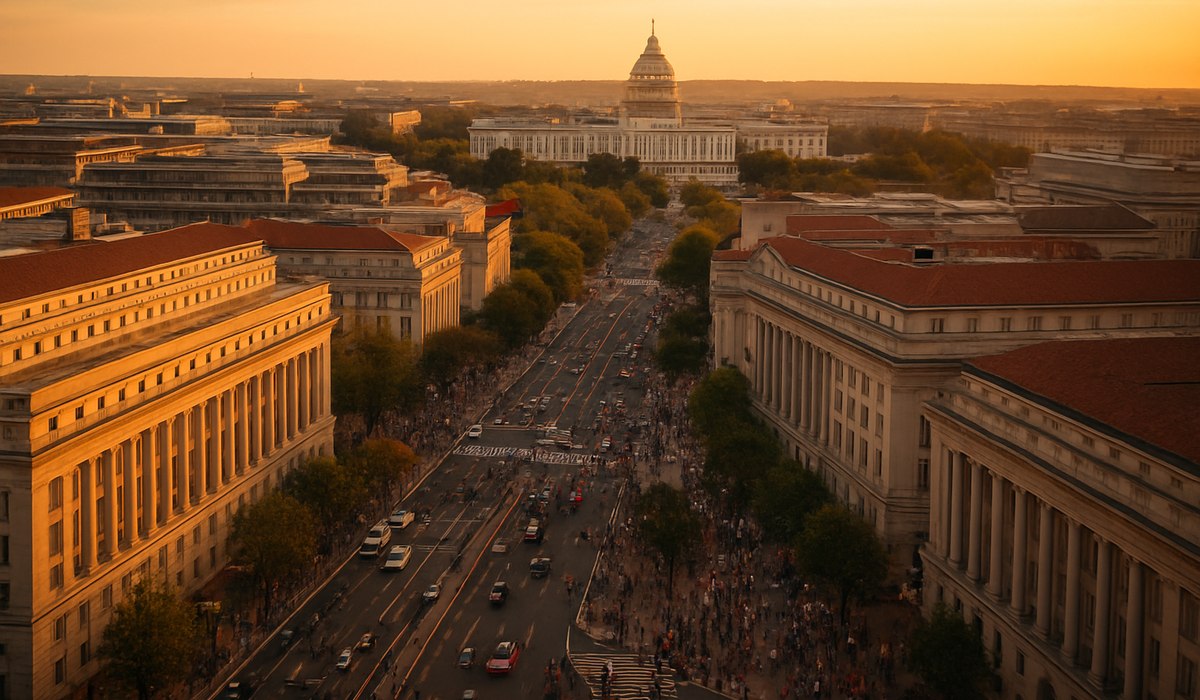
Image generated by AI
Beyond the Iconic Landmarks: Nine Authentic Washington DC Experiences
Washington DC attracts millions annually, yet most visitors follow identical paths through the National Mall and major Smithsonian institutions. What travelers often overlook are nine exceptional neighborhoods, cultural spaces, and public areas that capture the capital's true character. These secret spots washington attractions bypass congested tourist zones entirely, delivering genuine local flavor and discovery. From artisanal dining districts to neighborhood parks with panoramic city views, these hidden gems reveal a Washington DC rarely featured in guidebooks. Whether you're a first-time visitor seeking authenticity or a returning traveler hunting fresh experiences, these underrated destinations deserve your attention during your 2026 itinerary.
Hidden Neighborhoods Worth Exploring
The neighborhoods surrounding central Washington DC pulse with creative energy that tourists often miss. H Street NE has undergone remarkable transformation, evolving into a thriving corridor of independent galleries, vintage shops, and locally-owned restaurants. Walking these blocks reveals street art installations and neighborhood-specific boutiques impossible to find elsewhere in the capital.
Bloomingdale sits just northeast of downtown yet remains largely unknown to out-of-towners. This historic African American community features restored row houses, independent coffee roasters, and family-run establishments serving generations. The neighborhood's cultural significance and welcoming atmosphere create an authentically immersive DC experience.
Kalorama, perched in the northwest hills, offers tree-lined streets, embassy row views, and boutique shopping without mainstream tourist infrastructure. Rock Creek Park's northern trails provide immediate access from the neighborhood, creating a nature-escape feeling minutes from downtown.
Exploring these areas independently, without tour groups or crowded attractions, reveals how Washingtonians actually live and spend leisure time. Each neighborhood maintains distinct personality while contributing to the city's broader cultural tapestry.
Overlooked Museums and Cultural Spaces
Beyond the sprawling Smithsonian network lie exceptional museums that welcome visitors with shorter lines and more intimate exhibitions. The Textile Museum showcases extraordinary fiber arts collections rarely seen elsewhere, offering workshops and rotating exhibits that attract serious art enthusiasts rather than casual tourists.
The Phillips Collection houses an impressive modern art assemblage within an intimate mansion setting. Its collection rivals major metropolitan museums while maintaining a peaceful, contemplative atmosphere absent from larger institutions. Many visitors often overlook this gem despite its acclaimed impressionist holdings and contemporary pieces.
The Hirshhorn Museum's Sculpture Garden extends free access to a rotating collection of monumental artworks across manicured grounds. Fewer crowds navigate this outdoor gallery compared to interior museum spaces, allowing genuine appreciation of individual pieces without shoulder-to-shoulder crowds.
The National Building Museum explores architecture and design through interactive exhibitions appealing to design professionals and curious travelers alike. Its soaring Great Hall and educational programming offer cultural enrichment that transcends standard sightseeing.
These institutions deserve dedicated time, yet tourist maps rarely emphasize their significance. Each provides meaningful artistic and educational engagement without the overwhelming crowds that characterize flagship museums.
Unique Dining and Entertainment Districts
Washington DC's culinary landscape extends far beyond the touristy waterfront establishments frequenting visitor recommendations. U Street Corridor evolved from historic jazz roots into a contemporary dining destination featuring Ethiopian, Korean, Italian, and fusion restaurants operated by passionate local chefs.
Navy Yard-Ballpark neighborhood has emerged as an entertainment epicenter featuring craft breweries, seafood restaurants, and performance venues. The Nationals ballpark anchors the district, but surrounding blocks offer neighborhood bars and eateries tourists often miss while rushing to stadium events.
Barracks Row on Capitol Hill preserves 19th-century character while hosting contemporary bars, coffee shops, and restaurants frequented by Congressional staff and neighborhood residents. The area's historic architecture and walkability create European-feeling streets rarely mentioned in mainstream travel coverage.
The 14th Street corridor throughout the city pulses with rooftop bars, experimental restaurants, and live music venues. Each block maintains distinct character while contributing to DC's reputation as an emerging culinary capital competing with established foodie destinations.
These entertainment districts showcase where locals actually spend evenings and weekends, offering authentic cultural immersion impossible in tourist-focused establishments.
Lesser-Known Parks and Public Spaces
Washington DC boasts parks beyond Rock Creek that deliver exceptional outdoor experiences. Kenilworth Aquatic Gardens features wetland pathways, lotus blooms, and native bird populations within city limits. This peaceful sanctuary rivals botanical gardens while maintaining minimal visitor traffic throughout most seasons.
Meridian Hill Park offers commanding views of the city, terraced gardens, and cultural programming featuring live music and community gatherings. The park's amphitheater hosts free performances, yet remains quieter than downtown attractions despite impressive amenities.
Montrose Park provides wooded trails, creek access, and garden spaces within Georgetown's boundaries. The park's elevation and dense vegetation create woodland sanctuary atmosphere distinct from manicured downtown parks.
The Smithsonian Castle Grounds, adjacent to the main museum building, feature landscaped gardens and outdoor spaces rarely acknowledged by passing tourists. These serene areas provide respite from interior museum crowds while maintaining historical significance.
These parks deliver nature access, cultural programming, and recreational opportunities that make Washington DC livable year-round. Each provides breathing room from crowded attractions while maintaining authentic connection to the city's natural and cultural environment.
Washington DC Attractions: Quick Reference Guide
| Attraction | Location | Best For | Typical Crowds | Hours |
|---|---|---|---|---|
| H Street NE Corridor | Northeast DC | Independent shopping, galleries | Low to moderate | Varies by business |
| Textile Museum | George Washington University area | Fiber arts, design appreciation | Low | 10 AM – 5 PM |
| Kenilworth Aquatic Gardens | Northeast DC | Nature walks, photography | Low to moderate | 7 AM – 4 PM |
| Bloomingdale Neighborhood | Northeast DC | Local dining, cultural heritage | Low | Open 24/7 |
| Phillips Collection | Northwest DC | Modern art, impressionist works | Low to moderate | 10 AM – 5 PM |
| Navy Yard-Ballpark | Southeast DC | Dining, entertainment, craft beer | Moderate to high | Varies by venue |
| Meridian Hill Park | Northwest DC | City views, cultural events | Moderate | Sunrise to sunset |
| Barracks Row | Capitol Hill | Historic dining, neighborhood feel | Moderate | Varies by business |
| Montrose Park | Georgetown | Trails, natural beauty | Low to moderate | Sunrise to sunset |
What This Means for Travelers
These discoveries fundamentally reshape how visitors experience Washington DC during 2026 trips:
-
Extend Your Itinerary Beyond the National Mall – Allocate 40-50% of your time to these neighborhoods and attractions rather than concentrating exclusively on downtown monuments and crowded museums.
-
Use Neighborhood Walking Tours – Book independent walking tours led by neighborhood residents rather than commercial tour operators. Local guides provide context and recommendations tourists often miss entirely.
-
Plan Meals at Neighborhood Restaurants – Research dining options in H Street, U Street, and Barracks Row before arrival. Reservations guarantee access to popular establishments while avoiding tourist-trap chains near major attractions.
-
Visit Museums on Weekday Afternoons – The Textile Museum and Phillips Collection experience minimal crowds during weekday afternoon hours, maximizing artwork enjoyment without crowds.
-
Incorporate Park Time Into Your Schedule – Dedicate morning or evening hours to neighborhood parks and natural spaces. This rhythm mimics how locals balance cultural activities with outdoor recreation.
-
Use Public Transportation Strategically – DC's Metro system efficiently connects these neighborhoods. Purchasing multi-day passes enables extensive exploration without car rental hassles or parking complications.
Frequently Asked Questions
What are the best secret spots washington for photography? Meridian Hill Park offers commanding city views, particularly during golden hour sunset photography.
Disclaimer
This article is for informational and educational purposes only. It does not constitute legal, financial, or professional advice. While we strive to provide accurate and up-to-date information, travel policies, regulations, and conditions change rapidly. Always verify information with official sources before making travel decisions. Nomad Lawyer makes no representations about the accuracy, reliability, completeness, or suitability of the information provided. Readers should consult qualified professionals for advice specific to their circumstances. The views expressed in this article are those of the author and do not necessarily reflect the views of Nomad Lawyer.
Kunal K Choudhary
Co-Founder & Contributor
A passionate traveller and tech enthusiast. Kunal contributes to the vision and growth of Nomad Lawyer, bringing fresh perspectives and driving the community forward.
Learn more about our team →