
Papua New Guinea’s 2027 Kokoda Trekking Season Faces El Niño Drought and Water Security Risks
An intensifying El Niño drought threatens drinking water supplies along Papua New Guinea's 96 km Kokoda Track for the 2027 trekking season.

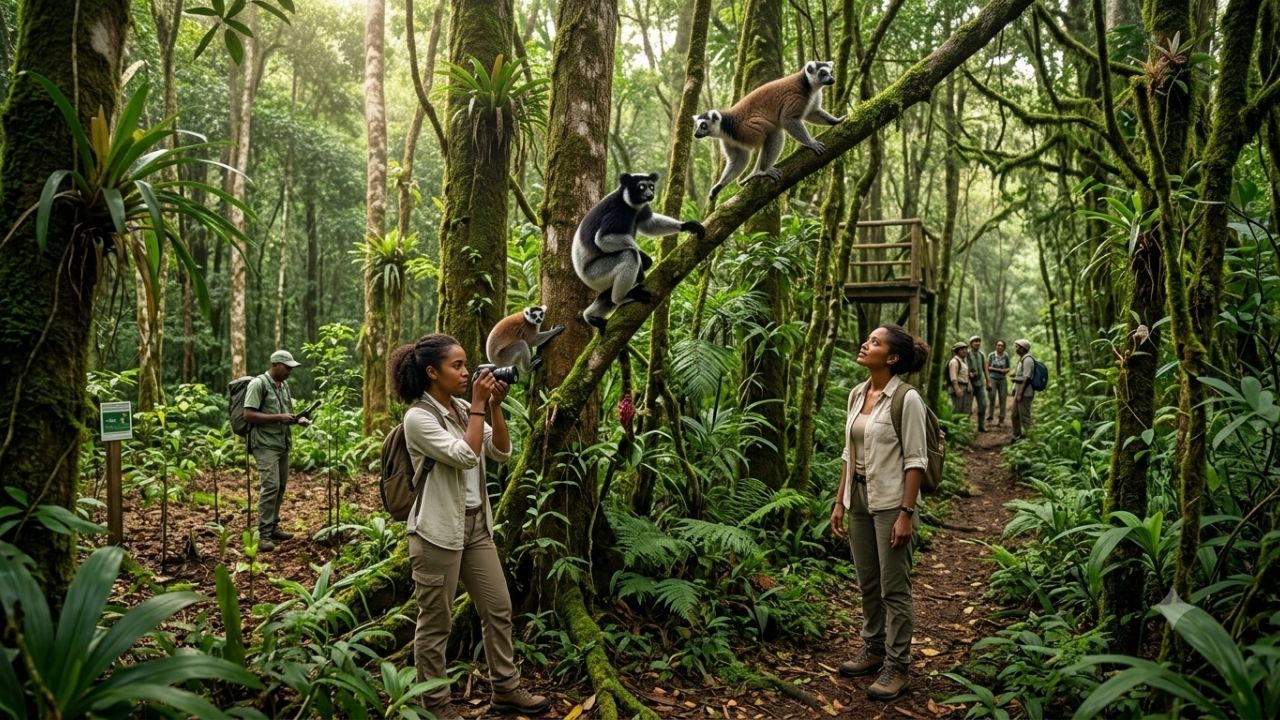
Image generated by AI
Papua New Guinea’s upcoming 2027 Kokoda Track trekking season faces severe water security risks due to an intensifying El Niño drought.
[PORT MORESBY, Papua New Guinea] — Official climate advisories confirm that Papua New Guinea is entering an intense El Niño drought cycle. An August 20, 2026 travel advisory update issued by Australian authorities warned of worsening drought conditions intensifying into early 2027. While lower rainfall dries out mud on the 96-kilometer trail across the Owen Stanley Range, reduced stream flows and depleted village water tanks create operational challenges for drinking water, hygiene, and community support along the historical route.
The El Niño Paradox: Dry Trails Versus Severe Water Scarcity
The dry season between May and October (alongside Anzac Day in April) represents the traditional window for crossing the Kokoda Track.
Lower rainfall reduces mud and makes river crossings manageable. However, the projected 2027 El Niño threatens to deplete natural streams, springs, and village rainwater collection tanks along the Owen Stanley Range.
Kokoda Climate Baseline & Advisory Parameters:
├── Advisory Update Date: August 20, 2026 (Official Smartraveller travel advisory)
├── Climate Event: Severe El Niño drought intensifying into early 2027
├── Operational Contradiction: Firmer trail ground offset by critical drinking water shortages
└── Primary Affected Sector: 96 km Kokoda Track mountain corridor & local customary villages
| Advisory & Development Parameter | Official Government / Survey Metric | Tourism & Trekking Consequence |
|---|---|---|
| El Niño Drought Warning | Worsening across several PNG provinces | Reduced natural stream & campsite water flows |
| Drought Peak Horizon | Intensifying into early 2027 | High uncertainty for advance 2027 bookings |
| Port Moresby Utility Impact | Hydropower load shedding active | Hotel electricity & water supply cuts |
| Water Infrastructure Status | Water PNG pipeline repaired mid-Aug 2026 | Capital gateway stays face service pressure |
| Trail Elevation & Distance | 96 km route; 2,190m max (Mt Bellamy) | 6–12 day treks require 6–10 hrs daily fluids |
| 2025 PNG Arrival Baseline | 103,881 international visitors (+3.6%) | Market recovery faces climate resilience test |
| Survey Sample Baseline | 4,827 valid survey responses | 41% first-time visitors; $80k–$99k avg income |
Trail Physicality and Logistics: 96 Kilometers Across the Owen Stanley Range
Extending 96 kilometers from Owers' Corner in Central Province to Kokoda in Oro Province, the trail climbs to 2,190 meters near Mount Bellamy.
Trek itineraries span six to twelve days, requiring six to ten hours of daily physical exertion in high humidity.
Because no continuous roads parallel the trail, medical evacuations and food resupply rely on air links and local porters. Reduced stream volume concentrates sediment and organic matter, making purification equipment, backup bladders, and hydration planning essential.
Kokoda Trail Technical & Physical Specs:
├── Route Distance: 96 Kilometers (Owers' Corner ➔ Mount Bellamy ➔ Kokoda)
├── Peak Elevation: Approximately 2,190 meters near Mount Bellamy
├── Expedition Duration: 6 to 12 days (6 to 10 hours daily physical effort)
└── Historical Landmarks: 1942 Kokoda Campaign battle sites (Isurava Memorial)
Port Moresby Gateway Vulnerabilities: Hydropower Load Shedding and Municipal Repairs
Most trekking expeditions assemble in Port Moresby before flying or driving to trailheads.
The national capital is experiencing utility strain from the drought:
- Electricity Grid: Reduced reservoir levels at hydroelectric dams have forced power authorities to implement rolling load shedding across Port Moresby.
- Water Infrastructure: Water PNG completed emergency repairs on a primary municipal supply pipeline in mid-August 2026, though hotel water pressure remains vulnerable to supply cuts.
Port Moresby Infrastructure Pressure:
├── Power Network: Hydropower reservoir depletion driving capital-wide load shedding
└── Municipal Water: Mid-August 2026 Water PNG main pipeline repairs under drought pressure
Tourism Economics: 2025 Arrival Data and Australia Market Reliance
Data from the PNG Tourism Promotion Authority’s 2025 International Visitor Survey shows steady market recovery:
- International Visitor Volume: 103,881 overseas arrivals in 2025, representing a 3.6% increase over 2024 (100,223 visitors).
- Demographic Profile: 41% were first-time visitors, with reported average household incomes between US$80,000 and US$99,999.
- Market Source: Australian travelers represent the primary client base for Kokoda trekking due to the historical legacy of the 1942 Kokoda Campaign and the Isurava Memorial.
PNG Tourism Promotion Authority 2025 Metrics:
├── Total Overseas Arrivals: 103,881 visitors in 2025 (up 3.6% YoY from 100,223 in 2024)
├── Survey Sample Size: 4,827 valid responses from 5,139 collected questionnaires
└── Demographics: 41% first-time visitors; US$80,000–US$99,999 average household income
Frequently Asked Questions (FAQ)
Q1: Has the Kokoda Track been officially closed due to the El Niño drought?
A: No official source confirms a track closure. Australian travel advisories warn of worsening drought and short-notice community access changes, but the trail remains open under licensed operator management.
Q2: When is the traditional Kokoda trekking season?
A: The main dry season runs from May to October, with additional expeditions departing around Anzac Day in April.
Q3: What water safety precautions should 2027 trekkers take?
A: Trekkers should confirm that licensed operators carry advanced water purification systems, maintain backup water bladders, and establish contingency plans for dry campsites.
Why This Matters for Trekkers, Tour Operators, and Community Leaders
Analyzing the 2027 Kokoda drought risk provides key operational insights:
- For International Trekkers: Verifying operator water purification protocols and emergency evacuation plans ensures safety during dry-season treks.
- For Expedition Operators: Adjusting daily group sizes and carrying extra water bladders prevents over-taxing village supply tanks.
- For Local Village Leaders: Coordinating water sharing agreements protects customary community drinking supplies while hosting trekking groups.
Related Travel Guides
Disclaimer
This article is for informational and educational purposes only. It does not constitute legal, financial, or professional advice. While we strive to provide accurate and up-to-date information, travel policies, regulations, and conditions change rapidly. Always verify information with official sources before making travel decisions. Nomad Lawyer makes no representations about the accuracy, reliability, completeness, or suitability of the information provided. Readers should consult qualified professionals for advice specific to their circumstances. The views expressed in this article are those of the author and do not necessarily reflect the views of Nomad Lawyer.
Raushan Kumar
Founder & Lead Developer
Full-stack developer with 11+ years of experience and a passionate traveller. Raushan built Nomad Lawyer from the ground up with a vision to create the best travel and law experience on the web.
Learn more about our team →