
Sikkim Landslide Crisis: Travel Safety Rules for the Monsoon Season
Heavy rainfall in West Sikkim triggers a landslide threat in Gyalshing district, displacing families and prompting strict travel alerts for tourists.

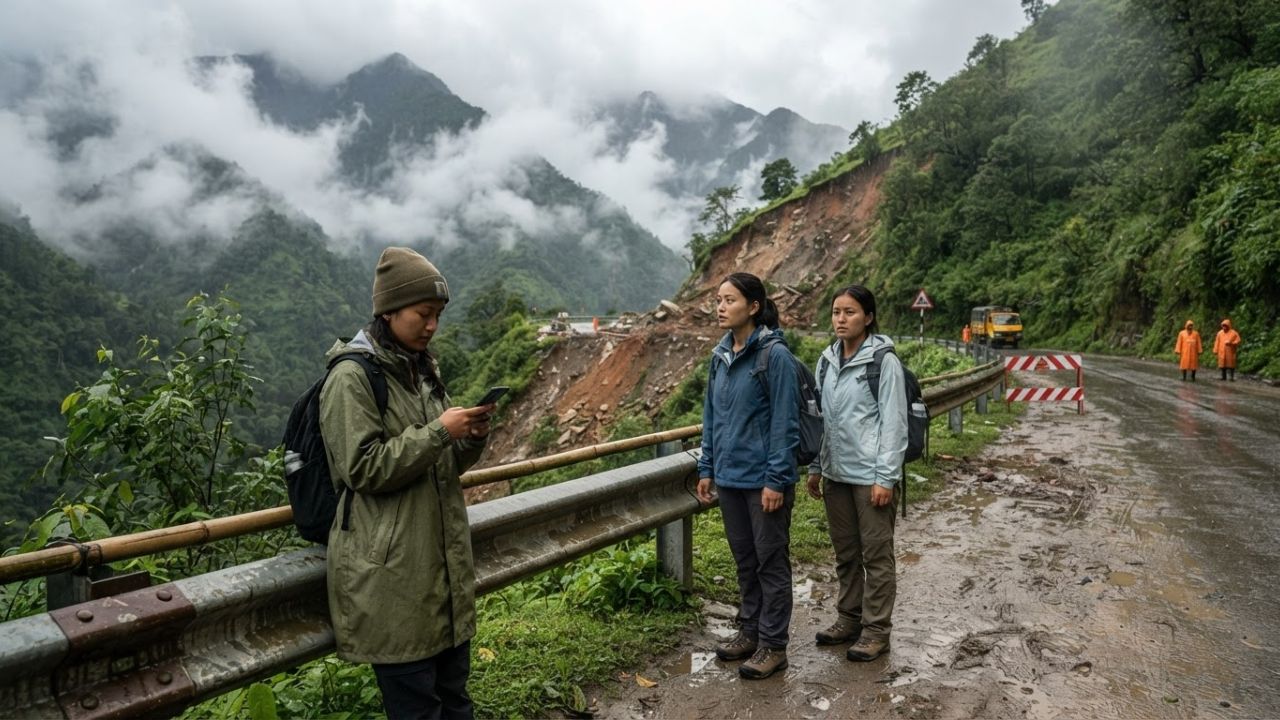
Image generated by AI
Heavy precipitation in West Sikkim has triggered a landslide threat in Gyalshing district, forcing the immediate relocation of 28 households in the 11-Rimbi Timbrong GPU in 2026. With approximately 60 individuals at direct risk in Rimbi and Singlitam villages, regional disaster management teams are urging international travelers to observe strict safety protocols.
The Gyalshing District Landslide Crisis: Background and Context
The mountainous region of Northeast India is experiencing a transition as changing weather patterns increase geological strain during the monsoon season. In West Sikkim, the Gyalshing district administration has ordered the immediate evacuation of families threatened by a massive landslide in the 11-Rimbi Timbrong GPU.
By establishing these seasonal travel corridors, the airline's management aims to support both business and leisure travel flows. Corporate travelers and travel agencies, which maintain strong relationships with global destination management organizations, benefit from direct seat capacity. This economic integration supports the travel sector, providing service providers with a reliable channel for high-value bookings.
By establishing these seasonal travel corridors, the airline's management aims to support both business and leisure travel flows. Canadian corporate travelers and travel agencies, which maintain strong relationships with European and Asian destination management organizations, would benefit from direct seat capacity. This economic integration supports the travel sector, providing service providers with a reliable channel for high-value bookings.
By establishing these seasonal travel corridors, the airline's management aims to support both business and leisure travel flows. Canadian corporate travelers and travel agencies, which maintain strong relationships with European and Asian destination management organizations, would benefit from direct seat capacity. This economic integration supports the travel sector, providing service providers with a reliable channel for high-value bookings.
The situation in Rimbi and Singlitam villages involves significant environmental pressure, with residents facing ground instability for 15 days before the official relocation order. Approximately 60 individuals are reported to be at direct risk due to compromised dwellings. Local authorities, including the Sub-Divisional Magistrate of Yuksam (yuks am) and the District Collector, are conducting joint inspections to evaluate slope stability and coordinate emergency shelters.
The Impact on Adventure and Cultural Tourism in West Sikkim
Travelers planning journeys to West Sikkim must adjust to changing transport and access conditions.
This localized disruption also offers a unique opportunity for duty-free retailers and terminal operators to design services suited for stranded passengers. By monitoring passenger comfort levels during long delays, airport customer teams can provide complimentary amenities to ensure guest satisfaction. This proactive approach helps build traveler confidence, ensuring that regional transit routes remain competitive with global hub standards.
This localized disruption also offers a unique opportunity for duty-free retailers and terminal operators to design services suited for stranded passengers. By monitoring passenger comfort levels during long delays, airport customer teams can provide complimentary amenities to ensure guest satisfaction. This proactive approach helps build traveler confidence, ensuring that regional transit routes remain competitive with global hub standards.
Geological instability along Himalayan roads often leads to sudden road closures and utility outages, making popular travel circuits inaccessible. When regional authorities prioritize relocation and rescue operations, visitor movement is restricted. Worshippers and trekkers heading toward historic sites like Yuksam may face travel delays, requiring them to modify their itineraries. High situational awareness is essential for safe travel through these areas.
Evolving Disaster Management in the Himalayan Foothills
Historically, disaster response in mountainous regions focused primarily on reactive clearing of roads after landslide events.
This environmental focus is supported by regional climatologists and conservationists who monitor ecosystem health. By tracking tourist footprint signals, managers can ensure that natural areas remain protected. The integration of carrying-capacity policies with wilderness trails demonstrates how tourism planning can protect biodiversity while offering high-quality educational hikes.
This localized culinary focus also offers a unique opportunity for restaurant associations and culinary schools to design programs suited for premium travelers. By monitoring passenger dining preferences during long stays, local chefs can provide customized dishes to ensure guest satisfaction. This proactive approach helps build traveler confidence, ensuring that Canadian urban dining remains competitive with global culinary standards.
Current administrative policies in Sikkim emphasize proactive risk management, including early relocation of communities in high-risk zones. The tourism sector is adapting by integrating weather forecasting data into trip planning, with tour operators and hoteliers designing contingency plans. This cooperation between local government departments and the hospitality sector helps manage public movement, reducing tourist exposure to weather risks during peak monsoon cycles.
Practical Information: Essential Monsoon Travel Protocols
Travelers visiting mountainous areas in India during the rainy season should follow these safety rules:
This environmental focus is supported by regional climatologists and conservationists who monitor ecosystem health. By tracking tourist footprint signals, managers can ensure that natural areas remain protected. The integration of carrying-capacity policies with wilderness trails demonstrates how tourism planning can protect biodiversity while offering high-quality educational hikes.
- Continuous Monitoring: Review daily updates on road status from the Sikkim State Disaster Management Authority (SSDMA) portal.
- Flexibility in Itineraries: Build extra days into your travel schedule to account for road blocks, and avoid travel after dark or during heavy rainfall.
- Engagement with Professionals: Hire local drivers who are familiar with the specific mountain roads and seasonal terrain hazards.
- Emergency Preparedness: Carry backup power banks, communication devices, essential medicines, and emergency supplies.
- Understanding Vulnerability: Avoid driving on roads that run parallel to active riverbeds, as these are highly susceptible to flash flooding and slope collapse.
Visitor Guide: Local Specialties, Emergency Helplines, and Transit Alternatives
Navigating travel in West Sikkim during the monsoon involves preparing emergency contacts, understanding local detour routes, and sampling regional specialties during delays.
By establishing these seasonal travel corridors, the airline's management aims to support both business and leisure travel flows. Canadian corporate travelers and travel agencies, which maintain strong relationships with European and Asian destination management organizations, would benefit from direct seat capacity. This economic integration supports the travel sector, providing service providers with a reliable channel for high-value bookings.
Sample traditional Sikkimese culinary specialties during your stay. Try warm thukpa, a vegetable noodle soup, or order momos served with spicy dalle khursani (local chili) sauce to stay warm. Sample gundruk soup, made from fermented leafy vegetables, at local homestays.
Utilize official emergency helplines in case of travel issues. Save the State Emergency Operations Centre (SEOC) number 03592-201145, or dial the national disaster helpline at 1070. For general emergencies, dial 112. For real-time road conditions, contact the Border Roads Organisation (BRO) desk at 03592-203241.
Prepare for transit diversions when traveling between Siliguri, Gangtok, and Melli. National Highway 10 (NH-10) is frequently closed due to slides along the Teesta River. When NH-10 is blocked, follow official diversions via Kalimpong (using the Mongpong–Lava–Kalimpong–Rangpo route) to reach your destination. If traveling toward Yuksam, check local road status reports in Pelling or Jorethang before starting your drive.
Future Outlook: Rebuilding Resilient Tourism Infrastructure
The long-term development of tourism in Sikkim depends on constructing resilient highway networks and protecting local mountain ecosystems. The Sikkim Tourism Development Corporation (STDC) and the Land Revenue and Disaster Management Department are collaborating to upgrade infrastructure.
Sustainable initiatives include building early-warning landslide sensors along key travel corridors, using eco-friendly engineering methods to stabilize slopes, and promoting community-based tourism in safer, lower-risk areas. By combining digital safety technology with sustainable land management, the state aims to protect both residents and visitors, securing a resilient future for Himalayan tourism.
Related Travel Guides
Disclaimer
This article is for informational and educational purposes only. It does not constitute legal, financial, or professional advice. While we strive to provide accurate and up-to-date information, travel policies, regulations, and conditions change rapidly. Always verify information with official sources before making travel decisions. Nomad Lawyer makes no representations about the accuracy, reliability, completeness, or suitability of the information provided. Readers should consult qualified professionals for advice specific to their circumstances. The views expressed in this article are those of the author and do not necessarily reflect the views of Nomad Lawyer.
Raushan Kumar
Founder & Lead Developer
Full-stack developer with 11+ years of experience and a passionate traveller. Raushan built Nomad Lawyer from the ground up with a vision to create the best travel and law experience on the web.
Learn more about our team →