South Korea Group Travel Crisis 2026: China's $45 Dream Deals and the Hidden Cost of Zero-Dollar Tours

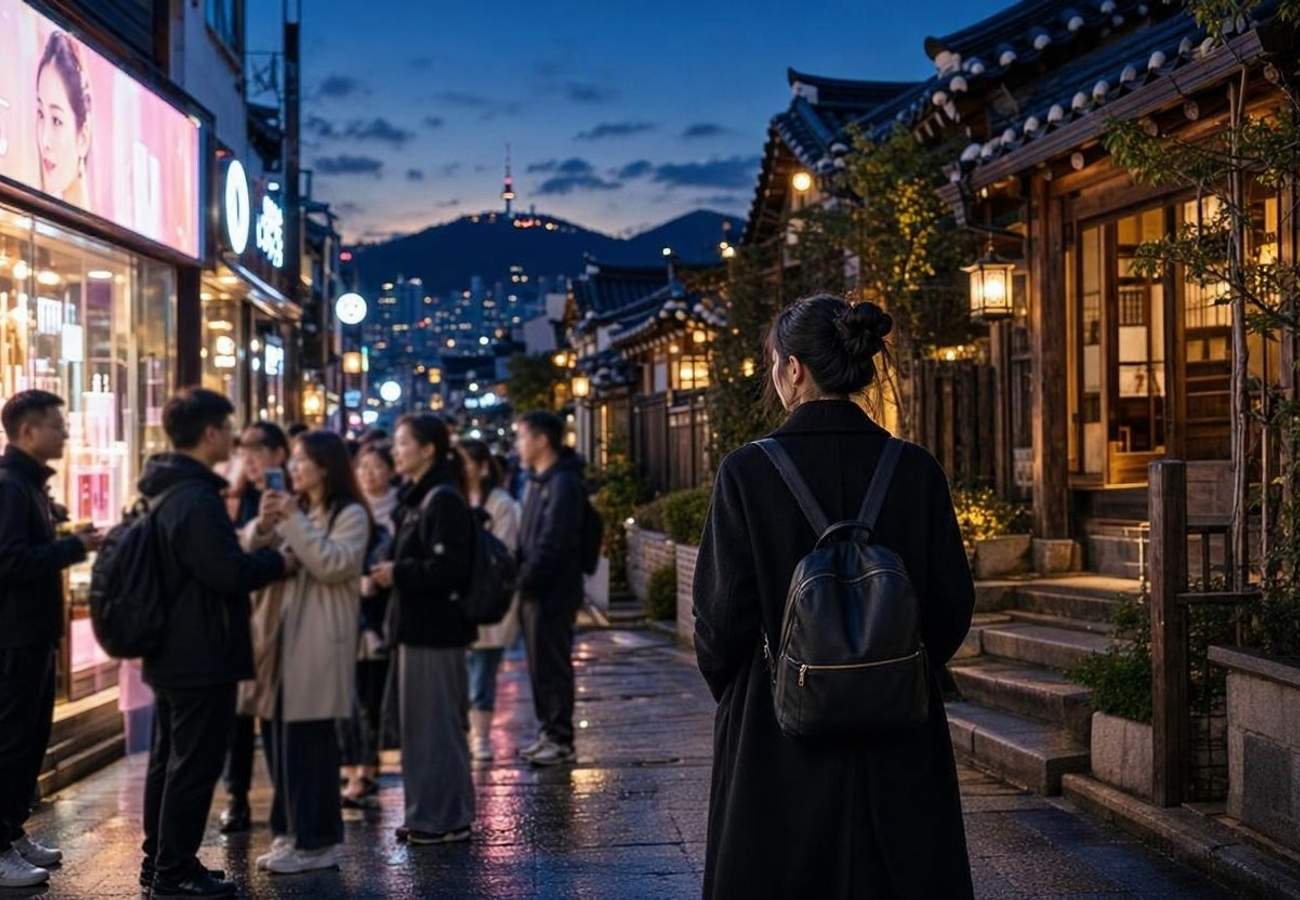
Image generated by AI
Flights from Beijing to Seoul have plummeted to as low as £35, but these prices are not a gift to the traveler—they are a symptom of a collapsing regional pricing model. What looks like a bargain is often a "zero-dollar tour," a predatory business structure where the traveler is not the customer, but the product being sold to commission-based retail outlets.
The Race to the Bottom in East Asian Tourism
A desperate survival instinct has gripped tour operators across China, leading to a pricing war that defies economic logic. To capture market share in an oversaturated environment, agencies are utilizing aggressive tactics, including lucky draws and deposits as low as RMB 199. This isn't about accessibility; it is a gamble on massive passenger volumes to offset the total evaporation of traditional profit margins.
The catalyst for this exodus is a perfect storm of policy and capacity. In the first nine months of 2026, 5.47 million travelers from mainland China visited South Korea, marking a 29.2% increase year-on-year. This surge was fueled by strategic visa-free entry policies and a massive oversupply of airline seats. Because an empty seat yields zero revenue, carriers are offloading capacity at wholesale rates, allowing aggregators to bundle flights and hotels into packages that cost less than a high-end dinner.
The Mechanics of the "Zero-Dollar" Model
For those tempted by a $45 international getaway, the reality is often a rigid, commercialized itinerary. Regulatory audits in Seoul indicate that over 70% of these ultra-low-cost tours mandate visits to commission-heavy shopping hubs.
Instead of exploring the UNESCO World Heritage sites or hidden alleys of Seoul, travelers are often steered toward four to six retail locations daily. These stops focus on high-margin goods like ginseng and cosmetics, where visitors spend an average of $350 to $500. The agency recovers its losses—and makes its profit—through the commissions paid by these vendors, effectively turning the tourist into an involuntary retail agent.
2026 Regional Travel Data Breakdown
| Metric | Value/Statistic | Context |
|---|---|---|
| Mainland Chinese Trips to S. Korea (Jan-Sept 2026) | 5.47 Million | 29.2% Year-on-Year Increase |
| Total International Arrivals to S. Korea (2026) | 14.2 Million | Peak Volume Strain |
| Gen Z/Millennial Share of Outbound Travel | >42% | Ages 20-35 driving budget demand |
| Solo Traveler Booking Increase | 34% | Year-on-Year growth via apps |
| Intra-Asian Seat Capacity Increase | 18.5% | Compared to pre-pandemic baselines |
| Average Load Factor Gap (Major Hubs) | 15% | Surplus of empty seats |
| Livestream Travel Voucher Sales (Summer 2026) | $12 Billion | Driven by Chinese e-commerce platforms |
| Per Capita Local Expenditure | -18% | Drop in spending despite higher volume |
Visitor Insider Tips
If you are planning a trip to South Korea in 2026, avoid the "too good to be true" group packages. To experience the country through a local lens, consider these strategies:
- Avoid the "Shopping Loop": If a tour price is below $100 for a multi-day trip, expect mandatory shopping. To avoid this, book independent travel via the Korea Tourism Organization.
- Neighborhood Base: Instead of staying in the tourist-heavy Myeong-dong area, look for boutique stays in Seongsu-dong (the "Brooklyn of Seoul") or Yeonnam-dong for a more authentic neighborhood feel.
- Transport Hack: Skip the tour bus. Use the T-money card for the seamless integration of Seoul's subway and bus systems, which are among the most efficient globally.
- Timing the Crowds: With arrivals hitting 14.2 million, avoid the peak summer window. Late October to early November offers the best balance of weather and manageable crowd levels at the palaces.
Cultural and Environmental Context
The influx of budget-driven mass tourism is creating a paradox: higher foot traffic but lower economic benefit for local merchants. The 18% drop in per capita expenditure suggests that the "volume over value" approach is backfiring. Local artisans and small-scale hospitality providers are being squeezed out by the large-scale commercial hubs that partner with zero-dollar tour operators.
Furthermore, the environmental strain on Jeju Island and Seoul's historic districts has reached a critical point. The shift toward "disposable" travel—driven by Gen Z's desire for rapid, social-media-ready getaways—threatens the preservation of the very cultural heritage that makes South Korea a premier destination.
FAQ: Visiting South Korea 2026
What is the best time to visit to avoid crowds? Avoid the summer peak and major Chinese holidays. The autumn window (October-November) provides stunning foliage and slightly lower congestion than the summer rush.
Are $45 group tours a scam? Not necessarily a scam, but they are "zero-dollar tours." The low price is subsidized by mandatory shopping stops where you will be pressured to spend significant amounts of money.
How do I get from Incheon Airport to Seoul city center? The AREX (Airport Railroad Express) is the fastest option, taking you directly to Seoul Station. For more flexibility, the airport limousine buses serve most major hotels.
Is South Korea safe for solo travelers? Yes, South Korea is exceptionally safe for solo travelers. With solo bookings up 34% in 2026, most cafes, restaurants, and hotels are increasingly catering to "hon-bap" (solo dining) culture.
True discovery cannot be bought at a clearance sale.
Related Travel Guides
This article is for informational purposes. Flight routes, passenger regulations, visa rules, and transit advisories are subject to change by airlines and aviation authorities. Readers are advised to verify schedules and travel documentation with relevant carriers and border agencies before departure.
Related Stories

Princess Cruises Announces Blue Friday 2026 Discounts: Up to 50% Off 2027 Global Sailings
Black Friday 2026 Travel Guide: How to Secure Early Airline, Hotel, and Cruise Discounts